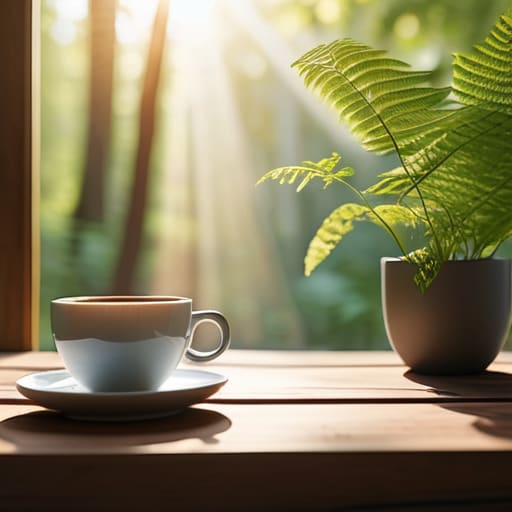
I remember sitting in a cramped site trailer back in ’94, the smell of damp concrete and stale coffee hanging heavy in the air while my phone buzzed incessantly with “urgent” updates from the home office. I was managing a bridge project that felt like it would never end, convinced that if I just pushed through one more late night, I’d finally earn the right to breathe. We’ve been sold this grand, complicated lie that worklife balance is something you achieve through expensive retreats or complex scheduling apps, when in reality, it’s usually just a matter of deciding what is actually worth your time.
I’m not here to give you a list of productivity hacks or tell you to “optimize your workflow” like some Silicon Valley guru. Instead, I want to share what thirty years of managing chaos and a few decades of slow travel have taught me about reclaiming your days. I’ll be sharing some plain-spoken, honest observations on how to stop letting your career swallow your sunlight, focusing instead on the small, vital habits that ensure you actually show up for your own life.
Table of Contents
Protecting Your Peace With Firm Remote Work Boundaries
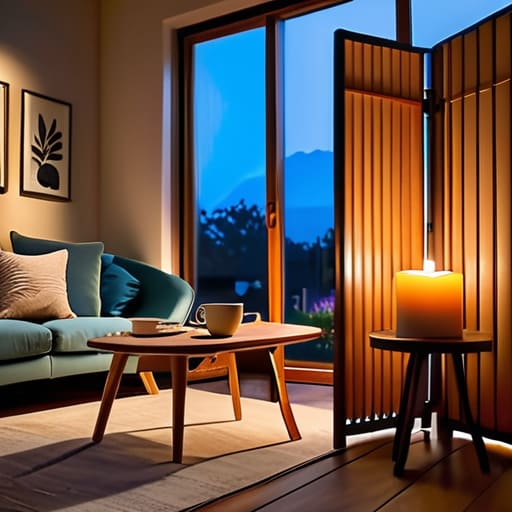
When I was managing construction sites, there was a clear line between the grit of the job and the quiet of my home. Nowadays, with so many of us working from our kitchen tables, that line has become a smudge. It’s easy to let the glow of a laptop screen bleed into your evening, but I’ve learned that without remote work boundaries, the house never truly feels like a sanctuary again. I make it a point to physically close the office door—even if it’s just a folding screen in the corner—to signal to my brain that the day is done.
It isn’t about being difficult; it’s about preserving your mental health at work and at home alike. I’ve noticed that if I don’t set a hard stop, I start to see the early signs of exhaustion creeping in. Instead of checking one last email at 8:00 PM, I reach for my leather notebook or my Leica. Setting these limits isn’t a sign of laziness; it is a vital part of a healthy productivity and rest cycle that keeps you from running on empty.
Decoding the Quiet Signs of Employee Burnout

In my years managing construction crews, I learned that a bridge doesn’t just snap; it groans and shifts long before the collapse. People are much the same. We often miss the early signs of employee burnout because they don’t look like a sudden breakdown. Instead, they show up as a subtle thinning of character. You might notice a once-vibrant colleague becoming uncharacteristically cynical, or perhaps that quiet, reliable team member starts retreating into a shell of silence during meetings. It’s a slow erosion of enthusiasm, often masked by a mask of “just staying busy.”
I’ve come to realize that this exhaustion isn’t just about hours clocked; it’s a fundamental disruption of the productivity and rest cycle. When the line between our living rooms and our offices vanishes, we lose the ability to truly decompress. You can see it in the way eyes glaze over during a video call or the way a person’s sense of humor seems to dry up. We have to look closer at these quiet shifts, because ignoring that initial fatigue is how we eventually lose the person to the grind.
Small Anchors to Keep You From Drifting Away
- Reclaim your lunch hour. I used to think eating at my desk made me more efficient, but all it did was make me feel like a cog in a machine. Now, I step away—even if it’s just to a park bench—to actually taste what I’m eating and look at the sky.
- Build a “transition ritual” to mark the end of the workday. When I was managing construction sites, the drive home was my buffer. If you work from home, try a short walk around the block or even just changing your clothes. It tells your brain the heavy lifting is done for the day.
- Learn the art of the “graceful no.” You don’t have to attend every meeting or answer every late-night email to prove your worth. A steady, reliable worker is much more valuable than one who is constantly running on empty.
- Put the digital world on a leash. Technology is a wonderful tool, but it’s a terrible master. Pick a time in the evening when the phone goes into a drawer, and don’t let the glow of a screen steal the quiet of your evening.
- Schedule your stillness. We schedule meetings and deadlines with precision, so why not schedule time for nothing at all? Put a block in your calendar for a long walk or a slow coffee. If it isn’t planned, the world will find a way to fill it with noise.
Finding Your Own Rhythm

Set hard stops for your workday, just like the way I set boundaries on a construction site; once the tools are down, the work stays behind.
Learn to listen to your body’s quiet signals, like the subtle wear on a camera lens, before a small problem becomes a total breakdown.
Prioritize the small, restorative rituals—a long walk or a slow meal—to remind yourself that you are more than just your output.
## The View from the Table
We spend our lives building structures meant to last for decades, yet we often forget to build a life that we actually want to live inside of. Don’t let the pursuit of more leave you with nothing left for the moments that actually matter.
Bernard Oyelaran
Finding Your Own Rhythm
At the end of the day, finding that equilibrium isn’t about mastering a complex productivity system or checking off a list of wellness apps. It’s about the practical, often difficult work of setting boundaries when you’re working from home and learning to recognize when your own spirit is starting to fray at the edges. We talked about the importance of protecting your time and the subtle, quiet ways burnout starts to settle in like a winter chill. It isn’t always a sudden crash; more often, it’s a slow erosion of joy. By staying mindful of these signals and guarding your personal space, you aren’t just being “efficient”—you are protecting the very essence of who you are outside of your job title.
As I sit here in this small café, watching the light shift across the cobblestones, I’m reminded that the world doesn’t stop turning just because we pause. In fact, it’s often when we stop running that we finally see the world for what it actually is. Don’t let the relentless pursuit of “more” rob you of the quiet beauty that exists in the present. Whether it’s a long walk through the park or a meal eaten without the distraction of a screen, make time for the things that make you feel human. After all, we aren’t here to simply finish our tasks; we are here to savor the journey along the way.
Frequently Asked Questions
How do you actually pull yourself away from the screen when you know there's still more work to be done?
I used to think finishing everything was the goal, but in engineering, there’s always one more bolt to tighten. Now, I use a physical ritual. When the clock hits a certain point, I close the laptop, put it in a drawer, and step outside. I grab my notebook and head for a walk. If the work is still there tomorrow, it’ll be fine. The sunset, however, won’t wait for your inbox.
Is it possible to maintain these boundaries if your boss or your team expects you to be available at all hours?
It’s a tough spot to be in, and I’ve seen many good people lose their spark trying to please a demanding boss. It isn’t always about saying a hard “no,” but about managing expectations early. I’ve found that being clear about your “offline” hours—and actually sticking to them—builds more respect than being a constant, exhausted shadow. If the culture demands constant availability, you aren’t just fighting for balance; you’re fighting for your soul.
How can I tell if I'm genuinely burnt out or if I just need a better routine?
It’s a fine line, isn’t it? If a weekend of good food and a long walk leaves you feeling recharged, you likely just need a better rhythm—a bit more structure to keep the chaos at bay. But if the idea of returning to your routine feels like a heavy weight on your chest, even after rest, that’s burnout talking. One is a lack of fuel; the other is a broken engine.
