I was sitting in a small bistro in Florence last autumn, watching the sunlight hit the cobblestones, when I realized I was staring at a menu like it was a complex blueprint for a bridge I couldn’t build. I wanted a simple bowl of pasta, but instead, I found myself navigating a minefield of hidden ingredients and overpriced, cardboard-tasting substitutes. There is this modern, exhausting idea that gluten free living has to be this high-maintenance, expensive lifestyle filled with specialized powders and fancy labels that cost more than a decent bottle of wine. It’s a lot of noise, and frankly, it’s exhausting.
I’m not here to sell you on any miracle grains or complicated dietary trends that require a chemistry degree to understand. My goal is much simpler: I want to show you how to navigate this change without losing the joy of a good meal. I’ll be sharing what I’ve learned through trial, error, and plenty of long walks to digest the lessons. We’re going to focus on real, honest food and the practical ways to enjoy life without the stress. It’s about finding the flavor in the quiet, simple moments, rather than getting lost in the hype.
Table of Contents
Savoring Naturally Gluten Free Grains and Earthy Textures
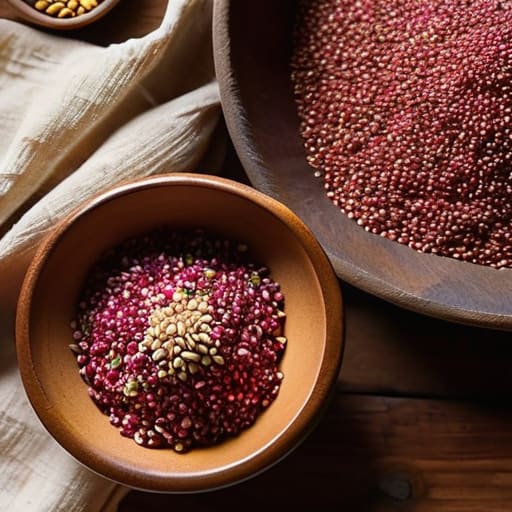
I’ve found that the easiest way to navigate this change is to stop looking for substitutes and start looking at what the earth actually provides. For years, I thought “gluten-free” meant hunting down expensive, processed breads that tasted like cardboard. But lately, my kitchen has become a sanctuary for naturally gluten free grains like quinoa, buckwheat, and wild rice. There is a profound, grounding satisfaction in the texture of a well-cooked bowl of millet or the nutty aroma of amaranth simmering on the stove. These aren’t mere replacements; they are the main event.
When I sit down to a meal, I try to focus on the weight of the grain on my spoon and the way it holds a sauce. It’s a far cry from the frantic pace of my engineering days. Instead of worrying about the hidden gluten in processed foods—which can feel like a constant, nagging shadow—I’ve shifted my focus toward building a collection of wholesome gluten free pantry staples. It’s much simpler this way. By leaning into these ancient, earthy textures, I’ve discovered that eating well isn’t about what you’re missing, but about the richness of what you finally have time to taste.
The Gentle Path to Improving Digestion Without Gluten
I’ve found that when I stopped treating my diet like a construction project that needed immediate, rigid results, my body finally started to listen. For many of us, especially those navigating the complexities of celiac disease management, the transition can feel like an uphill battle against inflammation. But I’ve learned that it isn’t about a sudden overhaul; it’s about listening to the subtle cues your gut gives you. Often, the real magic happens when we focus on improving digestion without gluten by simply returning to whole, unadulterated foods that don’t require a chemistry degree to understand.
It helps to approach the kitchen with a sense of curiosity rather than fear. Instead of scanning every label with a furrowed brow, I’ve started building a reliable collection of gluten free pantry staples—things like dried lentils, quinoa, and real, stone-ground cornmeal. These are the building blocks that allow for a steady, predictable rhythm in my daily routine. When you stop chasing the convenience of pre-packaged goods, you stop accidentally inviting hidden gluten in processed foods to the table, and your system begins to find its natural, quiet equilibrium once again.
Small Adjustments for a Gentler Way of Eating
- Don’t go looking for “replacements” right away. When I first started, I spent too much time hunting for processed gluten-free breads that tasted like cardboard. Instead, I found much more joy in returning to the basics—potatoes, rice, and corn—the kind of real food that doesn’t need a label to tell you it’s good.
- Learn to read the fine print, but don’t let it stress you out. I keep my little leather notebook handy to jot down ingredients that tripped me up at the market. It’s not about being paranoid; it’s just about being mindful of what’s actually going into your body.
- Make your kitchen a sanctuary of simple ingredients. I’ve found that if I keep a good stock of lentils, quinoa, and fresh herbs on hand, I never feel like I’m “missing” anything. Cooking becomes less about following a strict rulebook and more about the quiet joy of preparing something wholesome.
- Listen to your own rhythm. Some days, a certain meal might still feel a bit heavy, and that’s alright. There’s no need to rush the process or judge yourself. Just take note of how you feel after you eat and let your body guide your next meal.
- Embrace the social side of dining. Transitioning to gluten-free can feel lonely if you focus only on what you can’t have. I’ve learned to focus on the company and the conversation, often suggesting simple, naturally gluten-free dishes when meeting friends so that the meal remains a shared experience rather than a chore.
Small Lessons from a Simpler Plate
Don’t view a gluten-free diet as a list of things you’ve lost, but rather as an invitation to rediscover the honest, earthy flavors of grains like quinoa and buckwheat.
Focus on how your body actually feels after a meal; listening to your digestion is much more important than following a rigid, complicated rulebook.
Use the extra time you spend prepping real, whole foods as a chance to slow down, breathe, and actually enjoy the process of nourishing yourself.
Finding the Flavor in the Shift
Moving away from gluten isn’t about what you’re losing on your plate; it’s about finally having the time to notice the honest, earthy flavors of the ingredients that have been there all along.
Bernard Oyelaran
Finding Your Rhythm
As I look back on everything we’ve discussed, it’s clear that transitioning to a gluten-free way of life isn’t about what you’re taking away from the table, but what you’re finally making room for. We’ve talked about leaning into the hearty, honest textures of ancient grains and listening to your body’s subtle cues to find a more gentle digestive rhythm. It isn’t about perfection or following a rigid set of rules that leaves you feeling deprived. Instead, it’s about the deliberate choice to prioritize ingredients that make you feel steady and strong, allowing you to focus on nourishment rather than just consumption.
At the end of the day, whether you are navigating a new grocery aisle or experimenting with a recipe in your own kitchen, remember that this is a journey, not a sprint. There will be days when things feel complicated, but try not to let the logistics overshadow the joy of the meal itself. I’ve learned through my years of engineering—and even more so through my years of traveling—that the most beautiful structures are built one careful step at a time. So, take a breath, sit down, and savor the moment. Life is far too short to rush through a meal that was meant to be truly enjoyed.
Frequently Asked Questions
How do I find satisfying, hearty meals that don't feel like I'm just eating a bowl of salad?
I used to think “healthy” meant eating like a rabbit, but that’s a quick way to feel hollow. The trick is looking for substance. I’ve found my comfort in slow-cooked stews made with root vegetables, or a thick risotto using arborio rice—it’s creamy and holds you up. Don’t be afraid of fats, either. A bit of good olive oil or some roasted squash makes a meal feel like a proper event, not just a snack.
Are there certain old-fashioned, whole foods I should look for that are naturally gluten-free without all the fancy packaging?
I’ve always found that the best things don’t come in bright, crinkly plastic bags. If you skip the “specialty” aisles, you’ll find plenty of goodness in the basic bins. Look for things like dried lentils, chickpeas, or even a good bag of jasmine rice. Potatoes, sweet potatoes, and oats—provided they’re certified—are old friends that never let you down. It’s simpler this way, and much kinder to the pocketbook, too.
How do I manage the social side of things, like dining out with friends, without feeling like I'm making a fuss?
I used to worry about being “that guy” at the table, the one making a scene over a menu. But I’ve learned that most people are just happy to see you. I’ve found that a quick, quiet word to the server before the group settles in works wonders. It’s not about making a fuss; it’s just being clear. Focus on the company and the conversation—the food is just the backdrop to the connection.
