
I remember sitting on a rusted bench in a tiny village outside of Lucca last autumn, the smell of woodsmoke and espresso hanging heavy in the air, while a group of tourists just fifty yards away were frantically checking their phones for the “top-rated” hidden gem. It struck me then that most people treat travel like a checklist to be completed rather than a life to be lived. They spend so much time chasing the same polished, Instagrammed landmarks that they completely miss the magic of wandering off the beaten path simply because they’re afraid of getting a little lost. To me, the real soul of a place isn’t found in a guidebook; it’s found in the quiet, unscripted moments that happen when you stop following the crowd.
I’m not here to sell you on some expensive, curated “secret” tour or a list of destinations that are just trendy enough to be crowded. Instead, I want to share the kind of honest, practical wisdom I’ve gathered from years of slow travel and even more years of watching how things are built. I’ll show you how to find those genuine connections—the kind found in a roadside diner or a dusty local market—where the coffee is hot, the people are kind, and the world finally feels still.
Table of Contents
Seeking Authentic Travel Experiences in Quiet Corners
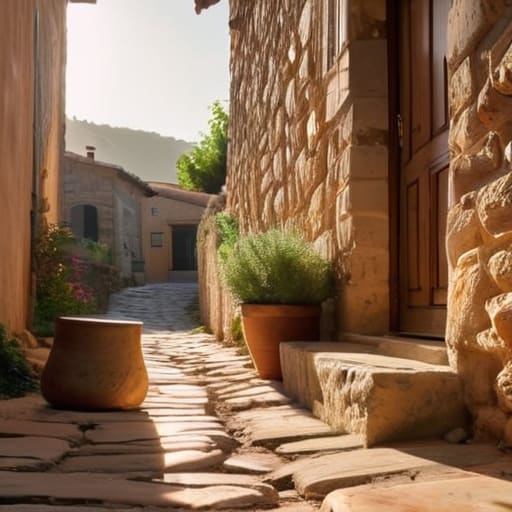
I’ve found that the most meaningful moments rarely happen in front of a famous monument or a velvet rope. Instead, they happen when you wander into a village where the language sounds like music and the only “attraction” is a centuries-old bakery. For me, finding authentic travel experiences means letting go of the rigid schedule and following the scent of woodsmoke or the sound of a local market. It’s about the willingness to get a little lost, perhaps even a bit dusty, in exchange for a conversation with a shopkeeper who has no interest in selling you a souvenir.
When I’m planning my routes, I try to steer clear of the heavy crowds. Avoiding tourist traps isn’t just about saving money; it’s about preserving the soul of a place. I prefer to look for those small, underrated corners where the pace of life hasn’t been accelerated by a tour bus. There is a certain dignity in sustainable slow travel—the idea that we should move through a landscape like guests, not consumers. I’d much rather spend an afternoon sketching a crumbling stone wall in a quiet courtyard than standing in a two-hour line for a photo op.
The Gentle Art of Avoiding Tourist Traps
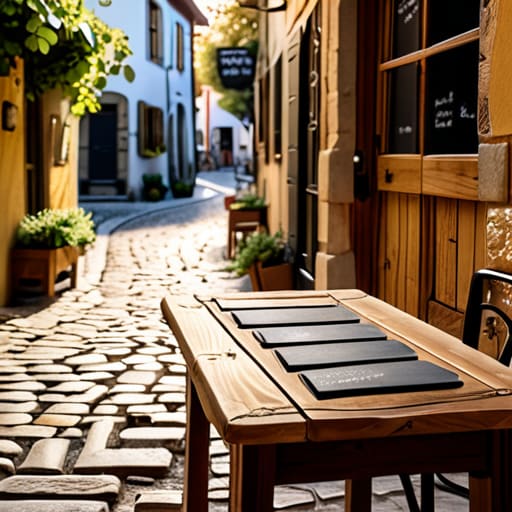
I’ve learned over the years that the most expensive menus are rarely the most memorable. There is a certain predictable pattern to the places that cater solely to the masses—brightly colored signs, overly polished service, and prices that feel more like a penalty than a fair trade. To me, avoiding tourist traps isn’t about being difficult; it’s about having the patience to walk three blocks further down a side street, past the souvenir stalls, to find that little bistro where the menu is handwritten and the owner knows exactly how much salt goes in the soup.
When I’m planning my trips, I try to steer clear of those rigid, high-speed tours that check boxes like they’re completing a construction checklist. Instead, I look for underrated travel destinations where the rhythm of life hasn’t been bent to accommodate a tour bus schedule. I’ve found that the real magic happens when you stop following the crowds and start following your senses. If a place smells like real spices and sounds like local conversation rather than a loudspeaker, you’ve likely found something worth your time.
A Few Lessons Learned from the Slow Lane
- Put the GPS away for an hour. There is a particular kind of magic that happens when you take a wrong turn and end up stumbling upon a roadside fruit stand or a view that isn’t on any postcard. Let yourself get a little lost; it’s usually where the real stories begin.
- Look for the “locals only” signs, even if they aren’t written down. If you see a small cafe where the menu is handwritten and the patrons are nursing coffee for hours, pull up a chair. That’s where you’ll find the heartbeat of a place, not in the gift shops.
- Pack a notebook and a decent pen. I’ve found that when you stop moving to sketch a crumbling stone wall or jot down the name of a local baker, you notice the textures and scents that everyone else is rushing past. It forces you to be present.
- Travel with a lighter load and a heavier appetite. When you aren’t lugging around unnecessary gear, you have more freedom to wander. And please, leave room in your schedule for a long, lingering lunch. A meal shouldn’t be a checkbox; it should be the centerpiece of your day.
- Listen more than you speak. Whether it’s a shopkeeper in a sleepy village or a fellow traveler on a train, people are often happy to share the secrets of their home if you approach them with genuine curiosity and a bit of patience.
Lessons from the Slow Road
Trade the guidebook for a local’s recommendation; the best meals are often found in the places without a neon sign or a printed menu in English.
Embrace the detour; some of my most memorable views haven’t come from a scheduled tour, but from taking a wrong turn on a quiet backroad.
Pack light and linger long; when you aren’t rushing to catch the next bus, you finally have the space to notice the way the light hits a stone wall or the smell of rain on hot pavement.
The View from the Side Roads
“The real soul of a place isn’t found in the postcard view everyone is jostling to photograph; it’s tucked away in the quiet alleyways and the steam rising from a roadside diner, where the world finally stops rushing and begins to breathe.”
Bernard Oyelaran
The View From the Quiet Side
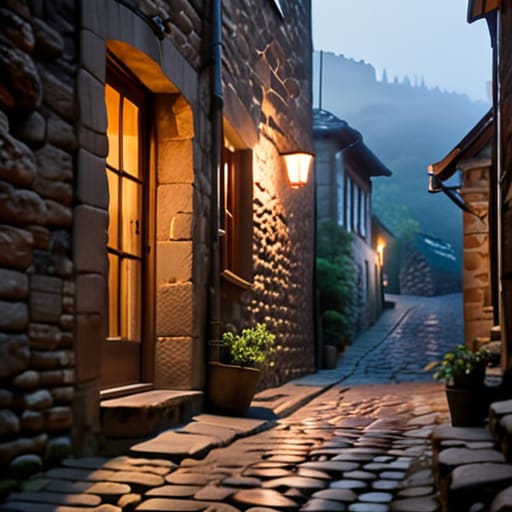
At the end of the day, finding those off the beaten path gems isn’t about being a pioneer or checking a difficult destination off a list. It’s really about the simple choice to step away from the noise. Whether it’s navigating a local market without a guidebook or choosing that tiny, nameless bistro over a flashy tourist hub, you are reclaiming your time. We’ve spent so much of our lives rushing toward the next milestone, but the real magic happens when we stop trying to see everything and start trying to actually see something. It’s in those quiet, unscripted moments—the smell of woodsmoke in a mountain village or the steady rhythm of a coastal walk—where the true soul of a place reveals itself.
As I sit here in this little cafe, sketching the way the afternoon light hits the cobblestones, I’m reminded that the best journeys don’t require a compass, just a bit of patience. Don’t be afraid to get a little lost or to let your plans wander as much as you do. The world is far too big and far too beautiful to spend it all standing in line. So, next time you find yourself at a crossroads, I hope you choose the path that looks a little more dusty and uncertain. That is usually where the best stories, and the best meals, are waiting to be found.
Frequently Asked Questions
How do you balance the desire to find quiet, untouched places with the practical need for decent amenities like a warm bed or a clean restroom?
It’s a delicate dance, isn’t it? I’ve learned that you don’t have to choose between isolation and discomfort. I usually look for those small, family-run guesthouses—the kind that don’t show up on fancy booking sites but have a heavy iron key and a very clean bathroom. I aim for the “middle ground”: far enough from the crowds to hear the birds, but close enough to a village where the bread is fresh and the sheets are crisp.
When you're venturing into these smaller towns or rural areas, how do you navigate the language barrier or cultural differences without feeling like an intruder?
It’s a valid worry, but I’ve found that a little humility goes further than a translation app. I always start with a smile and a few basic words in their tongue—even if my pronunciation is clumsy. I try to listen more than I speak. Usually, if you show genuine interest in their way of life, whether it’s how they brew their coffee or the history of a local landmark, people open up. You aren’t an intruder; you’re just a guest.
Is there a point where "off the beaten path" becomes too isolated, and how do you decide when it's time to head back toward something more familiar?
I’ve certainly found myself there—sitting in a village where the language feels like a wall and the silence is a bit too heavy. For me, the line is drawn at comfort, not convenience. If I’m no longer observing the world with curiosity, but instead feeling a sense of dread about my next meal or finding a safe place to sleep, it’s time to turn back. I seek solitude, not loneliness.
