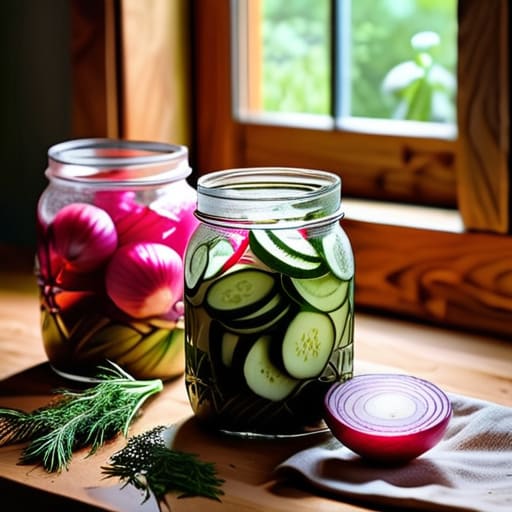
I remember sitting in my workshop last Tuesday, the smell of old machine oil and cedar hanging heavy in the air, when I caught a whiff of something sharp and tangy drifting from the kitchen. It was a jar of sauerkraut I’d started weeks ago, and that specific, acidic brightness hit me harder than a shot of espresso. Most people think fermentation at home requires a laboratory-grade setup or a collection of expensive, sterilized glass vessels that cost more than a decent lunch. They see these polished, high-tech videos online and think they’ve missed the boat if they don’t have a digital pH meter or a temperature-controlled incubator. But honestly? All that fancy gear is just noise.
I’m not here to sell you on a lifestyle of complicated science experiments or overpriced kitchen gadgets. My goal is to show you that the real magic happens in the quiet, messy spaces between the steps. I want to share what I’ve learned from years of trial, error, and the occasional jar that went a bit sideways, focusing on the simple, steady rhythm of letting nature do the heavy lifting. We’re going to strip away the hype and get back to the basics of finding patience in a jar.
Table of Contents
Nurturing a Wild Yeast Starter With Patient Hands
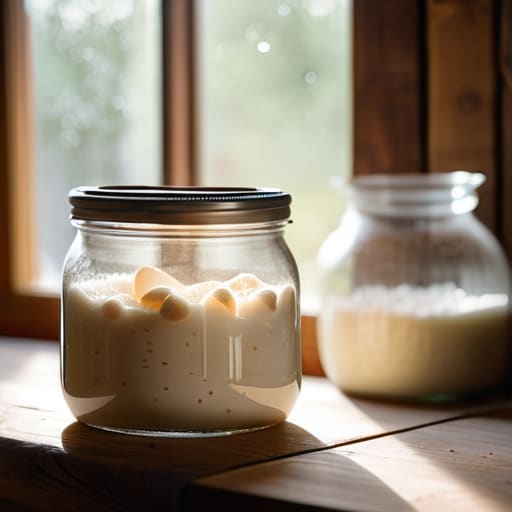
Starting a wild yeast starter is a bit like tending to a small, living garden right on your kitchen counter. I remember my first attempt; I was far too impatient, checking the jar every hour as if my sheer willpower could force the bubbles to appear. But nature doesn’t work on a project manager’s schedule. You simply mix your flour and water, find a quiet corner away from direct sunlight, and wait. It’s a lesson in humility, really. You aren’t just making bread; you are inviting the invisible life of the air into your home.
As the days pass, you’ll notice a faint, tangy scent beginning to rise—a sign that the microorganisms are settling in. This is where the real magic happens. You’ll see tiny, rhythmic gasps of activity that signal a healthy wild yeast starter is taking hold. I like to sit with my notebook during these early stages, watching how the texture shifts from a thick paste to something more aerated and alive. It requires very little specialized fermentation equipment for beginners—just a clean glass jar and a steady hand—but it asks for something much more valuable: your undivided attention.
The Quiet Art of Natural Preservation Methods
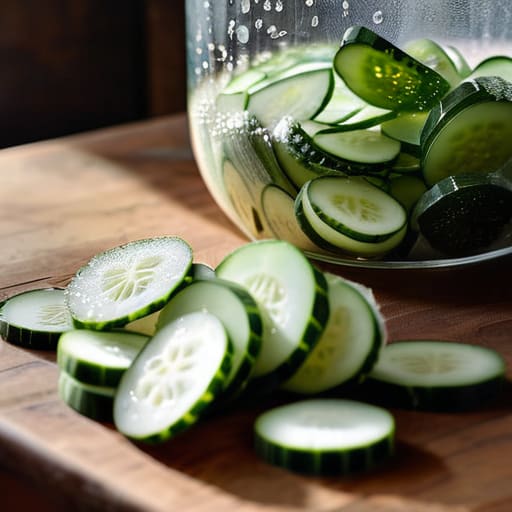
Once I moved past the initial excitement of keeping a sourdough culture alive, I found myself drawn to the simpler, more rhythmic side of the kitchen: the salt and the brine. There is something deeply grounding about natural preservation methods that don’t require fancy gadgets or high-tech sensors. I usually just reach for a heavy glass jar and a handful of sea salt. Watching a pile of sliced cucumbers or shredded cabbage transform into something tangy and bright is a lesson in patience. It reminds me of the way a landscape changes through the seasons—slow, steady, and entirely out of our hands.
As the days pass, you start to see the magic of the lacto-fermentation process taking hold. Tiny bubbles rise to the surface, a sign that the invisible work is being done. It isn’t just about keeping food from spoiling; it’s about inviting life into the jar. These probiotic rich foods do more than just add a sharp crunch to a midday meal; they feel like a quiet gift to my own well-being. In a world that demands instant results, there is a profound peace in sitting by the window, watching a jar ripen, and knowing that some things simply cannot be rushed.
A Few Lessons Learned from the Bubbles
- Don’t let the clock dictate your progress; fermentation isn’t a deadline, it’s a conversation between you and the microbes, and sometimes they need an extra day or two to find their rhythm.
- Trust your senses over a recipe book, because a jar of sauerkraut should smell like a crisp autumn morning, not something that’s gone sour in a way that makes you wince.
- Keep your workspace clean, not with the frantic energy of a surgical suite, but with the steady, mindful care of a man cleaning a delicate Leica lens.
- Temperature is everything, so find a quiet corner of your kitchen that stays steady—avoid the chaos of the stovetop or the drafty window where the world moves too fast.
- Embrace the little failures, because a jar that doesn’t quite bubble the way you expected isn’t a mistake, it’s just a lesson in what your specific kitchen environment prefers.
Lessons from the Jar
Respect the clock, not the calendar; fermentation doesn’t care about your schedule, so learn to work at the pace of the bubbles rather than the pace of your phone.
Embrace the imperfections, because a slightly irregular crust or a tangy undertone is simply the signature of a living, breathing process that can’t be replicated by a machine.
Keep your senses sharp and your hands steady, paying more attention to the smell of the brine and the texture of the jar than any rigid recipe might tell you.
The Rhythm of the Jar
Fermentation isn’t something you control with a stopwatch or a blueprint; it’s a conversation between you and the invisible world, a quiet lesson in the fact that the best things in life require nothing more than your patience and a little bit of stillness.
Bernard Oyelaran
The Quiet Reward of the Jar
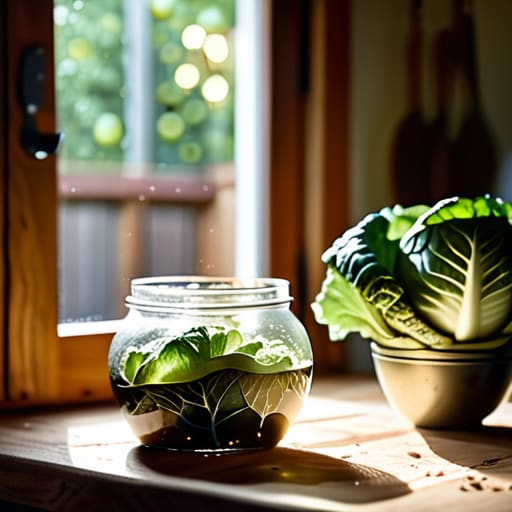
Looking back at the process, it’s easy to see that fermentation is far more than just a way to keep vegetables from spoiling. It’s a partnership between your hands and the invisible life moving within the brine. Whether you are carefully feeding that wild yeast starter or watching the slow, rhythmic transformation of a jar of sauerkraut, you are participating in a tradition as old as time itself. It requires a bit of patience and a willingness to let go of the need for instant gratification, but the payoff—that complex, tangy flavor that no factory can replicate—is well worth the wait. We’ve covered the technicalities of the yeast and the methods of preservation, but the real lesson is in the steady rhythm of the craft.
As I sit here in this small cafe, sketching the light hitting a nearby stone wall, I’m reminded that the best things in life rarely happen in a hurry. Fermentation teaches us that there is a profound, quiet magic in simply allowing things to be. It’s a nudge to step away from the digital noise and reconnect with the natural pace of the world. So, don’t be discouraged if your first batch isn’t perfect or if the bubbles seem a little slow to rise. Just keep watching, keep tasting, and remember that the beauty is in the process.
Frequently Asked Questions
How do I know if my ferment has gone truly bad versus just developing a strange smell or color?
It’s a common worry, especially when you’re first starting out. Trust your nose, but more importantly, trust your eyes. A funky, sour scent is often just the character of the process. However, if you see fuzzy mold—especially black, pink, or bright orange—or if the jar smells like something’s gone truly rotten, don’t hesitate. Toss it. It’s better to lose a jar than to risk your health. Just start again, more carefully this time.
Are there certain types of containers I should avoid using, especially if I'm working with more acidic ferments?
When it comes to the vessels we use, I’ve learned the hard way to steer clear of anything reactive. Avoid those cheap plastic containers or aluminum pots; the acidity in a good ferment can leach chemicals right into your food, which ruins the flavor and isn’t good for you. Stick to heavy glass or high-quality stoneware. There’s something grounding about the weight of a ceramic crock in your hands—it feels right for the slow work ahead.
Do I need to keep my jars in a dark corner, or can they sit out on the kitchen counter where I can keep an eye on them?
You can certainly leave them right there on the counter. In fact, I prefer it that way. There’s a certain comfort in seeing those tiny bubbles working their way up through the brine while I’m making my morning coffee. Just keep them out of the direct, harsh sunlight—a bright spot is fine, but intense heat can make things move a bit too fast. I like to keep mine where I can watch the progress.
