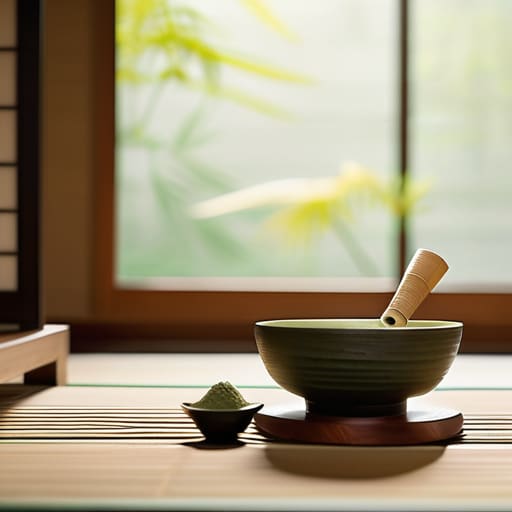
I remember sitting in a cramped, overly polished tea house in Kyoto last spring, feeling more like I was participating in a high-stakes engineering inspection than a moment of peace. Everyone around me seemed terrified of making a wrong move, treating the japanese tea ceremony as if it were some rigid, unbreakable set of laws rather than a way to connect. There’s a lot of nonsense out there claiming you need to master ancient, complex etiquette just to appreciate a bowl of matcha, but frankly, that’s just noise. To me, the ceremony isn’t about performing for an audience; it’s about the way the steam hits your face when the world outside finally goes quiet.
I’m not here to give you a lecture on dusty traditions or tell you how much a formal set should cost. Instead, I want to share what I’ve learned about finding the actual soul of the experience—the parts that involve slowing your heart rate and noticing the texture of the ceramic in your hands. I’ll walk you through the honest, unpretentious side of the japanese tea ceremony, focusing on how you can use it to find a bit of stillness in your own busy life.
Table of Contents
Tracing the Chanoyu History and Philosophy
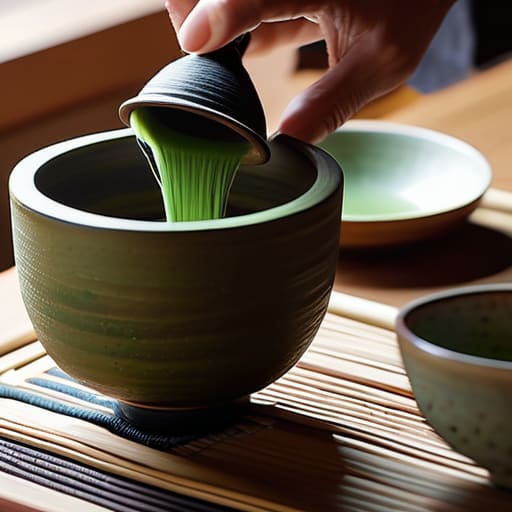
I sat there for a long while, watching the host’s movements, thinking about how much weight a single gesture can carry. It struck me that what we were witnessing wasn’t just a way to serve a drink, but a living map of chanoyu history and philosophy. It began centuries ago, evolving from simple medicinal roots into a deeply spiritual practice shaped by Zen Buddhism. It’s less about the caffeine and more about the intention behind the pour.
As I looked around the small, dim space, I noticed how every element felt deliberate. The sparse decorations and the weathered texture of the walls weren’t accidental; they were a masterclass in wabi-sabi principles in tea, finding profound beauty in the imperfect and the aged. There is something incredibly grounding about that mindset. In my engineering days, we always chased the pristine and the perfect, but here, the cracks in a ceramic bowl or the unevenness of a stone path tell a much richer story. It reminds me that there is a certain dignity in things that have weathered the seasons.
Finding Mindfulness in Tea Preparation
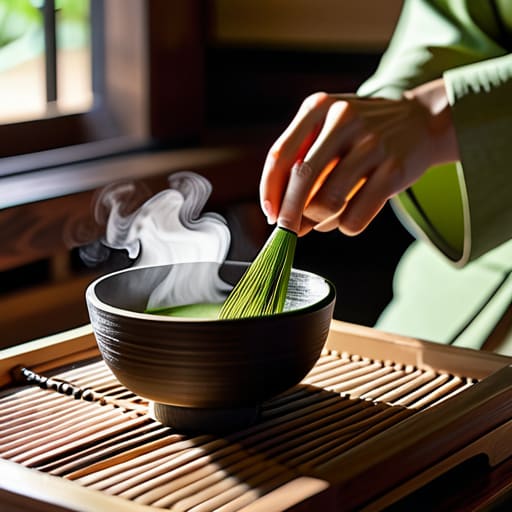
Watching the host move is a bit like watching a well-oiled machine, though far more graceful than the heavy machinery I used to manage back in the day. There is a deliberate rhythm to every gesture, a way of tea etiquette that demands your full attention without ever feeling stiff. As I sat there, I found my eyes drifting to the way the light hit the steam, realizing that mindfulness in tea preparation isn’t about perfection, but about being entirely present in the movement.
I found myself particularly drawn to the chawan tea bowl importance during the service. It wasn’t just a vessel; it was a piece of art that felt alive in the hands of the host. The bowl possessed a certain ruggedness, a nod to the wabi-sabi principles in tea that celebrate the beauty of things imperfect and weathered. It reminded me of my old Leica cameras—the scratches and the worn leather tell a better story than anything brand new ever could. In that small, quiet space, the world outside simply ceased to matter.
Small Ways to Carry the Spirit of Tea Into Your Own Day
- Don’t rush the preparation. Even if you aren’t whisking matcha in a formal tea room, take an extra minute to watch the water boil or feel the weight of your favorite ceramic mug. The magic is in the transition, not just the drink.
- Notice the vessel in your hands. I’ve spent years tinkering with the mechanical precision of old cameras, but there is a different kind of beauty in a tea bowl that is slightly uneven or textured. Appreciate the craftsmanship and the way it fits your palm.
- Practice the art of silence. We live in a world that is constantly shouting at us through screens and notifications. When you sit down with your tea, try to let the world fade into the background for just ten minutes. Let the silence be a guest at your table.
- Pay attention to the seasons. A tea ceremony is deeply tied to the time of year. Try to match your tea ritual to the world outside—perhaps a lighter, more floral scent in the spring, or a heavier, more grounding brew when the autumn wind starts to bite.
- Be fully present with your company. If you are sharing tea with a friend, put the phone away. Look at them, listen to the cadence of their voice, and treat the conversation with the same reverence you would give the tea itself.
Lessons from the Tea Bowl
It isn’t about the perfection of the ritual, but the presence you bring to it; the goal is to be entirely where your feet are.
True beauty often lives in the “wabi-sabi”—the cracks, the uneven glaze, and the weathered edges of the tools we use every day.
Slowing down to prepare something simple, like a bowl of tea, serves as a necessary anchor in a world that constantly asks us to hurry.
A Lesson in the Slow Pour
“I’ve spent most of my life looking at blueprints and deadlines, always racing toward the finished structure. But sitting there, watching the steady, deliberate rhythm of the tea master, I realized that the real beauty isn’t in the destination—it’s in the quiet, careful way we hold the moment before it slips away.”
Bernard Oyelaran
Taking the Stillness Home
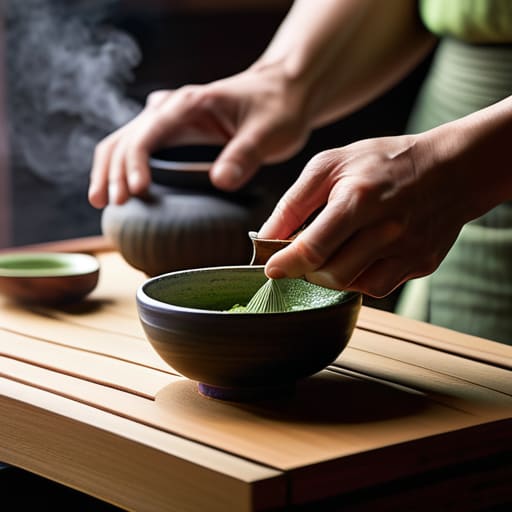
As I sat there, watching the last traces of steam vanish into the air, I realized that the tea ceremony isn’t just about the powdered matcha or the precision of the movements. It’s a culmination of centuries of philosophy—a way to bridge the gap between the frantic energy of the world and the quiet sanctuary of the present moment. We’ve looked at the deep roots of Chanoyu and the meditative rhythm of its preparation, but the true essence lies in the realization that every gesture matters. Whether it is the way a bowl is turned or the silence between two breaths, these small details are what ground us when everything else feels like it’s spinning out of control.
I often find myself thinking about how we can carry this spirit back into our own messy, unscripted lives. You don’t need a dedicated tea room or a set of heirloom ceramics to find your own version of this peace. You can find it in the way you hold your morning coffee, or in the deliberate way you listen to a friend. My advice, if I can offer any, is to seek out your own small rituals. Life is far too short to spend it rushing from one task to the next without ever looking up. Slow down, take a breath, and savor the view.
Frequently Asked Questions
If I’m just a visitor sitting in on a ceremony, is there a specific way I should be sitting or behaving so I don't disrupt the quiet?
Don’t fret too much about being perfect; the hosts generally appreciate the effort of a guest more than flawless technique. If you can, try to sit in the seiza position—kneeling with your tops of your feet flat on the floor—but if your legs go numb, just shift slightly. Most importantly, keep your movements deliberate and your voice low. Think of it like sketching in my notebook; it’s about being present and respectful of the silence.
Do I need to know how to whisk the matcha myself, or is it more about the experience of watching the host work?
To be honest, I spent my career worrying about how things were built, so I naturally wanted to know the mechanics. But sitting there, I realized it’s not about the technique—it’s about the rhythm. You don’t need to master the whisk to appreciate the grace of the movement. For me, the real magic lies in being a quiet observer, letting the host’s steady hands guide your own sense of calm.
Are there certain types of sweets or seasonal treats I should look out for to better understand the ceremony's connection to the time of year?
You’ll want to keep an eye out for wagashi. These aren’t just sweets; they are tiny, edible snapshots of the seasons. In spring, you might see delicate cherry blossom shapes; in autumn, perhaps a maple leaf rendered in sweet bean paste. They are designed to balance the bitterness of the matcha. To me, seeing a seasonal treat on the tray is like seeing the first sign of fall in the trees—it grounds you right in the moment.
