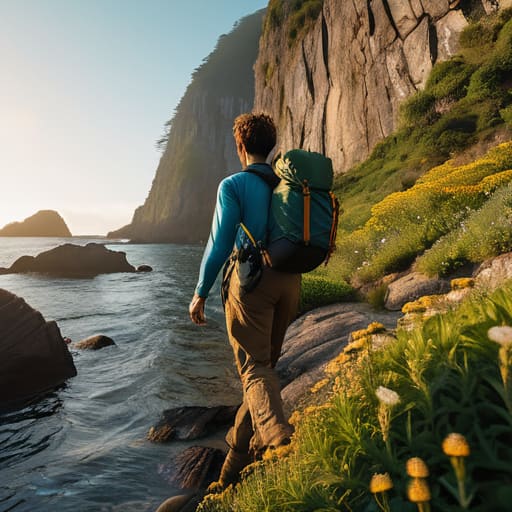
I was sitting in a crowded terminal last Tuesday, watching people scramble through security like they were competing in a sprint, and I couldn’t help but scoff at the glossy brochures nearby. They make eco friendly travel sound like some expensive, high-tech luxury—something you can only achieve if you buy a thousand-dollar bamboo suitcase or stay in a boutique resort that charges a premium for “green” labels. To my way of thinking, that’s all just marketing noise designed to make you feel guilty if you aren’t spending a fortune.
I’m not here to sell you on some complicated lifestyle overhaul or a list of overpriced gadgets. Instead, I want to share what I’ve learned from years of navigating the world with nothing more than a sturdy pair of boots and a sense of curiosity. I’ll be offering some plain-spoken, practical ways to see the world while leaving it exactly as you found it. We’re going to focus on the small, meaningful choices—the kind that actually matter—so you can spend less time worrying about your footprint and more time actually enjoying the view.
Table of Contents
Low Impact Travel Tips for a Quieter Journey

I’ve found that the best way to reduce my own impact isn’t through grand gestures, but through the small, intentional choices we make before we even leave the driveway. I always start by putting together a thoughtful eco-conscious packing list, opting for durable, multi-purpose items rather than a suitcase full of “just in case” gadgets. It keeps the weight down and the clutter to a minimum. I also try to look for sustainable accommodation options—those small, family-run guesthouses or inns that seem to care more about the local soil and community than a standardized corporate checklist.
When it comes to getting around, I’ve learned to embrace the delay. Instead of catching every short-haul flight, I prefer the rhythm of a train or even a long, winding drive where I can actually see the topography changing. It’s a simple way to focus on carbon footprint reduction travel without feeling like I’m missing out. In fact, it’s often in those slow transitions—the quiet stretches between destinations—where I find the most room to sit with my notebook and truly observe the world passing by.
Finding Peace in Sustainable Accommodation Options

When I was managing construction sites, I learned early on that the foundation of any lasting structure is how well it respects the ground it sits on. I’ve found that same principle applies to where we lay our heads at night. Instead of reaching for the sterile, predictable comfort of a massive hotel chain, I’ve begun seeking out sustainable accommodation options that feel more like a guest house in a friend’s home. There is a profound difference between a room that simply exists and a space that breathes with its surroundings—perhaps a small lodge powered by the sun or a family-run inn that sources its breakfast from the garden just outside the window.
Choosing these smaller, more intentional stays is a vital part of regenerative travel practices. It isn’t just about using fewer towels; it’s about ensuring our presence leaves a place a little more vibrant than we found it. I recently stayed at a small cottage where the owner spent the afternoon showing me how they managed their water runoff. It reminded me that when we choose to stay small, we aren’t just reducing our impact; we are actually participating in the local rhythm of life.
A Few Small Ways to Tread Lightly
- Pack light, and I mean truly light. I’ve learned the hard way that every extra pound in a rucksack is just more energy wasted. Stick to the essentials—a good pair of walking shoes, a sturdy notebook, and a few versatile layers. It makes the transit smoother and the burden lighter on both you and the world.
- Eat where the locals eat, and try to follow the seasons. There’s a certain honesty in a meal grown in the soil you’re currently standing on. I find that skipping the big international chains in favor of a small, family-run bistro not only supports the community but usually results in a much more memorable flavor.
- Leave the plastic water bottles behind. I always carry a single, well-worn stainless steel flask. It’s one less piece of clutter to manage, and there’s a quiet satisfaction in knowing you aren’t contributing to the sea of plastic that tends to pile up in tourist hubs.
- Choose the scenic route over the fastest one. A train ride through the countryside or a slow ferry across a bay offers a perspective that a quick flight simply can’t match. It gives you time to actually see the places you’re passing through, rather than just seeing them as a blur through a pressurized window.
- Respect the silence of the places you visit. Whether it’s a quiet forest trail or a cobblestone street in an old village, try to move through it with a sense of reverence. When we lower our volume, we tend to notice much more—the way the light hits a stone wall or the specific song of a local bird.
A Few Small Reminders for the Road
Don’t be afraid to trade the fast lane for the scenic route; taking a train or a local bus isn’t just better for the earth, it gives you a much-needed chance to actually see where you are.
Look for the small, family-run inns and local guesthouses instead of the big chains, as they tend to respect the land and the local spirit a whole lot more.
Pack light and bring what you can reuse, because the less clutter we carry, the more room we have in our minds to simply appreciate the view.
The Weight of Our Footsteps
Traveling sustainably isn’t about following a strict set of rules or checking boxes on a list; it’s about realizing that we are guests in these landscapes, and the best way to honor our host is to leave behind nothing but a few quiet memories and a lighter footprint.
Bernard Oyelaran
A Final Thought on the Path Ahead

As I look back on these notes, it becomes clear that traveling with a lighter footprint isn’t about making a list of sacrifices or following a rigid set of rules. It’s really just about the choices we make—choosing the local train over a quick flight, opting for a family-run guesthouse instead of a massive hotel chain, and being mindful of the small things, like the waste we leave behind. When we focus on low-impact habits and sustainable stays, we aren’t just protecting the scenery; we are actually engaging more deeply with the places we visit. We move from being mere spectators to being thoughtful guests in someone else’s home.
At the end of the day, I think we all realize that the best journeys aren’t measured by how many miles we’ve covered or how many photos we’ve snapped, but by how much we’ve actually tasted and felt. The world is far too beautiful to rush through it like a checklist. So, the next time you find yourself planning a getaway, I encourage you to leave a little room for the unexpected. Slow down, breathe in the local air, and remember that the gentlest way is often the most rewarding one. After all, the goal isn’t just to see the world, but to ensure it stays wonderful for those who come after us.
Frequently Asked Questions
How do I balance the desire to see famous landmarks with the need to avoid the crowds and environmental strain they cause?
It’s a tug-of-war, isn’t it? I used to think I had to see it all at once. Now, I try the “early bird or late sleeper” approach. Visit those famous spots at dawn when the light is soft and the crowds are still tucked in bed. Then, spend your afternoons wandering through the smaller, unnamed villages nearby. You get the icon, sure, but you find your soul in the quiet spaces between them.
Are there ways to enjoy local, authentic cuisine without always relying on large, commercialized food chains?
I’ve found that the best meals aren’t found on a map, but by following your nose. I like to wander away from the main squares and look for the places where the menus aren’t translated into five different languages. Look for the small, family-run spots with a few mismatched chairs and a chalkboard menu. If the locals are eating there, you’ve hit gold. It’s slower, sure, but the flavors tell a much truer story.
When I'm traveling solo, what are some practical ways to stay sustainable without it feeling like a chore or an inconvenience?
I’ve found that the easiest way to stay sustainable is to simply pack a little more thoughtfully. I always keep a sturdy water bottle and a light canvas bag in my rucksack; it saves me from the constant cycle of buying plastic while I’m out exploring. Also, try to eat at the local markets or small family-run cafes. It’s less effort than hunting for a chain, and the food always tastes more honest.
