I was sitting on a damp granite ledge in the Upper Peninsula last Tuesday, nursing a lukewarm thermos of coffee and watching the mist roll off the pines, when I realized how much we’ve gotten wrong about the great outdoors. Most people treat hiking adventures like they’re training for a military expedition—obsessing over carbon-fiber trekking poles, GPS devices that cost more than my first car, and high-tech moisture-wicking gear that promises to defy the laws of nature. It’s all a bit much, isn’t it? We’ve turned a simple walk in the woods into a competitive sport where the goal is to conquer a summit rather than actually being present in the forest.
I’m not here to sell you on the latest ultralight gear or tell you that you need to summit a peak every weekend to find yourself. Instead, I want to share what I’ve learned from years of wandering through the Midwest and beyond: that the real magic happens in the quiet intervals between the miles. I’ll be sharing some honest, practical thoughts on how to plan your own excursions, focusing on finding the right pace, the best views, and the kind of simple nourishment that keeps your spirit as steady as your footing.
Table of Contents
Finding Peace Through the Mental Health Benefits of Hiking

There is a particular kind of silence you can only find when the pavement ends and the canopy takes over. Back when I was managing construction sites, my mind was always a cluttered blueprint of deadlines and structural tolerances. Now, when I lace up my boots, I find that the noise simply… fades. It isn’t just about the exercise; the real mental health benefits of hiking lie in that rhythmic, steady movement that forces you to exist only in the present. You aren’t worrying about next quarter’s budget when you’re focused on the crunch of dried leaves underfoot or the way the light filters through the oaks.
I’ve learned that you don’t need to conquer a peak to find clarity. Sometimes, the most profound healing happens on a gentle loop through the woods, where the only goal is to breathe. It’s a way of unplugging the frantic machinery of the modern world. Instead of scrolling through a screen, I find myself looking at the intricate patterns of moss on a stone or the way a stream navigates a bend. It’s a slow, quiet reclamation of one’s own peace.
Scenic Mountain Trekking Routes for the Wandering Soul

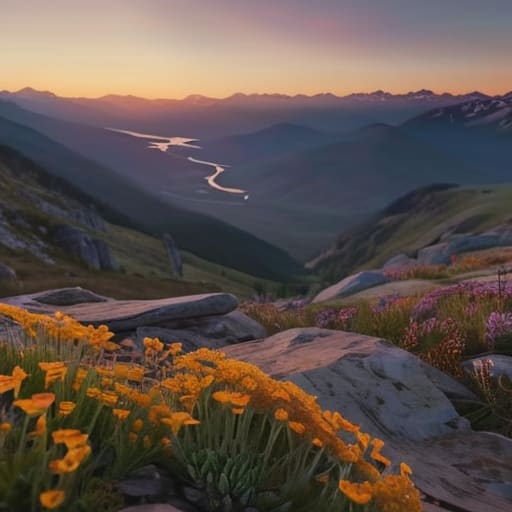
When I think about the most soul-stirring paths I’ve encountered, I don’t think of the steepest climbs or the most grueling distances. Instead, I think of the way the light hits the granite in the High Sierras or the soft, damp scent of pine in the Blue Ridge Mountains. These scenic mountain trekking routes aren’t just lines on a map; they are invitations to lose oneself in the scale of the world. I’ve found that the best routes are often those that meander rather than sprint, offering plenty of places to pull out my notebook and sketch a jagged ridgeline or a particularly stubborn wildflower.
Of course, finding that quiet connection with nature requires a bit of respect for the terrain. I’m a firm believer in a solid trail preparation checklist before heading into the backcountry. It isn’t about being an expert woodsman, but about having the peace of mind that comes from being prepared. When you aren’t worrying about whether your boots will hold or if you have enough water, you are finally free to actually look up and see the majesty passing you by.
A Few Things I’ve Learned from My Boots and My Notebook
- Pack light, but pack right. I used to think more gear meant more security, but after years of heavy packs, I’ve learned that a lighter load makes for a much better view. Stick to the essentials—a good map, plenty of water, and maybe that extra layer for when the wind picks up.
- Don’t let the stopwatch dictate your pace. There is no prize for being the first one to the trailhead or the fastest to the summit. If you see a particular bend in the creek or a patch of wildflowers that catches your eye, stop. Sit. Let the world settle around you.
- Respect the terrain, but don’t fear it. As an engineer, I have a natural respect for how things are built, including the mountains. Check the weather and the trail conditions before you head out, but once you’re on the path, trust your feet and stay mindful of where you step.
- Carry a small way to record the moment. I never head out without my leather-bound notebook. Sometimes a quick sketch of a ridge or a few lines about the smell of the pine needles helps anchor the memory far better than a dozen hurried photos on a phone.
- Always carry a little something extra for the soul. A good trail snack isn’t just fuel; it’s a ritual. Whether it’s a piece of sharp cheddar or a bit of dark chocolate, saving a small treat for a quiet moment on a ledge makes the entire journey feel like a celebration.
A Few Notes for the Trail
Forget the stopwatch; the goal isn’t to reach the peak first, but to notice the way the light hits the pine needles along the way.
Pack more than just water and a map—bring a small snack and a moment of stillness to reward yourself for the climb.
Let the trail do the heavy lifting for your mind, and don’t be afraid to sit a while when the view finally demands your full attention.
The View from the Middle of Nowhere
A trail isn’t a distance to be conquered or a box to be checked on a map; it’s just a path that leads you to a place where you can finally hear yourself think, usually somewhere between the third mile and a particularly good view.
Bernard Oyelaran
The Path Less Rushed

Looking back at everything we’ve discussed, it’s clear that hiking is about much more than just checking a trail off a list or reaching a summit before the sun goes down. Whether we are exploring those sweeping mountain vistas to clear our heads or simply walking through a local forest to find a bit of mental stillness, the goal remains the same. It isn’t about the mileage on your boots or the elevation gain on your watch; it is about reclaiming your time from a world that is always asking you to hurry. We’ve seen how the right route can soothe a restless mind and how a bit of nature can provide a perspective that no office cubicle ever could.
As I sit here in this small cafe, sketching the way the light hits the trees outside, I’m reminded that the best part of any journey isn’t the destination, but the quiet intervals in between. So, when you lace up your boots this weekend, I urge you to leave the stopwatch at home. Don’t worry about being the fastest person on the trail. Instead, find a sturdy rock, sit for a moment, and let the world breathe around you. After all, the mountain isn’t going anywhere, and you’ll find much more beauty if you’re actually present to see it.
Frequently Asked Questions
What kind of gear should I pack if I want to take my time and enjoy the scenery rather than just rushing to the finish line?
Forget the ultra-lightweight obsession. If you aren’t racing, you can afford a few extra pounds for comfort. Pack a lightweight folding stool or a decent sit-pad; there’s nothing quite like sitting on a rock to enjoy a view. Bring a proper thermos for tea, a real notebook for sketching, and perhaps an extra layer for when you linger. Most importantly, carry a slightly larger pack—it gives you room to breathe, and room for snacks.
Are there certain trails that are easier on the knees for those of us who aren't as young as we used to be?
I know that feeling well. My knees certainly don’t forgive me for a steep descent like they used to. I’ve found that looking for “rail trails” or old carriage paths is a game-changer; they tend to be much more level. If you’re heading into the woods, look for loops with minimal elevation gain. It’s not about the struggle of the climb; it’s about the steady rhythm of the walk and the view at the end.
How do you find the best quiet spots along a trail to just sit, eat, and take in the view?
I’ve learned that the best spots aren’t usually the ones marked on a map with a big red star. Those are for the crowds. Instead, look for a break in the treeline or a flat ledge just past a particularly steep climb. When you feel your pace naturally slacken, that’s your cue. Pull out the notebook, find a comfortable rock, and don’t be afraid to linger. The view is better when you aren’t rushing to the next waypoint.