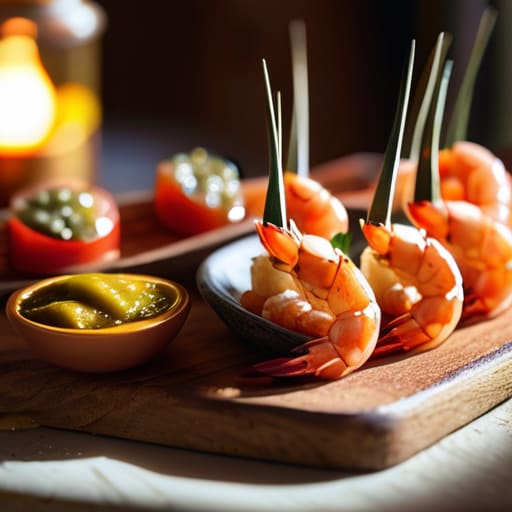
I was sitting in a crowded plaza in San Sebastián last Tuesday, watching a group of tourists frantically pointing at menus and arguing over what they thought were “authentic” experiences, when I realized something. People make such a fuss about the distinction between tapas and pinchos, treating it like some complex engineering problem that requires a manual to solve. They chase the most expensive-looking plates or the most “Instagrammable” spots, completely missing the point. To me, it isn’t about following a strict culinary hierarchy or paying a premium for a fancy name; it’s about that first bite of salty jamón or a perfectly seasoned mushroom that makes the rest of the world go quiet for a second.
I’m not here to give you a lecture or a list of overpriced tourist traps. Instead, I want to share what I’ve learned from wandering through narrow cobblestone streets with nothing but my notebook and a healthy appetite. I’ll show you how to navigate the real difference between tapas and pinchos by focusing on the soul of the snack rather than the price tag. My goal is simple: to help you find those quiet, delicious corners where the food is honest and the pace is just right.
Table of Contents
Unraveling the Difference Between Tapas and Pinchos
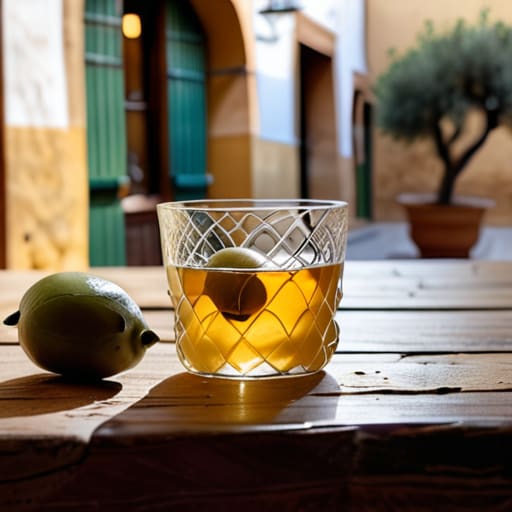
I remember sitting in a sun-drenched courtyard in Seville, watching a group of locals move from one bar to another with a grace that only comes from years of practice. That was my first real lesson in the difference between tapas and pinchos. You see, tapas aren’t always a specific dish; they are more of a gesture. Often, it’s a small, complimentary bite—a salty olive or a slice of Manchego—that arrives alongside your drink. It’s an invitation to linger, a way of saying, “Stay a while.”
When I traveled north toward San Sebastián, the rhythm changed. The Basque pintxos culture is a different beast entirely. Here, the food isn’t just a side note; it’s the main event, often perched atop a crusty piece of bread and held together by a toothpick. These are substantial, miniature works of art. While tapas feel like a conversation, pintxos feel like a culinary exhibition. One is about the spirit of the gathering, and the other is about the sheer, delicious craftsmanship of the bite.
The Quiet Grace of Traditional Spanish Appetizers
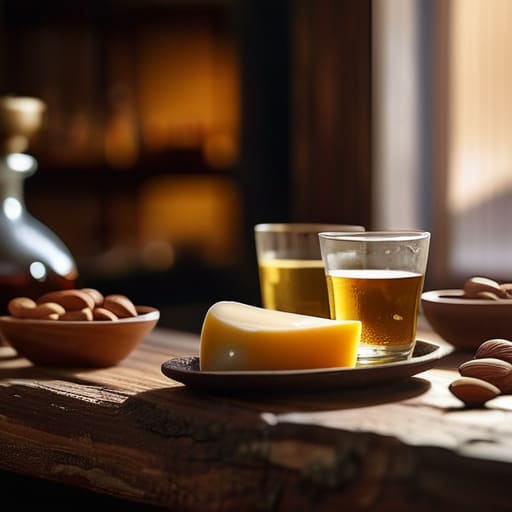
There is a specific kind of magic in the way a local bar functions when the sun begins to dip. It isn’t about the spectacle; it’s about the rhythm. You’ll see it in the way people lean against the worn wooden counters, nursing a small glass of vermouth while waiting for their order. These traditional Spanish appetizers aren’t just fuel for the body; they are the punctuation marks in a long, winding conversation. Whether it’s a simple plate of Marcona almonds or a slice of Manchego, there is a sense of purpose in the simplicity.
I’ve found that if you pay attention, you can see the heartbeat of the community in these small bites. In the north, the Basque pintxos culture turns every evening into a slow-motion parade of flavor, where the food is almost an art form perched atop a crusty piece of bread. It’s a far cry from the rushed, sit-down dinners I used to manage back in my engineering days. Here, time doesn’t feel like something to be conquered, but something to be shared and savored.
A Few Lessons Learned Between Bites and Barstools
- Don’t be afraid to stand. In many of the smaller, more authentic spots, the magic happens standing at the bar. It keeps the energy moving and lets you soak in the local chatter without feeling like you’re taking up too much space.
- Follow the crowd, not the menu. If you see a group of locals huddled around a specific corner of the bar or a certain plate that looks like it’s disappearing fast, that’s your cue. The best flavors are usually found where the noise is loudest.
- Embrace the art of the stroll. Especially when it comes to pinchos, don’t feel pressured to sit down at a single establishment. The real joy is in the wander—moving from one small bar to the next, treating each stop like a new chapter in your afternoon.
- Keep your eyes on the counter. Unlike a formal dinner where the food comes to you, the best pinchos are often displayed right there on the wood, ready to be grabbed. Take a moment to look at the textures and colors before you decide; it’s a feast for the eyes before it ever hits the palate.
- Let the wine be your guide. You don’t need a sommelier to tell you what works. Just ask for a small glass of whatever the house is pouring. A crisp white or a light red is usually all you need to bridge the gap between one savory bite and the next.
A Few Things to Carry With You
Don’t worry about the technicalities; whether it’s a tapa or a pincho, the real goal is simply to sit, linger, and let the conversation flow as easily as the wine.
Look for the small, unpretentious spots where the locals gather—it’s usually there, amidst the clatter of plates and the hum of voices, that you’ll find the true heart of the meal.
Treat every small plate as an invitation to slow down and notice the details, from the texture of a crusty piece of bread to the way the afternoon light hits your glass.
The Art of the Small Plate
“I’ve learned that you don’t need a grand banquet to feel full; sometimes, it’s just a single, perfect pincho shared at a wooden bar that tells you everything you need to know about the soul of a place.”
Bernard Oyelaran
The Last Bite and the Long Walk Home
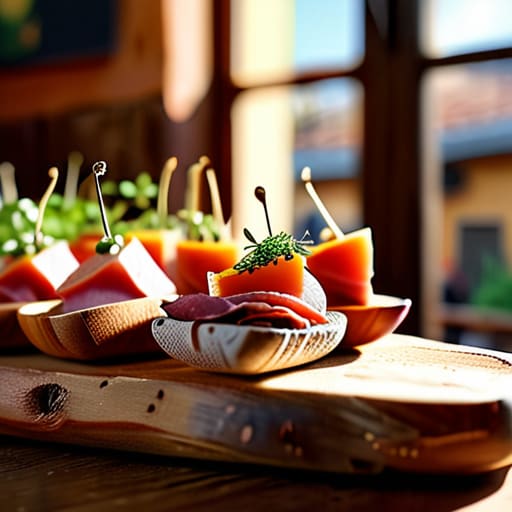
At the end of the day, whether you find yourself leaning against a high bar counter with a plate of tapas or carefully selecting a single, perfect pincho from a wooden board, the distinction matters far less than the experience itself. We’ve looked at how tapas often serve as a shared conversation starter—a collection of flavors meant to be passed around—while pinchos offer that delightful, self-contained bite of artistry. One is a social dance, the other a quiet discovery. But regardless of the name on the menu, the essence remains the same: it is about intentional eating and honoring the craft of the local cook.
As I sit here in this small plaza, sketching the way the evening light hits the cobblestones, I’m reminded that these small plates are more than just food; they are an invitation. They invite us to stop checking our watches and start checking in with our senses. Don’t worry about following the local rules to a T or mastering the terminology. Just find a stool, order something that looks interesting, and let the world rush by without you. After all, the best way to truly see a new place isn’t through a camera lens or a guidebook, but through the slow, steady rhythm of a shared meal.
Frequently Asked Questions
Is there a particular time of day when it’s best to go out for pinchos versus traditional tapas?
If you’re looking for that classic pinchos experience, aim for the late evening. I’ve found the best energy is in the bars around 9:00 PM, when the locals are out and the counters are brimming with colorful skewers. Tapas, however, feel more suited to a mid-afternoon pause—perhaps a bit of shade and a quiet glass of sherry. One is a lively social ritual; the other, a gentle way to steady yourself.
Do I need to know how to count the little wooden skewers if I’m eating at a busy pinchos bar?
Don’t you worry about the math. In those lively, crowded bars, there’s a certain chaotic rhythm to it all that you just have to lean into. Usually, the bartender keeps a tally of your skewers as you set them on your napkin, and they’ll settle up at the end. Just focus on the flavor and the conversation. If you spend the whole time counting sticks, you’ll miss the very soul of the experience.
Are there certain regions in Spain where one style is more common than the other?
If you find yourself wandering through Spain, you’ll notice the landscape shifts just as much as the menu. Down in Andalusia, it’s all about the tapas—those shared plates that invite long, lingering conversations. But head north to the Basque Country, and you’ll find the pinchos reign supreme. There, the food is almost architectural, perched on crusty bread. It’s a wonderful bit of regional character; one invites you to settle in, the other to explore.
