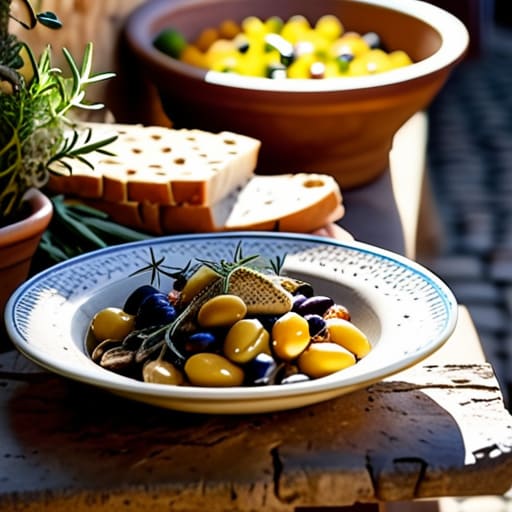
I was sitting in a cramped, overpriced bistro in Florence last spring, staring at a menu that looked more like a legal document than a list of ingredients. Everyone around me was busy snapping photos of their plates, chasing the latest viral trend, but the food felt soulless. It struck me then that most people approach food tourism like they’re checking items off a frantic to-do list, rushing from one famous landmark to the next just to say they’ve eaten there. They’re missing the point entirely. Real connection doesn’t happen in a line for a Michelin star; it happens when you stumble upon a sun-drenched corner stall where the cook actually knows the farmer who grew the tomatoes.
I’m not here to give you a list of the most “Instagrammable” spots or the trendiest eateries that will be forgotten by next season. Instead, I want to share how you can use food tourism as a way to actually slow down and see the world. I’ll be sharing my own quiet discoveries—the kind found in small village squares and local markets—to help you find the genuine heart of a place through its flavors.
Table of Contents
Seeking Authentic Street Food Experiences in Quiet Alleys
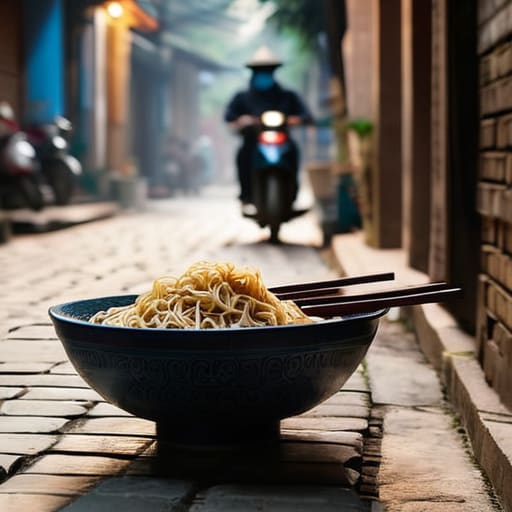
I’ve learned that the best meals rarely come with a printed menu or a polished brass sign. In fact, if you’re looking for the real heart of a city, you have to turn away from the main thoroughfares and head into the narrow, winding alleys where the pavement feels uneven underfoot. It was in a dim, narrow lane in Hanoi last autumn that I had my most memorable meal—just a plastic stool, a steaming bowl of noodles, and the rhythmic hum of a motorbike passing by. These authentic street food experiences aren’t about luxury; they are about the honest connection between a cook, their ingredients, and the person sitting right in front of them.
There is a certain magic in finding a stall tucked between two weathered buildings, where the steam from a pot rises like morning mist. You won’t find these spots on most gourmet travel itineraries, and that’s exactly why they matter. When you sit there, watching the vendor work with practiced, rhythmic motions, you aren’t just eating; you are witnessing a living piece of cultural food heritage. It’s in these quiet, unscripted moments that the world finally feels like it’s moving at the right speed.
Tracing Cultural Food Heritage Through Every Shared Meal
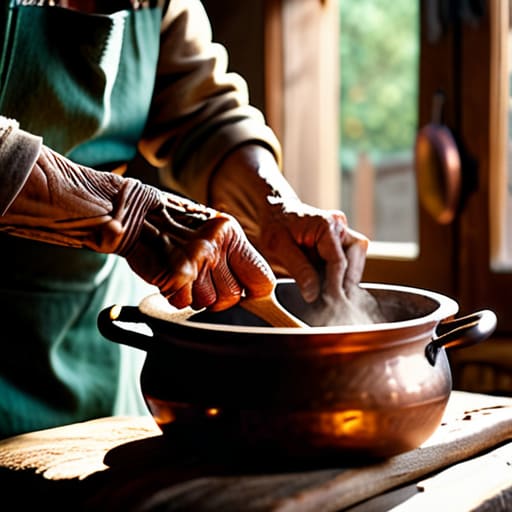
There is a certain weight to a recipe that has been passed down through generations, a kind of gravity you can feel the moment you sit down at a family-run table. I’ve found that true cultural food heritage isn’t found in the glossy brochures or the high-priced tasting menus, but in the calloused hands of a grandmother stirring a pot of stew that hasn’t changed in fifty years. When I sit in these small, unassuming kitchens, I’m not just eating; I’m participating in a silent conversation between the past and the present.
It’s easy to get caught up in the latest culinary destination trends, chasing whatever city is currently trending on social media, but that often misses the soul of a place. Instead, I prefer to look for the connections between the soil and the plate. There is something deeply grounding about seeing how a community honors its land through its cooking. Whether it’s a simple loaf of crusty bread or a complex spice blend, these flavors act as a map of a people’s history, reminding us that the most profound stories are often told through the simplest ingredients.
A Few Lessons Learned from My Own Plate
- Put down the guidebook for an hour. The best meals I’ve ever had didn’t come from a “top-rated” list; they came from following the scent of garlic and woodsmoke down a street I hadn’t even planned to walk down.
- Look for the places where the locals are lingering. If you see a shop with a few worn-out stools and a crowd of people who seem to be in no rush at all, pull up a chair. That’s where the real soul of a city lives.
- Don’t be afraid of the language barrier. A nod, a smile, and a hungry expression go a long way. Sometimes the most meaningful connection I’ve made wasn’t through words, but through the shared understanding of a perfectly seasoned stew.
- Pack light, but bring your curiosity. You don’t need a heavy itinerary; you just need the willingness to try something that looks a bit strange or unfamiliar. That’s usually when the magic happens.
- Keep a small notebook handy. Not just for recipes, but for the little things—the way the light hit the café table, or the sound of the market at dawn. Those details make the flavor linger long after you’ve gone home.
Lessons from the Table and the Trail
Don’t be afraid to wander off the main thoroughfare; the best flavors are rarely found where the tour buses park, but rather in those quiet, narrow alleys where the locals actually eat.
Treat every meal as a conversation with history, understanding that a recipe passed down through generations tells a story far deeper than any guidebook ever could.
Remember that the goal isn’t to check every restaurant off a list, but to give yourself permission to sit, linger, and truly taste the moment.
## The Heart of the Journey
“A passport tells you where you’ve been, but a shared plate of something unfamiliar tells you who the people are. You don’t truly know a place until you’ve sat at its table and let the flavors tell you the stories that the guidebooks always seem to miss.”
Bernard Oyelaran
The Last Bite and the Long Walk Home
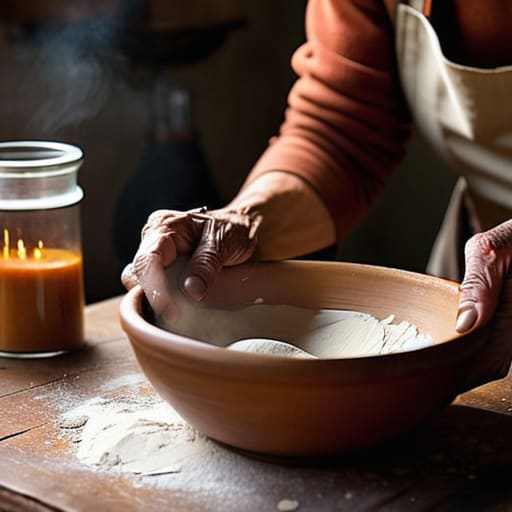
As I look back on these notes in my leather-bound journal, I’m reminded that food tourism isn’t about checking a famous restaurant off a list or hunting down the most “Instagrammable” dish. It’s about those quiet moments we’ve discussed—the steam rising from a bowl in a hidden alleyway, the way a local grandmother’s hands move while she prepares a family recipe, and the unspoken history shared across a crowded table. Whether you are tracing heritage through a single spice or simply letting your feet lead you toward the smell of fresh bread, you are doing more than just eating; you are connecting with the soul of a place in a way that no guidebook could ever truly capture.
So, the next time you find yourself in a new city, I urge you to put the map away for an hour. Don’t rush toward the landmark; instead, find a small, unassuming shop where the locals are gathered and just sit. Let the flavors settle, watch the world go by, and remember that the best part of any journey isn’t the destination, but the quiet, delicious pauses we take along the way. After all, a life well-lived is really just a collection of good meals and even better views.
Frequently Asked Questions
How do you find those quiet, tucked-away spots without accidentally ending up in a tourist trap?
I’ve learned that the best way to avoid the bright neon signs and laminated menus is to simply follow the locals. If you see a place where the menu is handwritten and the crowd looks like they’re actually living their lives—not posing for photos—that’s your spot. I usually tuck my notebook away, walk a few blocks past the main square, and look for where the noise dies down. If it looks lived-in, it usually tastes better.
Is it difficult to navigate local food customs or etiquette when you're just trying to enjoy a meal on your own?
I’ll be honest—it can feel a bit daunting at first. There’s always that slight hesitation, wondering if I’m holding my utensils wrong or if I’m being too loud. But I’ve found that most folks are far more welcoming than we give them credit for. My rule of thumb? Just observe. Watch how the locals do it, take a slow breath, and remember: you’re there to savor the flavors, not to pass a test.
How can I balance the desire to try everything with the need to actually slow down and savor the moment?
It’s a tug-of-war I feel every time I land in a new city. My instinct is to check every restaurant off a list, but that’s just another kind of work. I’ve learned to set a “rule of one”: pick one standout thing to find each day, then leave the rest of the afternoon open. If I find a bench and a decent sandwich, I stay there. Don’t chase the menu; chase the stillness.
