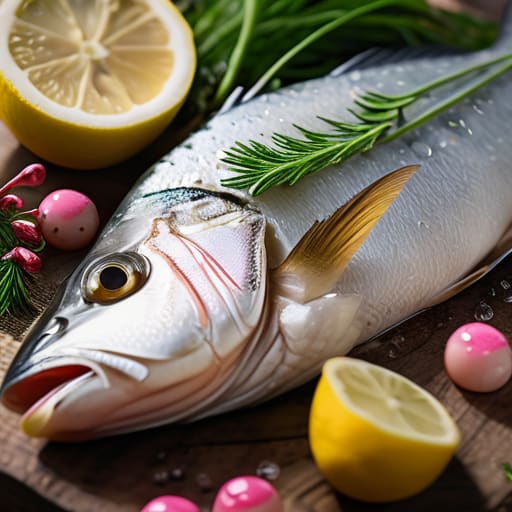
I was sitting at a weathered wooden table in a coastal shack last Tuesday, watching a young man in a crisp white apron explain the “complex flavor profiles” of a single, overpriced scallop. It struck me then how much we’ve lost to the theater of fine dining. People treat ocean seafood like it’s some high-stakes puzzle to be solved with expensive sauces and pretentious terminology, when really, the best things from the sea don’t need a lecture. I’ve spent my life building bridges and managing heavy machinery; I have little patience for unnecessary complication. If the fish is fresh and the fire is right, you don’t need a sommelier to tell you it’s good.
I’m not here to give you a list of the most expensive tasting menus or guide you through the latest culinary trends. Instead, I want to share what I’ve learned from years of wandering coastal towns and sitting in quiet, salt-crusted kitchens. I’ll show you how to spot the real deal, how to appreciate the simple beauty of a well-cooked catch, and why the best meal of your life might just come from a paper basket on a pier.
Table of Contents
The Gentle Wisdom of Wild Caught vs Farmed Seafood
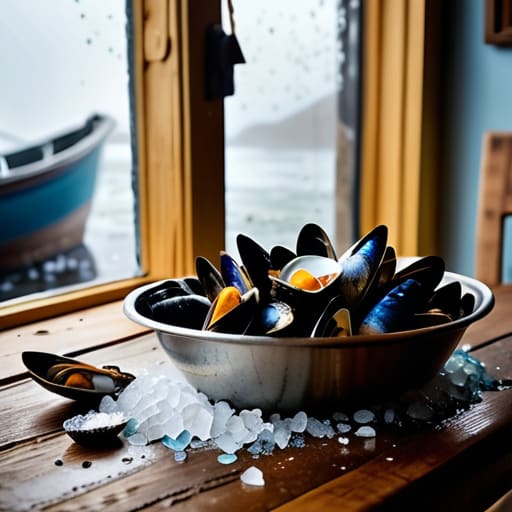
I remember sitting in a small seaside café in Maine, watching the local fishermen haul in their nets. There was a certain honesty in the way they worked, a rhythm dictated by the seasons rather than a factory clock. It got me thinking about the growing debate surrounding wild-caught vs farmed seafood. To my mind, there is a profound difference in the soul of the food. Wild fish carry the essence of the currents and the deep, untamed spirit of the sea, whereas farmed varieties often feel a bit more… predictable.
Of course, it isn’t always a simple choice. While I find myself leaning toward the wild catch, I’ve learned that understanding the nuances is part of being a mindful traveler. One must consider things like ocean biodiversity and ecosystems to ensure our appetites don’t outpace nature’s ability to replenish itself. I often find myself checking a local seasonal seafood guide before I settle on a dish. It’s a small habit, but it helps me feel like I’m participating in a cycle of respect rather than just consumption. After all, eating well should never come at the cost of the very waters that sustain us.
Nourishing the Soul Through Seafood Nutritional Benefits
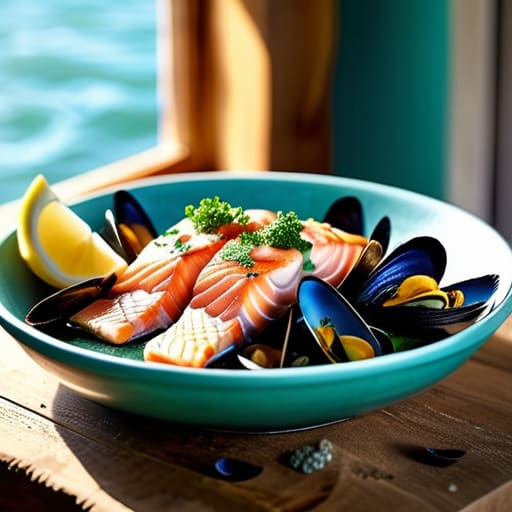
I’ve always believed that what we put into our bodies should be as honest as the landscapes we admire. When I sit down with a piece of grilled salmon or a bowl of mussels, I’m not just looking for a full stomach; I’m looking for that steady, quiet energy that comes from eating something truly fundamental. The seafood nutritional benefits are well-documented, of course—the omega-3s and those essential minerals that keep the mind sharp—but to me, it feels more personal than a textbook definition. It’s about the vitality that comes from the sea itself.
Of course, being mindful means being aware of the nuances, like keeping an eye on mercury levels in fish to ensure our longevity matches our curiosity. I find that if I stick to smaller, seasonal catches, I can enjoy these gifts without a second thought. There is a certain peace in knowing that a meal can be both a feast for the senses and a way to sustain the body for the long walks ahead. It’s about nourishing the vessel so we can continue to witness the world.
A Few Simple Rules for Choosing the Best Catch
- Don’t be afraid to ask questions. When you’re at a local market or a small seaside cafe, ask the person behind the counter where the fish came from and how it was caught. A good vendor is always happy to share the story of their morning’s haul.
- Trust your senses over the fancy labels. A fresh piece of fish should smell like the clean, salty breeze of the ocean, not like anything heavy or overly “fishy.” If it looks dull or feels slimy, leave it on the ice and move along.
- Follow the seasons, just as I do with my sketches. Just as certain light only hits the hills at dusk, certain seafood is only at its best during specific months. Eating what is naturally in season ensures better flavor and a lighter footprint on the waters.
- Keep your preparations simple to honor the ingredient. When the ocean has done the hard work of providing something beautiful, you don’t need a mountain of heavy sauces. A bit of good olive oil, a squeeze of lemon, and a pinch of sea salt are often all that’s required.
- Look for the small, local players. While the big grocery chains are convenient, there is a different kind of magic in finding a small-scale fisherman’s stall. It connects you to the rhythm of the tides in a way a supermarket aisle never could.
Small Morsels of Wisdom for Your Next Coastal Meal
When you find yourself at a seaside market, look for the stories behind the catch; choosing wild-caught isn’t just about the taste, it’s about respecting the natural rhythm of the sea.
Don’t view a seafood dinner as just fuel for the body, but as a way to nourish your mind with the essential nutrients that keep us steady and clear.
The best way to enjoy a meal is to let the world slow down around you, focusing on the texture of the food and the sound of the waves rather than the rush of the day.
The Connection Between Sea and Soul
When you sit down to a plate of fresh seafood, you aren’t just eating; you’re tasting the currents, the salt, and the patient rhythm of the ocean itself—it’s a reminder that some things simply cannot be rushed.
Bernard Oyelaran
A Final Taste of the Tide
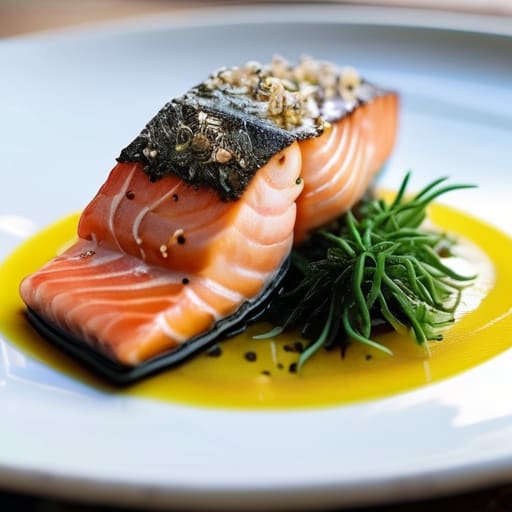
As I sit here by the window, watching the light shift across my notebook, I’m reminded that choosing what we eat is about more than just calories or convenience. We’ve talked about the importance of respecting the ocean’s natural rhythms by choosing wild-caught over farmed, and how those nutrient-dense oils and proteins do more than just fuel our bodies—they nourish our very essence. Whether it is the clean, sharp taste of a seasonal catch or the simple knowledge that your meal was sourced with integrity and care, every bite is a way of connecting to the vast, blue world that sustains us. It really comes down to making intentional choices that honor both our health and the sea.
In the end, I think the true magic of a seafood meal isn’t found in the complexity of the recipe, but in the stillness of the moment. It’s in the salt air, the sound of the waves, and the way a perfectly cooked piece of fish can ground you in the present. Don’t be in such a hurry to finish your plate that you miss the flavor or the feeling of being alive. I hope you find a moment soon to sit, slow down, and simply savor the gift of the ocean. After all, life is best enjoyed one bite at a time.
Frequently Asked Questions
How can I tell if the fish I'm buying at the local market was actually caught sustainably and not just labeled as such?
It’s a fair question, and honestly, a bit of a minefield these days. Labels can be slippery. If you’re at a local market, my advice is to skip the fancy stickers and talk to the person behind the counter. Ask them where the catch came from and how it was harvested. A real fisherman will be happy to tell you the story of the boat or the season. If they can’t give you a straight answer, I usually just move on.
Are there certain types of seafood that are better suited for a slow, home-cooked meal versus something quick and easy?
When I’m looking for a slow afternoon, I reach for something like a whole sea bass or thick halibut steaks. They demand your attention—the careful seasoning, the patience while they sear in a heavy pan. It’s a ritual. But if I’ve spent too much time sketching in the park and just want to eat, I’ll grab some fresh shrimp or scallops. They cook in a heartbeat, letting me get back to my notebook sooner.
When I'm traveling to a new coastal town, what are the best ways to find the most authentic, local seafood spots away from the tourist crowds?
I’ve learned that the best meals aren’t found on a glossy brochure, but by following the locals. When I arrive in a new coastal town, I skip the main pier and wander toward the working docks or the smaller side streets. I look for the places where the menu is short, the windows are a bit salt-crusted, and the patrons aren’t carrying maps. If you see a group of fishermen grabbing lunch, pull up a chair nearby.
