
I remember sitting in a drafty little bistro in coastal Italy years ago, watching a chef meticulously arrange microgreens with tweezers as if he were performing surgery. The menu was a dizzying list of technical jargon, all promising to explain the complex flavor profiles of a simple tomato. It felt performative, almost dishonest. To me, that kind of pretension is just a barrier to actually tasting the food. We’ve been conditioned to believe that understanding how flavors work requires a culinary degree or a heavy textbook, when in reality, it’s much more about paying attention to the way a pinch of salt can suddenly make a piece of dark chocolate sing.
I’m not here to teach you the chemistry of molecular gastronomy or how to impress people at dinner parties with fancy terminology. Instead, I want to share what I’ve learned from a lifetime of slow meals and quiet observations: how to actually listen to your food. I’ll show you how to recognize the basic tug-of-war between sweet, sour, salty, and bitter, so you can stop following recipes blindly and start trusting your own palate. It’s about finding the balance, not the complexity.
Table of Contents
A Tasting Notes Guide for the Patient Soul
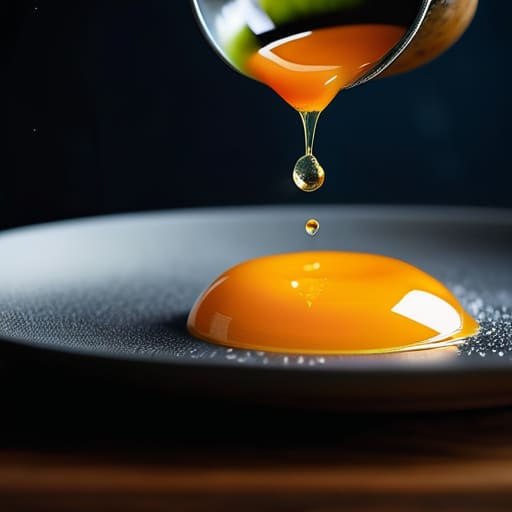
I’ve learned over the years that you can’t rush a good thing, whether it’s the curing of a concrete slab or the way a complex sauce develops on the tongue. When I sit down with a new dish, I try to approach it like I do one of my old Leica cameras—looking past the surface to see how the internal mechanics work together. Instead of just saying something is “good,” I try to use a simple tasting notes guide in my mind. I start with the initial brightness—that sharp hit of acidity or salt—and then wait for the middle notes to settle. It’s about paying attention to the sensory perception of taste as it evolves from the first bite to the lingering finish.
Sometimes, a dish feels lopsided, much like a bridge with poor weight distribution. That’s usually where you need to look for the umami fifth taste to ground the experience. If a soup is too acidic, a bit of richness can steady it; if it’s too heavy, a squeeze of lemon brings it back to life. It isn’t about perfection, but about finding that delicate equilibrium that makes a meal feel complete.
Mastering the Umami Fifth Taste With Quiet Intent
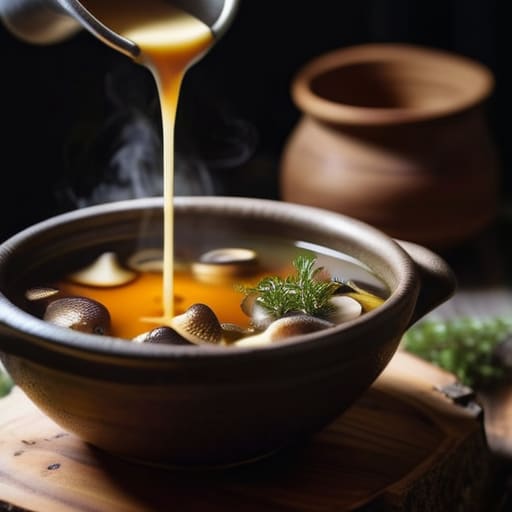
I’ve always found a strange kinship between my old engineering days and the way we understand the umami fifth taste. In my career, a bridge wasn’t just about the steel you could see; it was about the tension and the foundation hidden beneath the waterline. Umami is much the same. It isn’t a loud, sharp flavor like a squeeze of lemon or a pinch of salt. Instead, it’s that deep, grounding presence—the savory warmth found in a slow-simmered mushroom broth or a well-aged piece of cheese—that anchors a dish.
When I’m sitting in a small bistro, sketching the light hitting the cobblestones, I try to pay closer attention to how this richness settles on the tongue. It’s a lesson in sensory perception of taste; you can’t rush it. If a meal feels hollow or disjointed, it’s often because the savory depth is missing. Mastering this requires a bit of patience and a willingness to let the flavors linger. It’s about finding that perfect culinary flavor balance where the richness doesn’t overwhelm, but rather provides a steady, quiet foundation for everything else.
Five Small Ways to Find the Rhythm in Your Cooking
- Don’t fear the salt, but treat it like a steady hand in a blueprint; it shouldn’t shout, but it must be there to hold the structure of the flavor together.
- Keep a little bit of acid—a squeeze of lemon or a splash of vinegar—in your pantry to act like a sudden burst of sunlight through a cloudy afternoon, brightening up a heavy dish.
- When you’re seasoning, try to eat a small bite of what you’re making every few minutes; it’s much like sketching a landscape, you have to step back and look at the whole picture to see where it’s lacking.
- Balance the heavy with the light; if you’ve prepared something rich and fatty, seek out a sharp, bitter green or a bright herb to keep the palate from feeling overwhelmed.
- Learn to embrace the “middle notes”—those subtle, lingering flavors that don’t hit you immediately but reveal themselves once you’ve slowed down and truly settled into the meal.
Lessons from a Slow Table
Treat your palate like a vintage lens; you can’t see the fine details if you’re rushing to catch the light, so give each flavor the time it needs to settle.
Don’t fear the complexity of a dish; whether it’s a sharp citrus note or a deep, savory umami, every layer has a purpose in the larger landscape of the meal.
True mastery isn’t about following a recipe to the letter, but about learning to listen to what the ingredients are telling you as they hit your tongue.
## The Architecture of a Single Bite
Much like the way a well-built bridge relies on the subtle tension between steel and stone, a truly memorable meal isn’t just about one loud ingredient; it’s about how the bright acidity dances against a deep, earthy base, creating a balance that lingers long after the plate is cleared.
Bernard Oyelaran
The Slowest Way to Eat
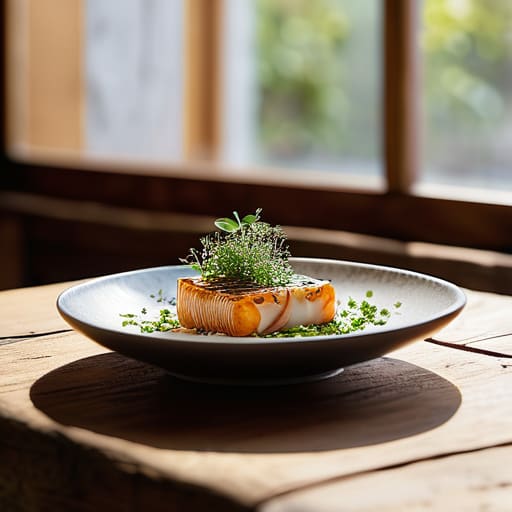
As I sit here in this small cafe, watching the light shift across the cobblestones, I’m reminded that understanding flavor isn’t about memorizing a list of ingredients or mastering complex culinary chemistry. It is about the patience to distinguish that sharp, bright acidity from a squeeze of lemon, or the way a deep, savory umami can ground a dish like a well-built foundation. We have spent so much time discussing the balance of sweet, sour, salty, and bitter, but the real work lies in listening to your palate without rushing to the next bite. When you stop treating a meal like a task to be completed and start treating it like a conversation, the nuances of every spice and every reduction finally begin to speak.
My old engineering manuals always emphasized that the smallest details are what keep a bridge standing, and I find the same truth in a well-composed plate. Don’t feel pressured to become a critic overnight; just aim to be present at the table. Whether you are enjoying a simple piece of crusty bread or a slow-roasted stew, give yourself permission to linger. Life moves far too quickly to rush through the very things meant to nourish us. So, take a breath, pick up your fork, and let the world wait just a little while longer.
Frequently Asked Questions
How can I begin to identify these subtle flavors without feeling overwhelmed by all the different spices?
Don’t try to map out the whole spice cabinet at once; that’s a recipe for frustration. Start small. Pick one dish you know by heart—maybe a simple tomato soup or a bowl of rice—and take it one bite at a time. Close your eyes. Instead of hunting for “cumin” or “coriander,” just ask yourself: Is it bright? Is it heavy? Is it warm? Once you recognize the feeling, the names will follow.
Are there certain combinations of flavors that naturally complement one another when I'm trying to balance a meal?
Think of it like balancing a structural blueprint; you need certain elements to support the weight of others. I’ve found that acidity—a squeeze of lemon or a splash of vinegar—is the perfect counterweight to heavy, fatty foods. It cuts through the richness, much like a crisp breeze clears a humid afternoon. Pairing something sweet with something salty, or a bit of heat with something cooling, creates a harmony that keeps the palate curious without feeling overwhelmed.
How much does the setting or the atmosphere around the table actually affect how we perceive these different tastes?
It’s everything, really. I’ve found that a meal eaten in a frantic, noisy room never tastes quite as deep as one shared in a quiet corner. If your mind is racing, you’re just fueling up; if the atmosphere is still, you’re actually eating. A soft light or a gentle breeze can act like a seasoning, settling the nerves so you can finally notice that subtle hint of rosemary or the warmth of the grain.
