How Better Posture Affects Your Wellbeing

I was sitting in a small café in Florence last Tuesday, sketching the way the light hit the cobblestones, when I noticed a young man at the next table. He was hunched so tightly over his laptop that he looked like he was trying to hide inside his own chest. It struck me then that we’ve turned improving posture into this massive, expensive industry filled with “ergonomic” gadgets that cost more than a decent steak and fancy braces that do nothing but make you feel like a stiff-necked statue. Most of this advice is just noise designed to separate you from your wallet, rather than actually helping you inhabit your own body.

I’m not here to sell you a miracle chair or a subscription to a fitness app. What I want to share is what I’ve learned from decades of managing heavy machinery and, more importantly, from learning how to listen to my own aging bones. I’m going to give you a few straightforward, practical adjustments—the kind that don’t require a gym membership or a degree in kinesiology. We’re going to focus on small, intentional movements that help you stand a little taller and breathe a little easier, so you can get back to actually enjoying the view.

Table of Contents

Finding Stillness Through Gentle Spinal Alignment Techniques
Finding Stillness Through Gentle Spinal Alignment Techniques

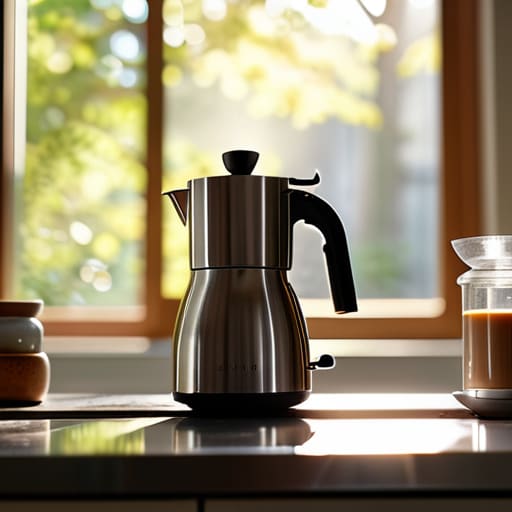
I’ve found that most of us treat our bodies like old machinery—we only pay attention when something starts to creak or grind. When I was managing construction sites, I knew that a foundation wasn’t just about the concrete; it was about the subtle way the weight was distributed. Your spine is much the same. I’ve started incorporating a few simple spinal alignment techniques into my morning routine, usually while the coffee is still brewing. It isn’t about intense gym sessions, but rather about finding that sweet spot where your weight feels even, rather than slumped heavily into your hips.

One thing that has made a world of difference for me is focusing on pelvic tilt correction. Most of the day, I find myself tilting forward, which pulls on the lower back in a way that feels incredibly draining by sunset. By taking just a moment to tuck the tailbone slightly and engage the midsection, you’re essentially strengthening core muscles in a way that supports your frame naturally. It’s a quiet, internal adjustment, much like adjusting the focus on one of my old Leica cameras—it takes a little patience, but once you find the clarity, everything feels much more stable.

Preventing Neck Strain While Savoring Your Morning Coffee

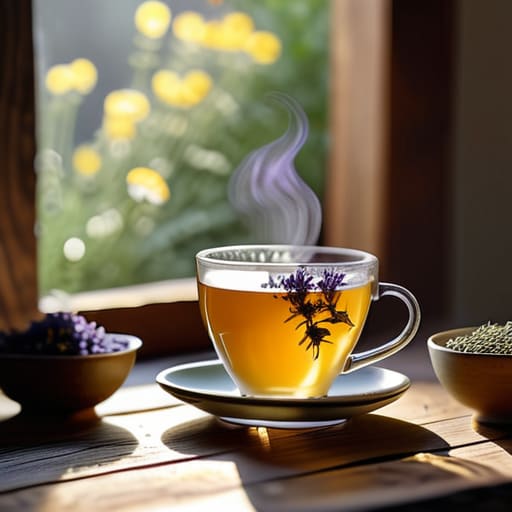
Preventing neck strain while savoring your morning coffee.

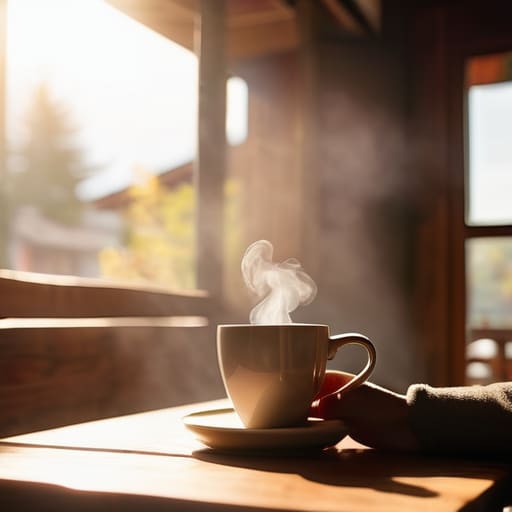
There is a particular kind of peace found in that first cup of coffee, just as the sun begins to pull itself over the horizon. For years, I used to rush through this ritual, hunched over a newspaper or staring intently at a phone, completely unaware of how much tension I was building in my shoulders. I’d finish my brew only to find my neck feeling stiff and heavy, a physical tax paid for a moment of mindless distraction. Now, I treat this time as a lesson in neck strain prevention. I make it a point to sit back, let my shoulders drop away from my ears, and actually feel the weight of my head balanced properly atop my spine.

Instead of treating my morning as a race to get moving, I use it to check in with my body. I’ve found that even a few minutes of mindful sitting—focusing on keeping my chin tucked slightly rather than jutting it forward—makes a world of difference. It isn’t about rigid perfection; it’s about finding a comfortable equilibrium before the day’s demands begin. If I can start my morning with a sense of physical ease, the rest of the day tends to follow suit.

Small Adjustments for a Lighter Frame

  • Watch your chair like a hawk; when you’re sitting down to read or write in that little notebook of mine, make sure your feet are flat on the floor rather than tucked under you. It keeps your pelvis steady and stops that slow, heavy slouch from taking over.
  • When you’re out walking, try to imagine a thin, silver thread attached to the crown of your head, gently pulling you toward the sky. It’s not about being stiff like a soldier, but about finding that natural length in your spine.
  • If you find yourself leaning over a table to inspect a camera lens or a plate of food, remember to bring the object to your eyes rather than dropping your chin to your chest. Your neck will thank you for the lack of strain.
  • Don’t be afraid to move. If you’ve been sitting through a long lunch, stand up and stretch your arms wide toward the horizon. It breaks up that static tension that builds up when we stay still for too long.
  • Check in with your shoulders every once in a while. We tend to carry the weight of the world right up in our traps. Just let them drop, roll them back once, and let them settle into a more comfortable, relaxed position.

Small Shifts for a Longer, More Comfortable Journey

Listen to your body like you would a piece of aging machinery; those little aches are just signals that it’s time to adjust your stance or take a short stroll.

Don’t let your workspace become a cage; every hour, take a moment to roll your shoulders back and find that natural, upright alignment that lets you breathe easy.

Remember that posture isn’t about being rigid or stiff like a board, but about finding a steady, comfortable balance that carries you through the day without unnecessary strain.

A Matter of Presence

We spend so much of our lives bracing ourselves against the world, hunching our shoulders as if expecting a blow, when we ought to be opening our chests to let the light in. Good posture isn’t about rigid discipline; it’s about standing in a way that says you are actually present for the view.

Bernard Oyelaran

Reclaiming Your Stature
Reclaiming Your Stature through intentional posture.

At the end of the day, improving your posture isn’t about achieving some rigid, military-grade perfection. It’s really about those small, intentional adjustments we’ve discussed—finding that gentle alignment in your spine and being mindful of how you hold your head while enjoying a quiet cup of coffee. Whether you are stretching out after a long afternoon of reading or simply checking in with your body while sitting at a cafe, these moments of awareness add up. It is about listening to the subtle signals your body sends you before they turn into aches and pains. If you can master the art of the small correction, you’ll find that carrying yourself with intention becomes as natural as breathing.

As I sit here in this little courtyard, sketching the way the light hits the stone walls, I’m reminded that how we hold ourselves changes how we experience the world. When we slouch, we shrink away from the beauty around us; when we stand tall, we truly engage with the landscape. Don’t let the rush of modern life force you into a permanent hunch. Take a breath, roll your shoulders back, and stand tall in your own skin. Life is far too beautiful to view it through a slumped perspective, and you deserve to meet every new horizon with your head held high.

Frequently Asked Questions

How can I tell if my posture is actually causing my aches, or if it's just the natural wear and tear of getting older?

It’s a fair question, and one I’ve wrestled with myself as the years pile up. I’ve found that the distinction usually lies in how you feel after you move. If a dull ache lingers regardless of your position, it might just be the “mileage” of life. But if that stiffness sharpens when you’ve been hunched over a book or a desk, and softens after a slow walk, you’ve found your culprit.

Are there any simple stretches I can do while I'm out on a long walk without feeling like I'm making a scene in public?

I’ve often found that the best stretches are the ones that look like a simple pause in your stride. If you feel a tightness in your hips, just stop for a moment, plant your feet wide, and gently shift your weight from side to side. It looks like you’re just admiring a view. A slow, deep chest expansion while looking up at the trees works wonders, too—it feels less like an exercise and more like a deep breath.

I spend a lot of time sitting at my desk or in the car; is there a way to fix my alignment without having to buy all those fancy ergonomic gadgets?

You don’t need a thousand-dollar chair to find your center. Honestly, most of those gadgets just mask the problem. When I’m driving or stuck at a desk, I focus on the basics: feet flat on the floor, shoulders dropping away from my ears, and a little space behind my lower back. If you feel yourself slouching, just take a breath and imagine a string gently pulling the crown of your head toward the sky.


Tips for Wildlife Photography

I was sitting on a damp cedar stump near the edge of the Flint River last Tuesday, my old Leica resting heavy in my lap, when I realized something. Most folks approach wildlife photography like they’re preparing for a high-stakes construction project—buying every expensive lens, tracking every spec sheet, and rushing through the brush like they’ve got a deadline to meet. They think the gear makes the shot, but all they end up with is a collection of blurry, frantic images and a very tired pair of boots. I’ve learned the hard way that the best moments don’t come to the man with the most expensive telephoto lens; they come to the man who has the patience to be still.

In this series, I’m not going to sell you on some high-tech gadget or a complicated digital workflow. Instead, I want to share what I’ve gathered from years of sitting quietly in the woods and watching the world move at its own pace. We’re going to talk about how to truly see what’s in front of you, how to respect the creatures we’re trying to capture, and why the most important tool you own is actually your own sense of observation.

Table of Contents

Mastering Camera Shutter Speed for Animals in Motion

Mastering Camera Shutter Speed for Animals in Motion

When I first started tinkering with those old Leica cameras, I learned that timing is everything. In the world of capturing motion, your shutter speed is the difference between a sharp, soulful gaze and a blurry smudge of color. If you’re trying to freeze the moment a heron takes flight or a deer breaks into a run, you can’t afford to be timid. I’ve found that setting a fast camera shutter speed for animals—usually something upwards of 1/1000th of a second—is the only way to truly halt time.

Of course, it’s a bit of a balancing act. When you push those speeds higher, you’re letting in less light, which can be tricky if you’re tucked away in a shaded thicket. I often find myself adjusting my telephoto lens settings to compensate, making sure I’m not just chasing the movement, but actually capturing the essence of the creature. It’s a bit like my old engineering days; you have to respect the physics of the situation to get the structure right. Slow down, watch the rhythm of the woods, and let the machine catch up to your eyes.

Seeking Natural Lighting in Nature Photographys Soft Glow

Seeking Natural Lighting in Nature Photographys Soft Glow

I’ve learned over the years that the sun is much like a project manager—it has its own schedule, and you’d best learn to work around it. If you try to chase a subject under the harsh, midday glare, you’ll often find your images washed out and lacking soul. Instead, I find myself gravitating toward those “golden hours” just after sunrise or before dusk. This is when natural lighting in nature photography truly performs its magic, casting long, soft shadows that give a sense of depth to the landscape and the creature within it.

There is a certain stillness in the air during these times that makes the whole experience feel less like a hunt and more like a quiet observation. When the light is diffused, you don’t have to struggle quite as hard with your exposure settings; the world simply looks more intentional. It allows you to focus less on the technical grind and more on the subtle textures of a bird’s feathers or the way the light catches the dew on a leaf. It’s about finding that perfect, gentle glow that makes a single frame feel like a complete story.

The Art of Being Still: Five Ways to Connect with the Wild

  • Learn the value of patience over gear. I’ve found that sitting quietly on a folding stool for an hour often yields better results than any high-speed lens ever could. Let the animals forget you’re there; once they settle into their rhythm, that’s when the real magic happens.
  • Respect the distance. There is a fine line between a great shot and being an intruder. I always aim to capture their essence without disrupting their peace—if they stop what they’re doing to look at you, you’re probably too close.
  • Watch the wind and the shadows. Just like when I was managing construction sites, timing is everything. A sudden gust of wind can rustle the brush and spook a deer, so learn to read the environment before you even lift your camera.
  • Focus on the eyes. Whether it’s a bird in a thicket or a fox in the tall grass, the soul of the photograph lives in the eyes. If you can catch that spark of life, the rest of the composition will fall into place.
  • Keep your eyes up and your ego down. Don’t get so caught up in fiddling with your settings that you miss the moment entirely. Sometimes, the best thing to do is put the camera down, take a breath, and just witness the scene with your own two eyes.

Lessons from the Field

Leave the technical jargon at the door and focus on the rhythm of the animal; if you’re breathing too hard or moving too fast, you’ve already lost the moment.

Don’t let the pursuit of a “perfect” shot ruin the experience; sometimes the best part of being in the woods is simply watching a bird land, even if you never press the shutter.

Patience isn’t just about waiting for the light to change, it’s about letting yourself become a quiet part of the landscape until the world forgets you’re there.

The Art of Stillness

Most folks think wildlife photography is about the gear or the perfect shutter speed, but after years of chasing light, I’ve learned it’s actually about the patience to sit still enough that the world forgets you’re there.

Bernard Oyelaran

The Art of Being Still

The Art of Being Still photography.

When you step back and look at everything we’ve discussed, it really comes down to a balance of technical discipline and intuitive feeling. We’ve talked about how mastering your shutter speed allows you to freeze a sudden movement, and how leaning into that soft, natural light can transform a simple bird into a masterpiece of texture and tone. It’s easy to get caught up in the gear and the settings, but those are just tools. At the end of the day, the goal isn’t just to capture a clear image, but to translate the energy of the wild onto a piece of film or a digital sensor.

But if I’ve learned anything from my years of tinkering with old cameras and sitting in quiet forests, it’s this: don’t let the pursuit of the perfect shot rob you of the experience itself. If you spend your whole afternoon staring through a viewfinder, you might miss the way the wind moves through the pines or the scent of the earth after a rain. Put the camera down every once in a while. The best photographs often come when you stop trying to force the moment and instead allow yourself to simply exist within it. Slow down, breathe, and let the world show itself to you.

Frequently Asked Questions

How do I keep my hands steady enough for a clear shot when I'm out in the field without a tripod?

When I’m out without my tripod, I’ve learned to stop fighting the movement and start working with it. I usually tuck my elbows tight against my ribs—it creates a sort of human stabilizer. If I’m feeling particularly unsteady, I’ll lean my shoulder against a sturdy tree or find a flat rock to rest my forearms on. It’s about finding those little anchors in nature. Just breathe, exhale slowly, and let the world settle.

What’s the best way to approach an animal without scaring it off before the moment happens?

The trick isn’t in your feet, but in your patience. I’ve learned that if you move with purpose, you’ll spook them every time. Instead, try to become part of the landscape. Find a comfortable spot, sit down, and just exist there for a while. Let the woods settle around you. Eventually, the animals stop seeing you as a threat and start seeing you as just another rock or a fallen log. That’s when the real magic happens.

Is it worth investing in a massive telephoto lens, or can I get decent shots with what I already have?

I’ll be honest with you—I spent years thinking more glass meant better results. But after a few decades of looking through viewfinders, I’ve learned that a heavy lens can actually pull you out of the moment. If you’re too busy wrestling with a massive setup, you’ll miss the way the light hits a bird’s wing. Use what you have. Learn the rhythm of the animal first; the gear will follow.

How to Make Homemade Basil Pesto

I was sitting at my small kitchen table this morning, watching the light filter through the dust motes, when I realized how much we’ve been lied to about what makes a good sauce. People will tell you that you need a high-speed food processor and a dozen fancy gadgets to achieve perfection, but that’s just noise. In my experience, the best homemade pesto doesn’t come from a machine that whirs at a thousand revolutions per minute; it comes from a steady hand and a bit of patience. When you rush the process, you end up with a bruised, bitter paste rather than a vibrant, living sauce that actually tastes like the garden it came from.

I’m not here to give you a complicated culinary lecture or a list of ingredients you can’t find at a local grocer. Instead, I want to share the simple, rhythmic way I’ve learned to craft this green gold using nothing more than a mortar and pestle and a little bit of intentionality. I’ll show you how to balance those bright, peppery notes without the stress, focusing on the small details that turn a basic meal into something truly worth savoring.

Table of Contents

Recipe Details

Total Time: 10 minutes
Difficulty: Easy

Ingredients

  • 2 cups fresh basil leaves
  • 1/2 cup freshly grated Parmesan cheese
  • 1/3 cup pine nuts, lightly toasted
  • 3 cloves garlic, peeled
  • 1/2 cup extra virgin olive oil
  • 1/4 teaspoon salt
  • 1/8 teaspoon black pepper

Recipe Instructions

Step 1

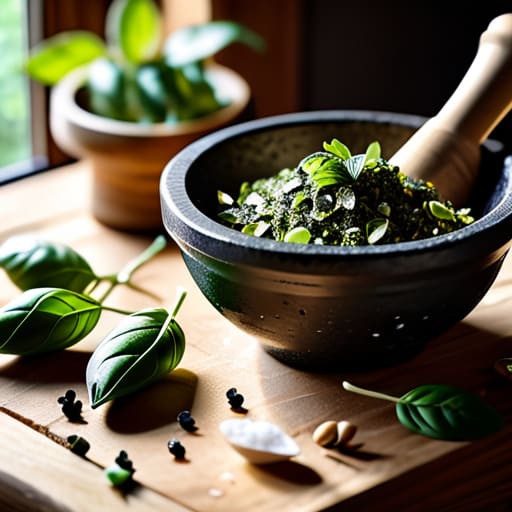
I’ve found that if you have a mortar and pestle, you should use it; there is a certain soul in the manual labor that a food processor just can’t replicate. Start by tossing a handful of toasted pine nuts into the bowl and crushing them into a coarse paste, being careful not to turn them into dust.

Step 2

Next, add a generous pile of fresh, washed basil leaves—make sure they are bone dry, or the whole thing will turn into a soggy mess. Use a steady, circular motion to bruise the leaves against the sides of the mortar until they release that bright, peppery aroma that fills the kitchen.

Step 3

Now, it’s time for the garlic. Take a single clove, peeled and smashed, and work it into the basil mixture. You want it to be finely integrated so you don’t end up with a single, overwhelming bite of raw garlic, but rather a subtle warmth that lingers in the background.

Step 4

Slowly begin to drizzle in your best extra virgin olive oil. I like to do this in a very thin, patient stream while continuing to stir with the pestle. You aren’t looking for a liquid; you are looking for a rich, velvety emulsion that holds its shape just enough.

Step 5

Finally, fold in a handful of freshly grated Parmigiano-Reggiano and a pinch of sea salt. Give it one last, gentle turn to combine everything. Don’t worry if it isn’t perfectly smooth; the little textures and imperfections are exactly what make it taste like something a human actually made.

Savoring the Fragrance of Fresh Basil Leaves and Garlic Cloves

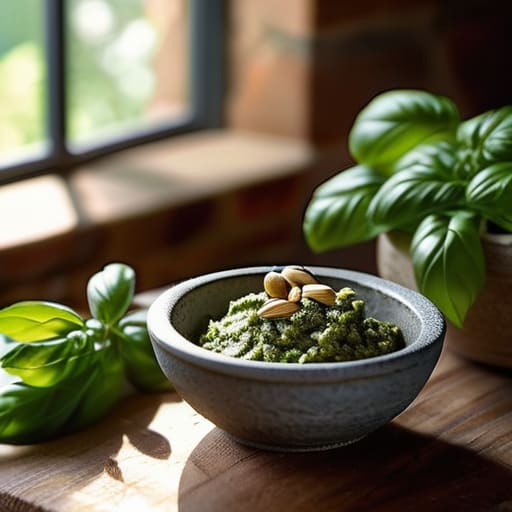
Savoring the Fragrance of Fresh Basil Leaves and Garlic Cloves.

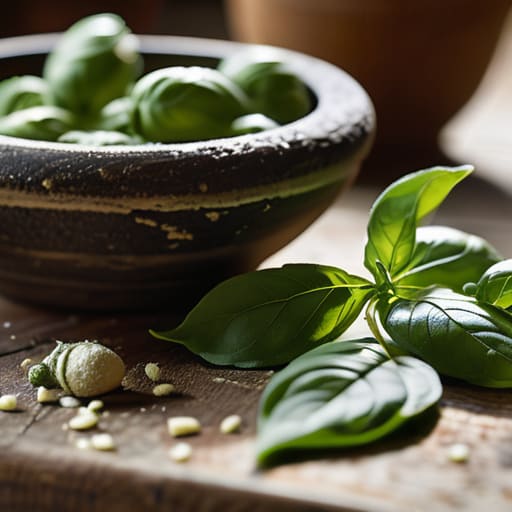
There is a specific kind of magic that happens when you first crack open a bundle of fresh basil leaves. The scent is sharp, peppery, and instantly reminds me of the summer gardens I used to pass during my engineering site visits. When you pair that brightness with the pungent, earthy bite of crushed garlic cloves, you aren’t just making a sauce; you are building a foundation of flavor. I’ve always found that if you take the time to use the mortar and pestle method, you release the essential oils in a way that a blade simply can’t mimic. It requires a bit of patience, but the texture is incomparable.

If you find yourself in a rush, a food processor works just fine, though I always suggest pulsing carefully to avoid turning it into a complete puree. For those navigating allergies, I’ve found that toasted sunflower seeds make for excellent nut-free pesto alternatives without losing that necessary richness. Lastly, if you make a large batch, remember a few simple pesto storage tips: press a thin layer of olive oil over the top of the jar to seal out the air. It keeps the color vibrant and the soul of the herb intact.

Choosing Your Pace Mortar and Pestle vs Food Processor Pesto Technique

Choosing Your Pace Mortar and Pestle vs Food Processor Pesto Technique

Now, I know what some of you might be thinking—is it really worth the extra elbow grease? If you’re looking for the soul of the sauce, there is truly no substitute for the mortar and pestle method. There’s a certain physics to it that a machine just can’t replicate; you aren’t just chopping ingredients, you are bruising them, releasing those essential oils from the fresh basil leaves and garlic cloves in a way that feels almost primal. It takes a bit longer, certainly, but in my experience, the texture you achieve is far more nuanced and rustic.

That said, I’m a practical man by trade, and I understand that not every afternoon calls for a slow, rhythmic grind. If you’re in a bit of a hurry, the food processor pesto technique is a perfectly fine way to get a meal on the table. Just be careful not to overwork it; you want a bit of texture, not a green puree. If you do go the electronic route, I find it helps to pulse the ingredients in short bursts to keep the heat from the blades from dulling that bright, vibrant color. Whether you choose speed or ceremony, the goal remains the same: to enjoy the process.

A Few Small Lessons from My Kitchen Counter

  • Don’t be afraid of a little extra salt; it’s the bridge that carries the brightness of the basil to the richness of the oil.
  • If you find your pesto is looking a bit dull, add a tiny squeeze of lemon juice—it wakes up the colors and the flavors just like a brisk morning walk.
  • Treat your pine nuts with respect; whether you toast them lightly in a pan or use them raw, they should add texture, not turn into a mushy paste.
  • Keep your basil leaves whole and dry before you start; any bit of moisture from washing can turn your vibrant green sauce into something unpleasantly watery.
  • Use the best olive oil you can afford, even if it’s just for a simple sauce; it’s the backbone of the whole dish, and you can truly taste the difference in every spoonful.

Small Lessons from a Bowl of Green

Don’t let the pursuit of perfection rob you of the joy; whether you use a mortar or a processor, the real magic is in the first bite and the quiet moment of making it.

Pay attention to the ingredients in your hands—the scent of the basil and the sharpness of the garlic are just as important as the final taste.

Use the kitchen as a place to reset; a simple recipe can be a wonderful way to slow your pace and find a little stillness in a busy day.

## A Lesson in Patience

“You can buy a jar of green sauce at any corner store, but you can’t buy the way the kitchen smells when you’ve taken the time to crush the basil yourself—it’s the difference between merely eating and actually tasting the afternoon.”

Bernard Oyelaran

A Final Spoonful

Making A Final Spoonful of fresh pesto.

Whether you found yourself drawn to the meditative rhythm of the mortar and pestle or opted for the modern efficiency of the food processor, the result is the same: a vibrant, living sauce that no jar from a grocery store shelf could ever replicate. We’ve talked about the importance of selecting the brightest basil, the right balance of garlic, and that crucial, slow integration of oil. At the end of the day, it isn’t about achieving a perfect, professional-grade consistency, but rather about the intentionality you bring to the kitchen. It’s about the way the scent of crushed herbs fills your home and reminds you that you are actually, truly present in this moment.

As I sit here at my small wooden table, sketching the way the afternoon light hits my empty pasta bowl, I’m reminded that these small culinary rituals are often the best medicine for a cluttered mind. Making pesto isn’t just a way to dress up a meal; it is a way to reclaim your time from a world that constantly demands you move faster. So, the next time you find yourself rushing through a recipe, I encourage you to pause. Take a breath, smell the basil, and remember that the most delicious things in life are almost always worth the wait.

Frequently Asked Questions

Can I use dried basil instead of fresh, or will that ruin the texture?

I’ll be honest with you: I wouldn’t recommend it. If you’re looking for that vibrant, bright green color and that hit of garden-fresh aroma, dried basil just won’t get you there. It tends to turn the sauce a bit muddy and loses that essential punch. If you’re in a pinch, use it, but for me, the whole point of this ritual is embracing the freshness. Stick with the leaves; it’s worth the extra effort.

How long can I keep a batch of this in the fridge before it loses its brightness?

I’d say you have about four or five days before that vibrant, emerald green begins to fade into something a bit more tired. To keep it tasting its best, I always press a thin layer of olive oil right over the top of the pesto in the jar—it acts like a little seal against the air. It’s a small detail, but it makes a world of difference when you’re pulling a spoonful out mid-week.

Is there a way to keep the pesto from turning that unappetizing shade of brown after I make it?

It’s a bit of a heartbreak, isn’t it? You spend all that time with the basil, only to have it dull into a muddy brown by the next morning. I’ve found that a thin layer of olive oil pressed right against the surface of the pesto acts like a little shield against the air. If you’re storing it in a jar, just pour a bit more oil on top to seal it in. It keeps that vibrant green looking just as bright as when you first finished.

Ways to Manage Your Caffeine Intake

I remember sitting in a dusty site trailer back in ’94, the hum of the generator competing with the frantic tapping of my pen against a blueprint. I was on my fourth cup of sludge-thick diner coffee, my heart racing like a runaway freight train while my hands shook just enough to make my sketches look like scribbles. We’ve been sold this lie that we need a constant chemical jolt just to face the day, as if productivity is something you can buy in a paper cup. But I’ve learned the hard way that limiting caffeine intake isn’t about deprivation; it’s about reclaiming your steady hand and your quiet mind.

I’m not here to sell you some expensive, detoxifying tea or a complicated ten-step ritual that requires a degree in biochemistry. What I want to share is what has worked for me as I’ve transitioned from the high-pressure world of civil engineering to this much slower pace of life. I’ll tell you exactly how I eased off the stimulant cycle without the dreaded headaches, focusing on simple, practical adjustments that let you actually taste your breakfast instead of just rushing through it.

Table of Contents

Understanding the Caffeine Half Life Explained Through Slow Living

Understanding the Caffeine Half Life Explained Through Slow Living

I remember when I used to view caffeine like a structural component in a bridge—something to be applied precisely to maintain tension and prevent collapse. But as I’ve spent more time observing the slow mechanics of my own body, I’ve realized that coffee doesn’t just vanish once the cup is empty. Understanding caffeine half-life explained in simple terms changed my perspective; it’s not just about the initial jolt, but about how that stimulant lingers in your system long after the sun has begun to set.

When we rush through our mornings, we often forget that the chemical remains in our bloodstream, quietly tugging at our circadian rhythm and caffeine balance well into the evening. I’ve found that if I have that late afternoon espresso, I’m not just delaying sleep; I’m essentially inviting a restless guest to stay the night. By acknowledging this slow burn, I’ve started to find better natural energy boosters, like a brisk walk through the park or a cold glass of water, which offer a steadying influence rather than the jagged peaks and valleys of a caffeine cycle.

Gently Reducing Coffee Dependency to Find Your Natural Rhythm

Gently Reducing Coffee Dependency to Find Your Natural Rhythm

I’ve found that you can’t just walk away from a lifelong ritual overnight; that’s a recipe for a headache that’ll ruin a perfectly good afternoon. Instead of a sudden stop, I’ve started by simply tapering my intake. I might swap my second cup of dark roast for a herbal tea or a glass of cool water while I’m sketching in my notebook. It’s a slow process, and I won’t lie, the initial caffeine withdrawal symptoms—that dull, heavy fog in the brain—can be a bit stubborn. But if you take it one morning at a time, the fog eventually lifts.

The real goal isn’t deprivation, but rather reducing coffee dependency so I can actually feel my body’s own signals again. I’ve started looking toward natural energy boosters instead, like a brisk ten-minute walk through the park or a bit of sunlight hitting my face. There is a certain grace in learning to rely on your own internal clock rather than a stimulant. It’s about finding a rhythm that feels steady and true, rather than one that is forced by a caffeine spike.

A Few Small Shifts to Find Your Natural Pace

  • Don’t try to quit cold turkey; that’s a recipe for a headache and a bad mood. Instead, try diluting your morning brew with a bit more water or mixing it with decaf to ease your body into the change.
  • Swap that second or third cup for a warm mug of herbal tea. There’s something about the ritual of holding a warm cup while watching the birds at the feeder that satisfies the habit without the jitters.
  • Pay attention to the clock. I’ve found that if I stop my caffeine intake by early afternoon, I don’t spend my evenings tossing and turning, wondering why my mind won’t settle.
  • Listen to your body when it asks for energy. Often, we reach for coffee when we’re actually just thirsty or tired. A brisk ten-minute walk or a large glass of cool water can do wonders better than a caffeine spike.
  • Make your morning coffee a mindful event rather than a fuel injection. Sit down, look out the window, and actually taste the roast. If you treat it as a slow ritual rather than a quick fix, you’ll find you don’t need nearly as much of it.

Finding Your Own Pace

Don’t view cutting back as a chore or a restriction, but as an opportunity to rediscover what your body actually feels like when it isn’t being pushed by a stimulant.

Listen to the quiet signals your body sends you; sometimes that mid-afternoon slump isn’t a need for caffeine, but a gentle nudge to take a short walk or step away from the screen.

Small, intentional shifts—like swapping a late afternoon espresso for a warm cup of herbal tea—are much more sustainable than trying to overhaul your entire routine overnight.

Finding the Rhythm Beneath the Buzz

“I’ve come to realize that when we rely too heavily on that morning jolt to jumpstart our hearts, we’re often just borrowing energy from the afternoon. True vitality isn’t something you brew in a pot; it’s the steady, quiet hum you find when you finally stop racing against your own pulse.”

Bernard Oyelaran

Finding Your Own Steady Pace

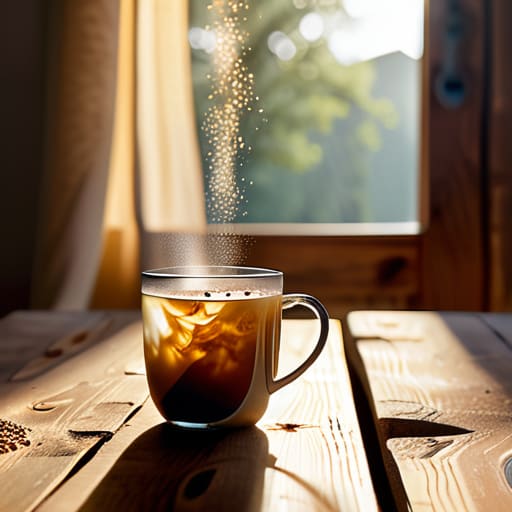
Finding Your Own Steady Pace.

As I look back on what we’ve discussed, it isn’t about a strict, clinical ban on your favorite morning brew. It is about understanding how that caffeine lingers in your system long after the cup is empty, and learning how to reclaim your natural energy from the rollercoaster of highs and crashes. We talked about respecting the half-life of the stimulant and the importance of a gradual, gentle reduction rather than a sudden, jarring stop. By making these small, intentional shifts, you aren’t just managing a substance; you are recalibrating your internal clock to work with your body rather than against it.

At the end of the day, I hope you find that the stillness you’re seeking isn’t something you need to be jolted into. There is a profound, quiet strength in being able to sit on a park bench or watch the sun dip below the horizon without needing a chemical nudge to stay present. Let this be an invitation to embrace the quietude that comes when the jitters fade away. Life is far too beautiful to experience through a lens of constant, artificial urgency; instead, I hope you find the grace to simply be, exactly as you are, one slow, steady breath at a time.

Frequently Asked Questions

How do I manage those inevitable morning headaches when I decide to skip my usual cup?

Those morning headaches are a stubborn little nuisance, aren’t they? It feels a bit like a structural flaw you can’t quite engineer away. When they hit, don’t fight them with more caffeine—that just keeps the cycle spinning. Instead, try sipping on cool water and stepping outside for a few minutes of fresh air. Sometimes, just focusing on a quiet view or a bit of stretching can help ease that tension until it passes.

Are there any specific herbal teas or natural alternatives that actually feel satisfying rather than just like "watery coffee"?

I’ve found that if you’re looking for something with a bit of “heft,” peppermint or ginger teas are wonderful. They have a natural bite that keeps your palate engaged. If you miss that roasted, earthy depth of a morning brew, try a high-quality roasted dandelion root tea. It’s dark, rich, and surprisingly satisfying. It doesn’t feel like a compromise; it feels like a different kind of ritual entirely.

Will cutting back on caffeine actually help me sleep better, or am I just trading one habit for another?

It’s a fair question, and one I wrestled with myself. It’s easy to feel like you’re just swapping one crutch for another, but there is a real difference. Caffeine doesn’t just keep you awake; it masks the exhaustion that a natural sleep cycle would otherwise resolve. When you step back from the jitters, you aren’t just trading habits—you’re finally allowing your body to listen to its own quiet, honest rhythm.

The Essence of Thai Street Food Culture

I was sitting on a low, wobbling plastic stool in a narrow Chiang Mai alleyway last Tuesday, the kind of place where the humidity clings to you like a damp wool blanket. The air was thick with the scent of charred lemongrass and fermented fish sauce, a chaotic symphony of smells that would probably terrify someone looking for a white tablecloth. As I watched a woman move with practiced, rhythmic grace behind a cloud of steam, I realized that most people approach thai street food with far too much hesitation. They see the crowded sidewalks and the makeshift tables and think “chaos,” when they should be seeing the most honest expression of culinary soul imaginable.

I’m not here to give you a polished list of the most “Instagrammable” spots or guide you toward the overpriced tourist traps that try to sanitize these flavors. Instead, I want to share what I’ve learned from wandering these streets with nothing but my notebook and a hungry stomach. I’ll show you how to spot the real gems, how to embrace the beautiful mess of it all, and why a simple bowl of noodles on a street corner can be a profoundly grounding experience. Let’s slow down and find the real flavor together.

Table of Contents

Finding Soul in Authentic Thai Street Snacks

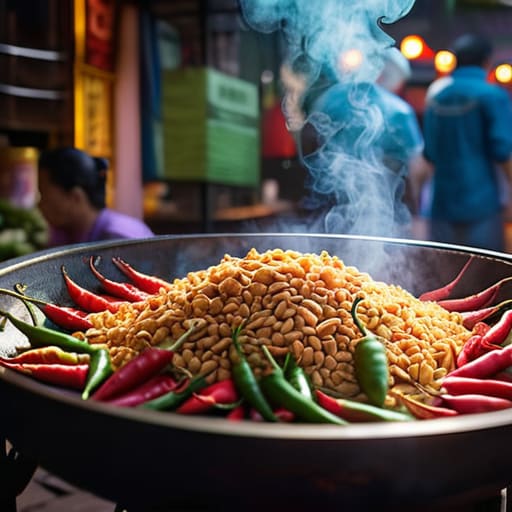
Finding Soul in Authentic Thai Street Snacks.

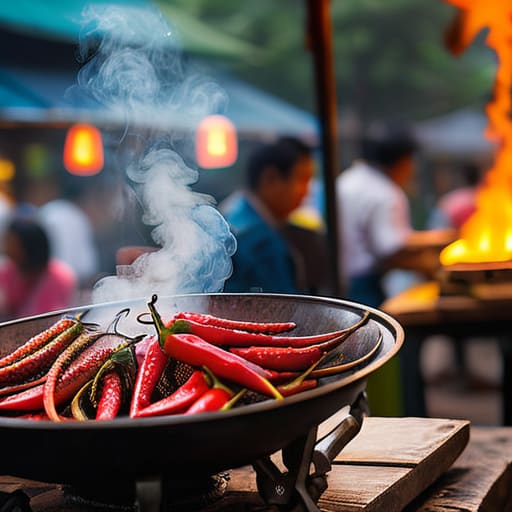
I found myself drifting away from the main thoroughfares one evening, following the scent of toasted coconut and charred garlic into a narrow alleyway. It’s in these smaller, less-manicured corners that you truly encounter authentic thai street snacks. I sat on a low wooden stool, my leather-bound notebook resting on my knee, and watched an elderly woman deftly fold thin layers of dough around a sweet filling. There was no rush in her movements, just a rhythmic, practiced grace that spoke of decades spent perfecting a single craft.

As I nibbled on a warm, crispy crepe, I realized that these small bites are more than just quick sustenance; they are the heartbeat of the local culture. While many travelers spend their time scouring a bangkok street food guide for the biggest names, the real soul of the city often hides in these unassuming bites. Whether it’s a handful of salt-crusted peanuts or a small bowl of coconut custard, these flavors are deeply rooted in thai culinary traditions. They remind me that the best things in life don’t need a silver platter—they just need a little bit of heat and a lot of heart.

Tracing Thai Culinary Traditions Through Every Bite

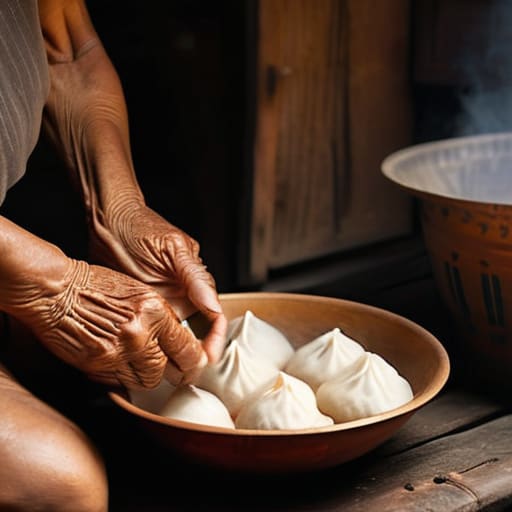
Tracing Thai Culinary Traditions Through Every Bite.

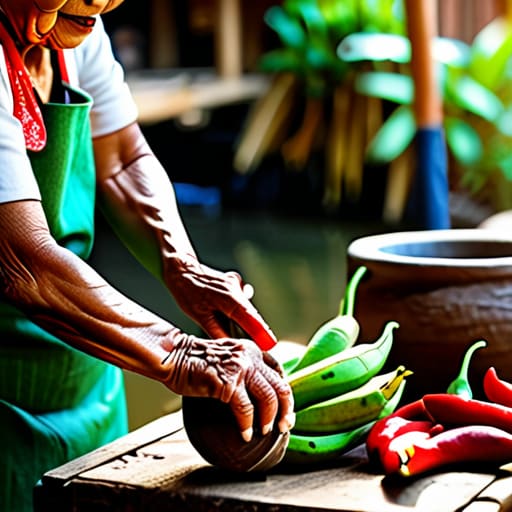
I sat by the edge of a canal yesterday, watching an elderly woman deftly fold banana leaves with a precision that only decades of repetition can grant. It struck me then that these stalls aren’t just businesses; they are living archives of thai culinary traditions. You can taste the history in the way a certain curry paste is pounded by hand, or how the heat of a chili is balanced by a squeeze of lime—techniques passed down through generations like a family heirloom. It’s a slow, rhythmic process that stands in stark contrast to the frantic pace of the modern world.

As I moved through the narrow alleys, I realized that finding the best night market foods isn’t just about satisfying hunger. It’s about witnessing a lineage of flavor. Whether it’s a vendor perfecting a recipe for mango sticky rice or a young man mastering the art of the charcoal grill, there is a profound respect for the ingredients. These small, flickering stalls serve as a reminder that true quality doesn’t need a polished storefront; it only needs a bit of patience and a deep connection to one’s roots.

A Few Lessons Learned from the Sidewalks

  • Follow the crowd, but not the tourists. If you see a line of locals standing on a street corner waiting for a specific vendor, pull up a stool. That crowd is the best indicator of quality you’ll ever find, and it usually means the ingredients are being turned over fast and fresh.
  • Embrace the plastic stool. I know, it’s not exactly the ergonomic seating I’m used to, but there’s a certain humility in it. Sitting low to the ground puts you right in the thick of the action—the sizzle of the wok, the chatter of neighbors, and the true rhythm of the city.
  • Keep a little cash handy and don’t be afraid of the heat. Most of these wonderful stalls don’t deal in cards, and the humidity can be a bit of a shock to the system. Just take it slow, find a bit of shade if you can, and let your appetite guide you.
  • Don’t be afraid to ask for “mai pet” if you aren’t feeling brave. I’ve learned the hard way that “a little spicy” in Thailand can mean something very different than it does back in Michigan. It’s perfectly okay to ask for a milder version so you can actually taste the lemongrass and ginger instead of just the fire.
  • Bring your curiosity (and maybe a notebook). I find that the best part of eating street food isn’t just the flavor, but the way the light hits the steam or the way a vendor moves with such practiced grace. Take a moment to just watch before you dive in; it makes the meal taste even better.

A Few Thoughts to Carry With You

Don’t let the lack of a menu or a formal table discourage you; the best flavors in Thailand are often found where the seating is humble and the steam is thick.

Treat every street stall as a small, living history lesson, where the recipes passed down through generations tell a deeper story than any guidebook ever could.

Above all, remember to put the phone away and just sit. The real magic isn’t just in the spice of the food, but in the rhythm of the street and the quiet joy of being present.

The Wisdom of the Wok

You don’t need a white tablecloth to find something profound; sometimes, all it takes is a chipped ceramic bowl, the rhythmic clinking of a spatula against iron, and the realization that the best things in life are often served on a sidewalk under a dim light.

Bernard Oyelaran

A Final Taste of the Slow Life

A Final Taste of the Slow Life.

Looking back on these steaming bowls and sun-drenched stalls, I realize that Thai street food is so much more than just a convenient way to grab a quick lunch. It is a living, breathing map of the country’s history, told through the balance of lime, chili, and coconut milk. We’ve explored how these snacks carry the weight of tradition and how every vendor, from the lady with the heavy iron wok to the man slicing mangoes with surgical precision, acts as a guardian of a deeply cherished heritage. To eat this way is to understand that the best flavors aren’t found in a sanitized kitchen, but in the unfiltered rhythm of the streets.

As I sit here in this small corner of Bangkok, sketching the way the evening light hits a stack of ceramic bowls, I’m reminded of why I started traveling this way in the first place. It isn’t about checking destinations off a list; it’s about the connection we find when we stop rushing. Whether you are halfway across the world or just down the street from your own home, I hope you find the courage to sit still and savor. Don’t just eat to fuel yourself; eat to truly notice the world around you. After all, the most profound stories are often found in the simplest of bites.

Frequently Asked Questions

How do I know which street stalls are safe to eat at without feeling like I'm taking too big of a risk?

I used to overthink things like this back when I was managing construction sites, looking for every possible flaw. But with street food, I’ve learned to trust my eyes. Look for the stalls with a steady, local crowd—if the regulars are lining up, the food is fresh and the turnover is high. Most importantly, watch the cook. If they’re working with a sense of rhythm and cleanliness, you’re in good hands.

Are there certain times of day or specific neighborhoods where the best food stalls tend to gather?

It really depends on the rhythm of the city. If you’re looking for that early morning energy, head to the local markets near the residential areas; there’s something special about a steaming bowl of congee as the sun comes up. But for me, the real magic happens after sunset. I find myself drifting toward the older neighborhoods, where the streetlights flicker on and the stalls set up shop, turning quiet alleys into vibrant, communal dining rooms.

I'm not much of a spice enthusiast—how do I navigate these menus without overwhelming my palate?

I understand that hesitation; my palate isn’t quite as adventurous as some of the younger folks I meet. When the heat starts to feel daunting, I look for dishes centered on coconut milk—like a gentle massaman curry—or stick to the savory comfort of Pad See Ew. Just tell the vendor “mai pet” (not spicy), but don’t be afraid to ask for a side of jasmine rice to act as a buffer. Slow and steady wins the race.