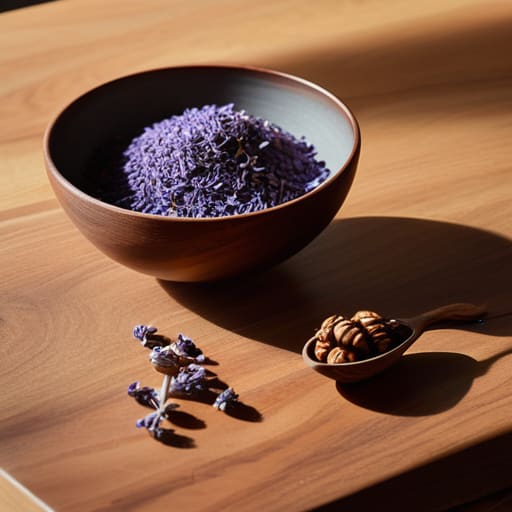
The Connection Between Food and Your Mood

I remember sitting in a dusty site trailer back in ’94, surrounded by blueprints and the smell of stale coffee, feeling a heaviness in my chest that no amount of caffeine could lift. I used to think my temperament was just a byproduct of a high-pressure career, but I was wrong. It turns out, the connection between food and mood isn’t some mystical secret found in a $20 green juice or a complex supplement regimen; it’s much more grounded than that. I spent years ignoring how a heavy, greasy lunch could leave me feeling mentally sluggish and gray, only to realize that what I put on my plate was directly dictating the weather inside my own head.

I’m not here to give you a lecture on macronutrients or peddle any expensive dietary fads that promise instant enlightenment. Instead, I want to share what I’ve learned through decades of trial, error, and a lot of slow walks through local markets. I’ll be sharing some straightforward, practical observations on how simple, honest meals can help steady your nerves and clear the fog. We’re going to look at how to eat in a way that honors both your body and your peace of mind, one bite at a time.

Table of Contents

Finding Stillness Through the Gut Brain Axis Connection

Finding Stillness Through the Gut Brain Axis Connection

I remember sitting in my office back in Detroit, staring at blueprints and feeling that familiar, jagged edge of anxiety. I used to think it was just the stress of the job, but looking back, I realize my body was trying to tell me something. There is this fascinating concept called the gut-brain axis connection that explains why we feel so much in our stomachs. It turns out our digestive system and our mind are in a constant, whispered conversation. When I was living on black coffee and quick sandwiches, that conversation was mostly shouting.

Now, I try to listen to what my body actually needs to stay level. I’ve found that keeping things steady—watching how blood sugar and emotional stability are linked—makes a world of difference. Instead of the mid-afternoon crash that used to leave me irritable, I opt for something more grounding. Incorporating more serotonin producing foods, like a handful of walnuts or some fermented yogurt, feels less like “dieting” and more like tending to a garden. It’s about providing the right soil so the rest of the plant can actually bloom.

Nourishing the Soul With Serotonin Producing Foods

Nourishing the Soul With Serotonin Producing Foods

I’ve often found that when the world feels a bit too loud, my first instinct is to reach for something simple and grounding. It turns out there is a bit of science behind that instinct. We often talk about happiness as an abstract concept, but it’s frequently tied to the very things we put on our plates. I’ve started paying more attention to serotonin producing foods, like walnuts or even a bit of dark chocolate, realizing they aren’t just treats, but tools for a steadier mind.

It isn’t just about a single ingredient, though; it’s about the rhythm of how we eat. I noticed long ago that a heavy, sugary snack might give me a quick lift, but the inevitable crash leaves me feeling frayed and impatient. Keeping a steady hand on blood sugar and emotional stability has become a quiet priority for me. Now, I look for those slow-burning meals—oats, seeds, and greens—that keep my energy as level as a well-laid foundation. It’s a small, daily way to practice a bit of self-care without making a fuss about it.

Simple Ways to Eat for a Brighter Outlook

  • Don’t let a busy schedule turn your lunch into a rushed affair; even if it’s just fifteen minutes, sit down, put your phone away, and actually taste what’s on your plate.
  • Keep your blood sugar from crashing like a poorly designed bridge by reaching for slow-burning grains or nuts instead of those sugary snacks that leave you feeling hollow an hour later.
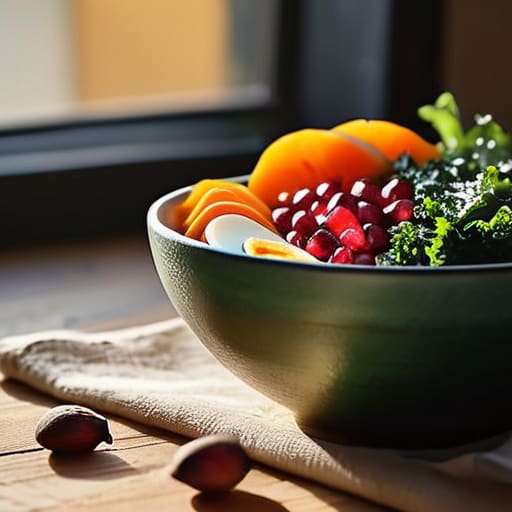
  • Make it a point to include something green or colorful in your meals, because there’s a certain quiet satisfaction in knowing you’re giving your body the real fuel it needs to stay steady.
  • Treat hydration like any other essential maintenance—sip on water throughout the day to keep that mental fog from settling in.
  • Listen to your body’s cues rather than the clock; sometimes we eat because we’re bored or stressed, but learning to distinguish true hunger from a restless mind can change everything.

A Few Small Things to Carry With You

Don’t let the rush of the day dictate your plate; even a simple, intentional meal can act as an anchor when things feel chaotic.

Listen to your body’s quiet signals—sometimes a dip in your spirit is just a sign that you’ve been neglecting the fuel that keeps your mind steady.

Focus on the quality of what you consume, choosing real, nourishing foods that feed both your physical strength and your inner peace.

The Quiet Alchemy of a Table Set

We often treat eating like a chore to be checked off a list, but there is a quiet kind of medicine in a well-prepared meal; it’s more than just fuel for the body, it’s a way to settle the mind and remind ourselves that, for a moment, everything is exactly as it should be.

Bernard Oyelaran

A Final Thought from the Table

A Final Thought from the Table.

Looking back at everything we’ve discussed, it’s clear that the connection between what we eat and how we feel isn’t just some abstract scientific theory. It’s something we experience every single day, often without realizing it. From the way our gut health acts as a second brain to the quiet power of those serotonin-boosting foods, our plates are essentially the foundation for our emotional resilience. I’ve learned through my own years of rushing from one project to the next that you can’t build a steady life on a shaky foundation. We have to honor the biological rhythm of our bodies by choosing ingredients that actually support our peace of mind, rather than just fueling a frantic pace.

As I sit here in this little café, watching the light shift across the wooden table, I’m reminded that nourishment is about much more than just calories. It’s about the intention we bring to the act of eating. Next time you feel the world starting to spin a little too fast, I encourage you to step away from the screen, put down the phone, and simply taste your food. Treat your next meal as a small, sacred ritual of self-care. After all, life is far too short to rush through the very things that are meant to sustain us.

Frequently Asked Questions

Are there certain heavy, comforting foods we grew up with that might actually be making our moods more unpredictable?

It’s a fair question, and one I’ve had to ask myself. There’s something deeply nostalgic about a heavy, cream-laden pasta or a thick slice of buttery toast—the kind of things my mother used to make on rainy afternoons. But I’ve noticed that those “comfort” meals often leave me feeling sluggish and a bit foggy an hour later. Those sugar and fat spikes can lead to a real emotional dip, making our moods feel like a seesaw.

How much of a difference does it really make to eat mindfully versus just focusing on the ingredients themselves?

It’s a bit like the difference between looking at a blueprint and actually walking the site. You can know every ingredient on the plate—the technical specs, so to speak—but that’s not the same as truly experiencing the meal. When I sit down and actually notice the texture of a crusty loaf or the way a sauce coats a spoon, I’m not just fueling my body; I’m signaling to my mind that it’s okay to settle in.

When I'm feeling particularly low, is it better to reach for something quick and easy, or is the effort of cooking a meal part of the healing process?

It’s a bit of a balancing act, isn’t it? On those days when the weight feels too heavy, don’t beat yourself up for grabbing something simple. Sometimes, survival is the priority. But if you can find even a sliver of energy, there is a quiet, meditative magic in the chopping and the stirring. It’s a way of reclaiming yourself. Even if it’s just a simple stew, the act of creating something nourishing can be a small victory.

Signs of Mental Fatigue and Recovery

I remember sitting in a cramped trailer on a highway construction site outside of Des Moines, staring at a blueprint until the lines began to blur into a gray, meaningless smudge. It wasn’t that I was physically exhausted—I could have hauled more rebar if I had to—but my brain felt like it had been scrubbed with sandpaper. That heavy, hollow fog of mental fatigue isn’t something you can just “power through” with another double espresso or a fancy productivity app. It’s a quiet, suffocating weight that tells you your internal engine has simply run out of steam, no matter how much you try to force the gears to turn.

I’m not here to sell you on any complicated wellness retreats or expensive supplements that promise to rewire your brain overnight. Instead, I want to share what I’ve learned from decades of managing chaos and the quiet lessons I’ve picked up in my retirement. I’ll tell you how I navigate those foggy days using nothing more than a bit of patience, a long walk, and the courage to simply stop. We’re going to look at how to find your footing again by slowing down, rather than trying to run faster through the mist.

Table of Contents

Recognizing the Quiet Signs of Decision Fatigue

Recognizing the Quiet Signs of Decision Fatigue.

It usually doesn’t hit you like a sudden storm; it’s more like a slow leak in a tire. You don’t notice you’re losing air until you realize you’re struggling to keep the car on the road. For me, the first real signs of decision fatigue often show up at the most mundane moments. I’ll find myself standing in the grocery aisle, staring at twenty different brands of olive oil, feeling a strange, heavy paralysis. It’s not that the choice is difficult, but rather that my brain simply lacks the fuel to weigh the options anymore.

I’ve noticed that when I’m hitting that wall, my patience for the small things begins to fray. I might snap at a waiter or find myself staring blankly at a landscape I should be sketching, unable to find the right line. These cognitive exhaustion symptoms aren’t just about being tired in the way a long walk makes you sleepy; it’s a specific kind of mental fog that makes every minor choice feel like a monumental task. It’s your mind’s way of quietly signaling that the tank is running low.

The Neuroscience of Mental Tiredness and the Heavy Heart

The Neuroscience of Mental Tiredness and the Heavy Heart.

I’ve never been much of a man for complex biology—my years were spent worrying about load-bearing walls and concrete curing times—but I’ve learned that our brains operate on a similar principle of structural integrity. When we talk about the neuroscience of mental tiredness, we’re really talking about a depletion of resources. It’s as if the battery in one of my old Leica cameras is finally running low; the mechanism still turns, but the movements become sluggish and the light doesn’t seem to hit the sensor quite right.

When we push ourselves too hard, we aren’t just “tired” in the way a muscle feels after a long hike. We are actually struggling with managing cognitive load, where the prefrontal cortex—the part of us that makes the heavy lifting of life possible—simply begins to redline. It’s a biological reality that once we hit a certain threshold, our ability to filter out noise vanishes. You start to feel that heavy, dull ache in your chest, a sense that the world is simply too loud to process. It isn’t a failure of will; it’s just the brain asking for a moment of silence.

A few ways to lighten the load

  • Give your eyes a break from the digital hum. I’ve found that sitting on a porch or by a window, just watching the way the light shifts through the trees, does more for a tired brain than any productivity app ever could.
  • Simplify your smallest choices. When the day feels heavy, don’t waste your remaining energy deciding what to wear or what to eat. Pick something reliable and simple—a plain shirt, a bowl of warm oats—and save your mental strength for the things that actually matter.
  • Take a walk without a destination. There’s a particular kind of magic in a slow stroll where you aren’t checking a watch or a pedometer. Just let your feet find their own rhythm on the pavement; it helps the mental fog lift.
  • Put the notebook to use. Sometimes the brain feels cluttered because we’re trying to hold onto too many fragments of thought. I find that sketching a simple landscape or even just jotting down a few lines in my leather notebook helps move that weight from my head onto the paper.
  • Embrace the art of doing absolutely nothing. We’ve been conditioned to think that every minute must be “useful,” but that’s a recipe for burnout. Allow yourself ten minutes of pure, unhurried stillness—no podcasts, no reading, just being.

A few things to carry with you

Listen to your body before it starts shouting; that irritability or the sudden urge to retreat is often just your mind asking for a moment of silence.

Don’t mistake constant movement for progress, as pushing through a mental fog only leads to more mistakes and a heavier heart.

Find small, tactile ways to ground yourself—whether it’s the weight of a camera in your hands or the warmth of a coffee mug—to pull your focus back from the noise.

The weight of a cluttered mind

Mental fatigue isn’t a sudden crash like a power outage; it’s more like a slow, steady leak in a reservoir, until one day you look up and realize you’ve run dry, leaving nothing but the dust of a thousand small decisions behind.

Bernard Oyelaran

Finding Your Way Back to Stillness

Finding Your Way Back to Stillness.

Looking back at everything we’ve discussed, it’s clear that mental fatigue isn’t just a lack of sleep or a busy schedule. It’s that subtle, creeping exhaustion that comes from making too many choices, carrying too much weight in your thoughts, and ignoring the way your brain is signaling for a reprieve. Whether it’s the physiological strain on your nervous system or that heavy, unexplainable fog that settles over your afternoon, these are not signs of weakness. They are simply reminders from your body that you have been running a marathon without a finish line in sight. Recognizing these signs is the first step toward reclaiming your clarity.

As I sit here in this small cafe, watching the light shift across my notebook, I am reminded that we weren’t built to be machines of constant output. We are meant to pause. If you find yourself feeling worn thin today, please don’t try to power through it with more caffeine or sheer willpower. Instead, give yourself permission to simply be still. Go for a walk without a destination, sit on a porch and watch the clouds, or let a good meal be the only thing on your mind for an hour. The world will still be there when you return, but you will be much better equipped to meet it.

Frequently Asked Questions

Is there a way to tell if I'm just physically tired from a long day or if my mind is actually the thing that needs a rest?

It’s a fine distinction, isn’t it? If your limbs feel heavy and your eyes want to close, that’s usually just the body asking for sleep. But if you find yourself staring at a menu for ten minutes, unable to choose between soup or salad, or if a simple question feels like a mountain you can’t climb—that’s your mind. Physical tiredness craves a bed; mental fatigue craves silence and a break from the noise.

Can certain types of food or specific ways of eating help lift that heavy, foggy feeling in my head?

I’ve found that when the fog settles in, reaching for something sugary is a trap—it feels like a quick fix, but it only leaves you more hollow later. Instead, I lean toward things that feel grounding. A bowl of warm, hearty oats or even just some walnuts can steady things. More importantly, it’s about the ritual. Sit down, put the phone away, and actually taste your food. Eating with intention helps clear the haze.

Are there simple, small things I can do during a busy day to stop that mental exhaustion before it completely takes hold?

When the fog starts to roll in, don’t try to power through it. I’ve learned that the best remedy isn’t a grand gesture, but a small pivot. Step away from the screen for five minutes. Step outside, find a patch of sunlight, and just breathe. Even something as simple as the rhythmic motion of sketching a tree in my notebook or feeling the weight of a warm mug in my hands can pull me back to center.

The Role of Vitamin D in Wellbeing

I was sitting on a park bench in Michigan last November, watching the grey clouds hang heavy over the lake, when I realized I felt more like a rusted piece of machinery than a man. My joints were stiff, my mood was sinking faster than the sun, and I felt that familiar, heavy fog settling into my bones. It wasn’t just the cold; it was that deep, seasonal drain that comes when you realize you’ve been hiding indoors for far too long. We often treat health like a complex engineering problem that requires expensive supplements and complicated science, but we tend to overlook the simple vitamin d importance that comes from just feeling the light on our skin.

I’m not here to sell you some miracle pill or a subscription to a high-priced wellness regime. What I want to do is cut through the noise and talk about how we can practically reclaim that sense of vitality through simple, intentional living. I’ll share what I’ve learned about finding the balance between a little bit of sunlight and the right nutrients to keep our spirits up. My goal is to help you understand the real-world benefits of getting your levels right, so you can get back to enjoying the long walks and quiet moments that actually make life worth living.

Table of Contents

Reading the Signs Noticing Vitamin D Deficiency Symptoms

Reading the Signs Noticing Vitamin D Deficiency Symptoms.

It’s funny how we often treat our bodies like old machinery—ignoring the little rattles and creaks until something major breaks. For a long time, I just chalked up my afternoon slumps and that persistent, heavy feeling in my bones to “getting older.” But looking back, those were likely my body’s way of whispering about vitamin d deficiency symptoms. It isn’t always a sudden crash; sometimes it’s just a quiet, nagging fatigue that makes even a short walk to the local bakery feel like a mountain climb.

I’ve learned that when we aren’t getting enough, our internal systems start to lose their rhythm. There is a direct link between calcium absorption and vitamin d, so when those levels dip, your bones can start to feel much more brittle than they ought to. It’s a bit like trying to build a bridge with substandard materials; eventually, the structural integrity suffers. If you find yourself feeling unusually sluggish or noticing your mood dipping alongside your energy, it might be time to stop and listen to what your body is actually trying to tell you.

Finding Balance Through Optimal Vitamin D Levels

Finding Balance Through Optimal Vitamin D Levels

It’s a bit like maintaining an old bridge; you don’t wait for a crack to appear in the foundation before you start thinking about reinforcement. Achieving optimal vitamin d levels isn’t about a sudden surge, but rather a steady, intentional upkeep. I’ve found that it’s much easier to stay balanced than it is to scramble to fix a deficit once you’re already feeling the fatigue. For me, that balance comes from a mix of small, daily habits—like sitting on the porch with my notebook for twenty minutes or adding a bit more fatty fish to my dinner.

I also try to keep in mind how everything in the body works together, much like the interconnected systems in a civil engineering blueprint. For instance, I’ve learned that calcium absorption and vitamin d are deeply linked; one simply can’t do its job effectively without the other. It’s a reminder that our health isn’t just about one single nutrient, but about how these different elements support one another to keep the whole structure sound and resilient.

Small Ways to Invite the Light Back In

  • Don’t be afraid to sit on a park bench for twenty minutes just to feel the sun on your skin; those few minutes of direct light do more for your spirit than a dozen supplements ever could.
  • When you’re out for your morning walk, try to time it with those golden hours when the sun is a bit lower; it’s better for your skin and a wonderful way to start the day with a bit of warmth.
  • Check in with your doctor before you start grabbing every bottle of pills on the pharmacy shelf; it’s better to know your actual numbers rather than just guessing in the dark.
  • Keep an eye on what’s on your plate, too—adding a bit of fatty fish or a well-fortified breakfast can be a quiet, delicious way to support your levels without making a fuss.
  • If you find yourself stuck indoors more than usual, especially during those grey Midwest winters, treat your vitamin D like a necessary piece of gear, much like a sturdy pair of boots; it’s just something you need to keep the foundation solid.

A Few Small Reminders for the Road Ahead

Listen to your body when it feels a bit heavy or weary; those aches and moods are often just your way of asking for a little more sunlight and a bit more care.

Don’t feel like you have to overhaul your entire life at once—sometimes just a fifteen-minute walk during the lunch hour or a few moments of quiet sun on your face is enough to shift the gears.

Treat your health like a well-built bridge; it requires steady, consistent maintenance rather than sudden, frantic repairs, so keep checking in with your doctor to find that sweet spot for your own needs.

A Little Light for the Soul

We often treat our health like a complex engineering problem to be solved with blueprints and data, but sometimes the most vital thing we can do is simply step out of the shadows and let a little sunlight settle into our bones.

Bernard Oyelaran

A Final Thought Before You Step Outside

A Final Thought Before You Step Outside

As I look back on everything we’ve discussed, it’s clear that managing your Vitamin D isn’t just about checking a box on a medical chart or chasing a specific number in a blood test. It’s about recognizing those subtle signals your body sends—the lingering fatigue, the low moods, or that heavy feeling in your bones—and listening to them. Whether you choose to supplement after a chat with your doctor or focus on getting more time outdoors, the goal is to find that steady equilibrium that keeps your systems running smoothly. It really comes down to nurturing the foundation of your health so you have the energy to actually live the life you’ve built.

I’ll leave you with this: don’t let the complexities of modern health advice overwhelm you. Sometimes, the best medicine is as simple as a quiet stroll through the park during that golden hour when the sun feels heavy and warm on your shoulders. Put down the phone, leave the heavy lifting for tomorrow, and just soak in the light for a few minutes. We spend so much of our lives rushing toward the next big milestone that we forget that vitality is found in the small, sun-drenched moments right in front of us. Go on, step outside; the sun is waiting.

Frequently Asked Questions

Is it better to get my vitamin D from a morning walk in the sun or should I be looking into supplements instead?

If you can, nothing beats that morning stroll. There’s a certain magic in feeling the sun on your skin while the world is still waking up; it’s good for the bones and even better for the spirit. However, I’ve learned that we can’t always rely on the weather. If you’re living through a gray winter, a supplement might be a wise companion to ensure you’re staying steady and strong.

How much time do I actually need to spend outdoors to make a real difference in my levels?

I used to think it was all or nothing, but it’s more about consistency than intensity. For most of us, about fifteen to twenty minutes of midday sun on your arms and face a few times a week can do wonders. I find that sitting on a park bench with my notebook during lunch is just enough. It’s not about a marathon; it’s just about letting the light touch your skin.

Are there certain foods I should keep in my pantry to help boost my intake naturally?

I’ve found that a well-stocked pantry makes these small health goals feel much less like a chore. I always keep a few tins of sardines or mackerel on hand—they’re simple, savory, and packed with what we need. A jar of high-quality fortified nutritional yeast is another great one; I like to sprinkle it over a warm bowl of oats or veggies. It’s about those small, reliable staples that nourish you quietly.

How Culinary Storytelling Preserves Family Heritage

I was sitting in a small bistro in Lyon last spring, watching a young man at the next table try to film his pasta for a social media video. He spent ten minutes adjusting the lighting and the angle, treating his meal like a construction site inspection rather than a dinner. It struck me then how much we’ve lost to the spectacle. People talk about culinary storytelling as if it requires expensive cameras or a carefully curated lifestyle, but that’s just a hollow way of looking at it. To me, true storytelling isn’t about the production value; it’s about the way a single bite of sourdough can transport you back to your grandmother’s kitchen on a rainy Tuesday.

I’m not here to teach you how to market a brand or chase digital trends. Instead, I want to share what I’ve learned from a lifetime of observing the small, quiet details that make a meal meaningful. I’ll show you how to find the narrative in the simple textures and honest flavors that actually connect us to one another. We’re going to strip away the hype and focus on how to use food to tell the stories that actually matter.

Table of Contents

Finding the Emotional Connection to Food Through Narrative Gastronomy

Finding the Emotional Connection to Food Through Narrative Gastronomy

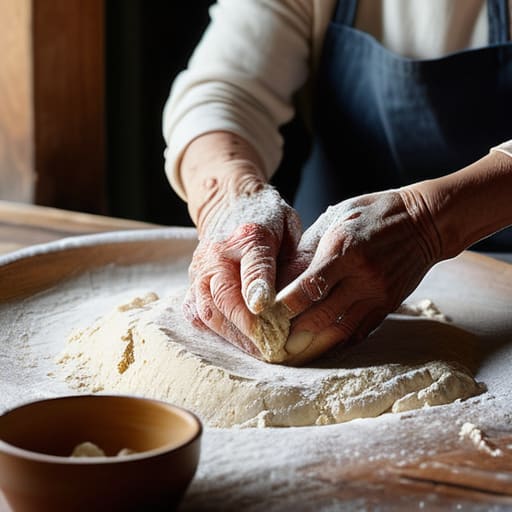
I remember sitting in a small, sun-drenched kitchen in rural Tuscany years ago, watching an elderly woman knead pasta dough with hands that looked like topographical maps. She didn’t use a timer or a scale; she simply listened to the dough. That was my first real lesson in narrative gastronomy. It wasn’t just about the flour and eggs; it was about the decades of muscle memory and the stories passed down through her fingertips. When we eat, we aren’t just consuming calories; we are participating in a lineage.

To truly taste something, you have to look past the plate and find the emotional connection to food that lies beneath. It’s the way a certain spice can instantly transport you back to your grandmother’s dining room, or how a specific crusty bread reminds you of a rainy afternoon in Ann Arbor. By engaging in sensory food writing—not just in journals, but in our own minds—we begin to realize that every recipe is a vessel for memory. We aren’t just eating; we are honoring the people and the places that brought that flavor to life.

Savoring the Sensory Food Writing of a Perfect Afternoon

Savoring the Sensory Food Writing of a Perfect Afternoon.

Yesterday, I found myself sitting in a small, sun-drenched cafe in a quiet corner of the village, watching the steam rise from a bowl of slow-simmered lentil soup. As I sat there, sketching the way the light hit the chipped ceramic rim in my notebook, I realized that truly great food writing isn’t about the ingredients on a list; it’s about the sensory food writing that makes you feel the warmth of the bowl against your palms. It’s about describing the way the scent of toasted cumin drifts through the air, pulling a memory of a childhood kitchen from a dusty corner of your mind.

When we write about what we eat, we are doing more than just documenting a meal; we are engaging in a form of gastronomic heritage storytelling. We are capturing the crackle of crusty bread and the specific, sharp tang of a local cheese that tells the story of the land it came from. By focusing on these small, textured details, we bridge the gap between a simple bite and a profound emotional connection to food, ensuring that the soul of the meal lives on long after the plate is cleared.

Five Ways to Find the Story on Your Plate

  • Start with the hands, not the ingredients. Instead of just listing what’s in the pot, think about the person who grew the tomatoes or the way your mother’s hands moved when she kneaded dough. It’s the human touch that gives a meal its soul.
  • Look for the imperfections. A perfectly symmetrical cake is fine for a magazine, but a slightly charred crust or a bruised peach tells a much better story about heat, time, and the reality of nature. Don’t hide the flaws; they are where the character lives.
  • Connect the flavor to a memory. A single bite of rosemary can transport you back to a specific afternoon in a garden twenty years ago. When you write or cook, try to find that bridge between the taste on your tongue and a moment in your past.
  • Use the quiet sounds of the kitchen. A story isn’t just about sight; it’s the rhythmic chop of a knife on a wooden board or the gentle hiss of garlic hitting warm oil. These small, sensory details act as the soundtrack to your culinary narrative.
  • Slow down the process. You can’t tell a story if you’re rushing to finish the meal. Take a moment to sit, observe the light hitting the steam rising from your bowl, and let the experience settle before you try to put it into words.

Lessons from a Slow Table

Don’t just eat for fuel; eat for the story. Whether it’s a recipe passed down from your grandmother or the way the light hits a bowl of soup, look for the history behind the meal.

Engage all your senses to truly be present. The crunch of crusty bread or the scent of rosemary isn’t just background noise—it’s the language the food is using to speak to you.

Leave room for the quiet moments. The best part of a meal isn’t always the food itself, but the stillness and the small, unhurried observations that happen between bites.

The Memory in the Meal

A recipe might tell you how much salt to use, but it’s the story behind the meal—the way the steam rises in a kitchen on a rainy Tuesday, or the specific way your grandmother hummed while stirring the pot—that actually feeds the soul.

Bernard Oyelaran

The Last Bite and the Long View

The Last Bite and the Long View.

As I sit here in this small cafe, watching the light shift across my notebook, I’m reminded that culinary storytelling isn’t about grand gestures or fancy plating. It’s about that thread of connection we’ve discussed—the way a specific spice can transport you back to your grandmother’s kitchen, or how the texture of a crusty loaf tells the story of the baker’s morning. We’ve looked at how narrative gastronomy touches our emotions and how the sensory details of writing can make a meal feel truly alive. Ultimately, it is the marriage of memory and flavor that turns a simple act of eating into a profoundly human experience.

So, the next time you sit down at a table, I encourage you to do more than just eat. Put down the phone, ignore the rush, and try to find the story hidden in your bowl. Whether it’s the history of a grain or the quiet joy of a shared laugh over coffee, there is a world of meaning waiting to be discovered if you only take the time to look. Life moves fast enough as it is; don’t forget to savor the details and write your own story, one bite at a time.

Frequently Asked Questions

How do I start sharing the stories behind my family recipes without it feeling forced or overly sentimental?

Don’t try to write a grand epic. Just start with the small, messy details. Instead of saying, “This recipe represents my heritage,” tell me about the way my mother’s hands looked when she kneaded the dough, or the specific smell of the kitchen on a rainy Tuesday. Focus on the sensory bits—the chipped ceramic bowl or the way the steam fogged up my glasses. If you stick to the truth of the moment, the sentiment will find its own way.

Can you suggest some ways to better describe the textures and smells of a meal when I'm writing in my notebook?

When I’m sitting there with my notebook, I try to move past words like “delicious” or “good.” Instead, I think about how a texture feels against the roof of my mouth—is it a crisp, sudden snap or a slow, velvety melt? For smells, I look for the history in them. Does the rosemary smell like a sun-drenched garden, or does the toasted bread carry that deep, yeasty warmth of a kitchen at dawn?

Is there a way to use culinary storytelling to connect more deeply with people who might not share my specific cultural background?

That’s a thoughtful question. I’ve found that while the spices or ingredients might be unfamiliar, the feeling behind them usually isn’t. You don’t need to explain the history of a specific dish to talk about the warmth of a shared kitchen or the pride of a grandmother’s recipe. Focus on the universal human elements—the ritual, the patience, and the love. When you share the soul of the meal, the cultural boundaries tend to soften.

Breakfast Traditions From Around the World

I remember sitting on a drafty construction site in northern Michigan back in ’88, the kind of morning where the frost clings to your boots and the wind cuts right through your jacket. We didn’t have fancy avocado toasts or those overpriced, deconstructed smoothie bowls you see in the city nowadays. We had heavy ceramic mugs of black coffee and thick slices of sourdough, eaten standing up amidst the roar of diesel engines. To me, those rugged breakfast traditions weren’t about following a trend; they were about fuel and fellowship before the real work began.

I’m not here to sell you on some complicated, expensive morning routine that requires a dozen specialized gadgets. Instead, I want to share what I’ve gathered from my travels and my own quiet mornings—the kind that actually nourish the soul. I’ll be walking you through how different cultures find their footing at the start of the day, focusing on the simple, honest rituals that turn a mere meal into a moment of stillness. We’re going to look at how to reclaim your morning, one bite at a time.

Table of Contents

Tracing the History of Breakfast Rituals Through Time

Tracing the History of Breakfast Rituals Through Time.

When I sit down with my notebook to sketch a particularly interesting storefront, I often find myself wondering how the people sitting at the next table arrived at their current morning habits. The history of breakfast rituals isn’t found in textbooks so much as it is etched into the very way we use our kitchens. For much of human history, the first meal wasn’t a choice of lifestyle, but a matter of necessity—a heavy, functional fuel meant to sustain laborers through grueling daylight hours. In the old days, a morning meal was less about “brunch” and more about survival, often consisting of whatever grains or stews could be repurposed from the night before.

As societies shifted from the fields to the factories, we began to see a fascinating split in savory vs sweet breakfast cultures. In some corners of the map, the morning became a time for hearty, salt-cured meats and eggs to prepare for physical toil, while in others, it evolved into a lighter, more delicate affair of pastries and tea. It’s a slow, winding evolution, but it reminds me that even our most mundane daily habits are actually echoes of our ancestors’ struggles and triumphs.

Finding Stillness in Cultural Breakfast Customs

Finding Stillness in Cultural Breakfast Customs.

When I sit in a small café in a foreign city, I find myself less interested in the menu and more in the rhythm of the room. There is a profound sense of grounding in observing cultural breakfast customs firsthand. In many parts of the world, the morning isn’t a frantic dash toward a laptop; it is a deliberate ceremony. Whether it’s the rhythmic clinking of spoons against porcelain in a Parisian bistro or the slow, communal pouring of tea in a quiet courtyard, these moments act as a necessary anchor before the day’s demands take hold.

I’ve noticed that the divide between savory vs sweet breakfast cultures often tells you everything you need to know about a place’s soul. In some regions, the morning is defined by the hearty, salt-of-the-earth warmth of congee or shakshuka, designed to sustain a person through manual labor. In others, it is a light, sugary affair meant to gently nudge the senses awake. To me, these typical morning food habits aren’t just about nutrition; they are a shared language of stillness that reminds us to breathe.

Small Ways to Bring a Little Morning Intentionality to Your Own Table

  • Don’t reach for the phone before the first sip. I’ve found that the world feels a lot less frantic when you spend those first ten minutes just watching the light change on your coffee mug instead of scrolling through headlines.
  • Embrace the ritual of a single, well-made thing. Whether it’s the slow pour of a French press or the careful slicing of a fresh orange, focusing on one small task can turn a rushed meal into a moment of genuine peace.
  • Reclaim the art of the long breakfast. We often treat breakfast like a pit stop on the way to somewhere else, but if you can, treat it like a destination. Sit down, use a real napkin, and let the meal breathe.
  • Incorporate a bit of sensory history. I like to occasionally use my grandmother’s old heavy ceramic bowls or cook something from a recipe my father used to make. It connects the morning to something larger than the present moment.
  • Notice the details of your surroundings. While I’m sketching in my notebook, I’ve realized that even the way the steam rises from a bowl of porridge has its own quiet beauty. Try to look at your breakfast not just as fuel, but as a scene worth observing.

A Few Thoughts to Carry with You

Don’t let the morning become another item on a checklist; treat your first meal as a deliberate pause before the world starts demanding things from you.

Whether it’s a heavy stew or a simple piece of toast, the food we eat at dawn is a thread that connects us to those who sat at the same table centuries before us.

Look for the small, sensory details—the steam rising from a mug or the crunch of crust—and let them ground you in the present moment.

The Soul of the Morning

“A breakfast tradition is more than just a way to fuel the body; it’s a quiet, rhythmic anchor that tells us we have permission to exist, if only for a few moments, before the rest of the world demands our attention.”

Bernard Oyelaran

The Slowest Part of the Day

The Slowest Part of the Day breakfast.

Looking back at how these rituals have shifted from mere survival to something much more profound, it’s clear that breakfast is rarely just about the calories. Whether it’s the heavy, hearty grains that fueled laborers in centuries past or the delicate, shared pastries of a modern European cafe, these traditions serve as a tether to our shared humanity. We’ve seen how time and geography shape what we put on our plates, but the underlying thread remains the same: a momentary pause before the world demands our full attention. It is in these small, repetitive acts—the pouring of tea, the slicing of bread—that we find a sense of continuity and comfort that transcends borders.

As I sit here by the window, sketching the way the morning light hits my coffee mug, I’m reminded that we don’t need to travel the globe to find meaning. We only need to be present for the meal in front of us. My advice to you is simple: tomorrow morning, don’t just eat to fuel up and run out the door. Instead, treat your breakfast as a sanctuary. Take an extra minute to notice the steam rising from your bowl or the way a piece of toast crunches. In a world that is constantly trying to speed us up, there is a quiet, rebellious joy in simply slowing down.

Frequently Asked Questions

How have modern, fast-paced lifestyles changed the way these traditional morning rituals are practiced today?

It’s a bit of a heartbreak, really. We’ve traded the slow simmer of porridge for the frantic grab of a granola bar in a moving car. I see it often—people staring at screens while they swallow their coffee, missing the very sunlight they’re waking up for. We’ve turned the morning from a sacred pause into a checklist. We’re fueling up to run, rather than sitting down to live.

Are there specific breakfast ingredients that have remained unchanged for centuries in certain parts of the world?

It’s funny how some things simply refuse to change, no matter how much the world rushes by. In the high mountains of Ethiopia, teff flour has been the heartbeat of their morning injera for centuries. Or think of the simple, honest grains in a bowl of congee in East Asia—it’s the same comforting warmth their great-grandparents felt. These ingredients aren’t just food; they are anchors, keeping us connected to the hands that prepared them long ago.

How much of our breakfast culture is shaped by what was historically available locally versus what was traded globally?

It’s a bit of both, really. For most of history, you ate what grew in the dirt right outside your door—hard grains, local eggs, whatever the season allowed. That’s where the soul of a breakfast comes from. But once those trade routes opened up, everything changed. Suddenly, a bit of sugar or a handful of coffee beans could transform a simple morning porridge into something much more complex. It’s that blend of local roots and global wanderlust that makes every morning plate so interesting.