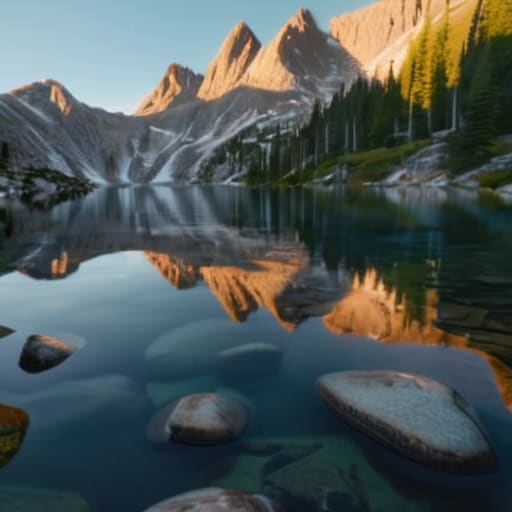
I remember sitting on a weathered bench in the Blue Ridge Mountains last autumn, my fingers stained with graphite from sketching a particularly stubborn pine tree. The air smelled of damp earth and decaying leaves, and for the first time in years, the constant hum of productivity that had driven my engineering career simply fell silent. Most people treat mountain destinations like a checklist of summits to conquer or expensive resorts to endure, rushing from one crowded lookout point to the next as if they’re racing against a stopwatch. They miss the way the light hits a granite face at dusk or the specific, heavy stillness that settles in a valley after a storm.
I’m not here to sell you on the most expensive gear or the most Instagrammed peaks that require a permit and a prayer. Instead, I want to share the kind of quiet, unpretentious wisdom that only comes from traveling with nowhere to be. I’ll guide you toward the mountain destinations where the views are vast, the pace is slow, and the only thing you’ll truly be chasing is a moment of genuine peace.
Table of Contents
Exploring Alpine Ecosystem Exploration With a Slow Heartbeat
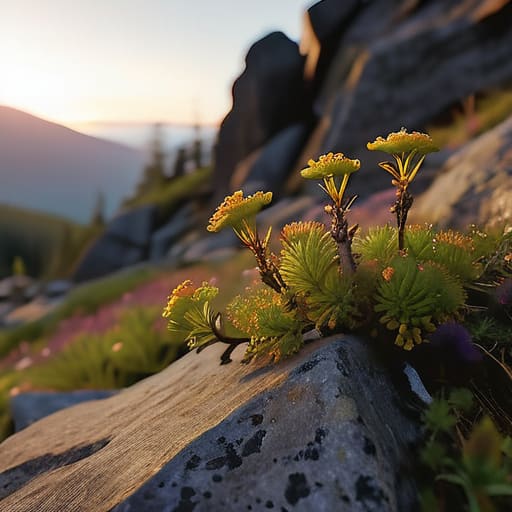
When I first stepped into the high meadows last summer, I realized that most people treat a mountain like a ladder—something to be climbed as quickly as possible to reach a prize at the top. But if you rush, you miss the very things that make the altitude worth it. True alpine ecosystem exploration isn’t about the conquest; it’s about noticing how the wildflowers cling to the granite and how the light shifts across the valleys. I found myself sitting on a lichen-covered rock for nearly an hour, just watching the way the wind moved through the stunted pines.
It takes a certain kind of patience to navigate these mountainous terrain landscapes without feeling the urge to hurry. I’ve learned that the best way to respect the scale of these places is to move at a pace that allows for observation. I often find my hands reaching for my notebook or my old Leica, looking for that perfect moment of mountain peak photography where the shadows stretch long and soft. If you take the time to breathe with the mountain, rather than fighting against it, the world starts to feel much larger and much more intimate all at once.
The Best Mountain Ranges for Travel and Deep Contemplation
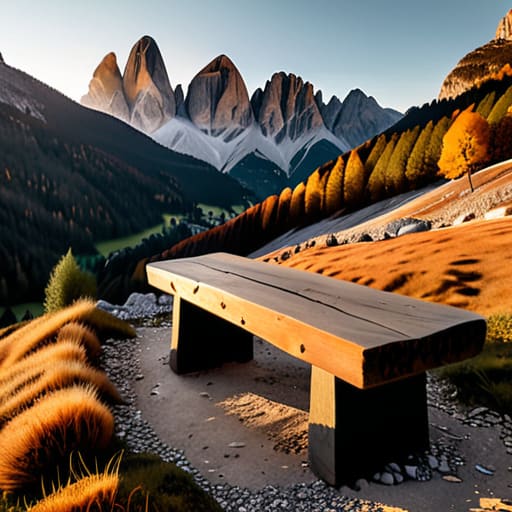
When I look at a map, I don’t see mere topographical lines; I see invitations to sit still. If you are searching for the best mountain ranges for travel that offer more than just a quick photo op, I often find myself drifting toward the Dolomites in Italy. There is a limestone grandeur there that feels almost architectural, a quality my engineering brain can’t help but admire. I spent an afternoon last autumn just sitting on a weathered bench near a small rifugio, watching the light shift across the jagged peaks. It wasn’t about the ascent, but about how the shadows stretched long and slow across the valley floor.
For those who prefer a bit more solitude, the Scottish Highlands offer a different kind of magic. The terrain is rugged and unapologetically moody, perfect for mountain peak photography if you have the patience for the mist. I’ve learned that you don’t need to conquer the highest summit to feel the weight of the world lift. Sometimes, just finding a steady rhythm through the peat and heather is enough to remind you that you are exactly where you need to be.
A Few Small Notes for the Journey
- Pack light, but pack well. I’ve learned the hard way that a heavy rucksack is just an anchor that keeps you from noticing the wildflowers. Stick to the essentials—a sturdy pair of boots, a reliable map, and perhaps a spare roll of film if you’re lucky enough to catch the light just right.
- Respect the rhythm of the altitude. Your lungs might not be used to the thin air, and that’s alright. Don’t try to outpace the locals or the goats; take frequent breaks, sit on a mossy stone, and let your body catch up to the scenery.
- Keep a small notebook in your pocket. There are moments in the mountains—a particular shade of blue in a glacial lake or the way the shadows stretch across a valley—that are too fleeting to capture with a camera alone. Write them down before they slip away.
- Eat when the view calls to you. There is no sense in rushing a hike just to reach a summit by noon. If you find a ledge with a decent view, stop. Unpack a bit of cheese, some crusty bread, and an apple, and treat that simple meal like a feast.
- Listen more than you speak. The mountains have a way of teaching silence. When you reach a high point, try to sit for ten minutes without checking a watch or a phone. Just listen to the wind through the pines and the distant rush of water; it’s the best way to find your center.
Lessons from the High Country
Leave the itinerary behind; the real magic of the mountains happens in the unplanned pauses between the peaks.
Pack light, but bring your senses; a quiet ledge and a steady breath are more valuable than any high-tech gadget.
Remember that the climb isn’t about the summit, but about the way the light hits the valley while you’re catching your breath.
The Wisdom of the Ascent
“We spend so much of our lives trying to conquer peaks and check off summits, but the mountains aren’t there to be defeated. They are there to teach us how to sit still, how to breathe when the air gets thin, and how to realize that the view is always better when you aren’t in a hurry to leave it.”
Bernard Oyelaran
A Quiet Descent from the Peaks
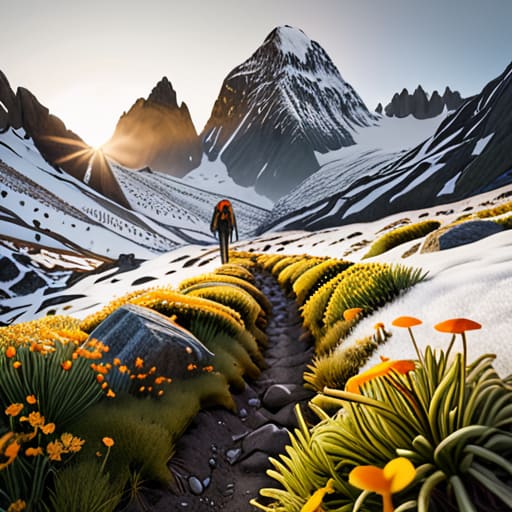
Looking back on the winding trails and the silent, snow-dusted valleys we’ve discussed, it becomes clear that the mountains aren’t just destinations on a map. Whether you are navigating the rugged grandeur of the Rockies or finding solace in the gentle slopes of the Appalachians, the goal remains the same: to move through the landscape with a deliberate and steady pace. We’ve talked about the importance of observing the delicate alpine life and choosing ranges that speak to your soul, but the true essence of mountain travel lies in the intentionality of the journey itself. It isn’t about how many summits you check off a list, but about how many times you stopped to simply breathe.
As I sit here in a small café, sketching the way the light hits the distant ridgeline in my notebook, I am reminded that we carry these mountains back home with us. You don’t need to be standing at ten thousand feet to find that sense of perspective; you only need to remember the stillness you felt when the world seemed to hold its breath. So, when you plan your next escape, please, don’t rush the climb. Pack your boots, bring a good book, and leave plenty of room in your itinerary for the unexpected moments of wonder. After all, the most profound views are often found when we finally stop trying to reach the top and simply learn to be present.
Frequently Asked Questions
How do you manage the physical toll of mountain travel when you aren't looking to break any speed records?
I’ve learned that the secret isn’t in the strength of your legs, but in the rhythm of your breath. I don’t aim for summits anymore; I aim for comfortable strides. I carry more water than I think I need, and I make sure every steep incline is rewarded with a long sit and a decent sandwich. If your knees start to protest, listen to them. There’s no shame in a slower pace when the view is this good.
What kind of gear should I pack if I want to capture the landscape without feeling weighed down by technology?
I’ve learned the hard way that a heavy pack is the enemy of a wandering mind. If you want to capture the view without the digital clutter, bring a single, reliable manual camera—something like an old Nikon FM2 if you can find one. Pair it with a couple of prime lenses and a small notebook. Leave the heavy tripods and endless charging cables behind. If you can’t carry it comfortably on a long walk, it’s just baggage.
Are there specific times of year when the mountains feel more peaceful and less crowded for someone traveling at a slower pace?
If you’re looking to avoid the crowds, I’ve found that the “shoulder seasons” are where the real magic happens. Late spring, when the snow is finally retreating but the summer rush hasn’t begun, offers a quiet awakening. Or, my personal favorite: autumn. There’s a certain stillness in the crisp air as the leaves turn, and you can sit on a bench for an hour without someone bumping your shoulder. It’s just you and the mountains.
