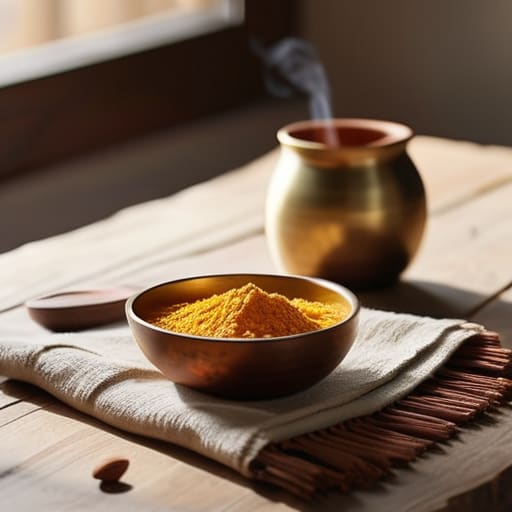
I was sitting in a small, sun-drenched cafe in Kerala last month, watching a local man enjoy a simple meal of rice and lentils, when I realized how much we’ve overcomplicated things back home. Everywhere you look lately, people are selling “ayurvedic lifestyle” packages that cost a small fortune, filled with exotic powders and complicated rituals that feel more like a chore than a way of living. It honestly turns my stomach to see something so grounded and ancient turned into a high-priced wellness trend designed to make you feel like you’re doing it all wrong.
I’m not here to sell you a lifestyle overhaul or a cabinet full of expensive supplements. Instead, I want to share what I’ve gathered from my own slow travels and a lifetime of looking for the simple mechanics of well-being. I’ll be walking you through how to integrate a few practical, common-sense habits into your day—the kind that actually stick. We aren’t looking for perfection here; we are just looking for a bit more rhythm and ease in the way we eat, move, and breathe.
Table of Contents
Finding Peace Through Gentle Dinacharya Daily Routines

I’ve always been a man of schedules—decades of managing construction timelines taught me that if you don’t have a plan, things tend to fall apart. But there is a world of difference between the rigid, stressful clock-watching of my engineering days and the gentle rhythm of a dinacharya daily routine. In Ayurveda, this isn’t about checking boxes to be more productive; it’s about syncing your internal clock with the world around you. I’ve found that simply waking up a bit earlier to watch the light change, or taking a few minutes to scrape my tongue before breakfast, creates a sense of order that doesn’t feel like a chore.
It’s these small, intentional movements that foster true mind-body wellness practices. Instead of jumping straight into the chaos of the day, I try to treat my morning like a slow walk through a quiet park. Whether it’s a warm oil massage or just sitting still with a cup of warm water, these rituals act as an anchor. They remind me that wellness isn’t a grand destination you reach, but rather a series of small, quiet choices made with care.
Nurturing the Soul With Mind Body Wellness Practices

I’ve found that my old habit of sketching in my notebook often serves a similar purpose to what the texts call mind-body wellness practices. When I’m sitting on a park bench, focusing on the way the light catches the grain of a wooden table or the curve of a leaf, I’m not just drawing; I’m centering myself. Ayurveda suggests that this kind of intentional presence is vital. It isn’t about complex rituals or expensive retreats, but rather about finding those quiet pockets of stillness that allow your internal systems to settle.
Lately, I’ve been paying closer attention to how the changing weather affects my temperament. It reminds me of the concept of ritucharya seasonal adjustments—the idea that we shouldn’t fight the seasons, but move with them. Just as I might swap my heavy canvas jacket for a lighter linen shirt as the air warms, our internal needs shift too. Learning to listen to these subtle cues, rather than forcing a rigid, unchanging pace, has been one of the most rewarding lessons of this slower chapter of my life.
A Few Simple Ways to Bring a Little Balance Home
- Listen to your hunger. Instead of eating because the clock says it’s noon, try waiting until you actually feel that quiet nudge from your stomach. It makes the food taste better when you’re actually ready for it.
- Watch the light. I’ve found that my energy shifts right along with the sun. Try to get outside for a bit of fresh air when the day is brightest, and let yourself settle down as the shadows grow long.
- Keep your spices close. You don’t need a chemistry set; just a bit of ginger or some warm cumin can do wonders for settling the stomach after a heavy meal. It’s about warming things up from the inside.
- Mind your morning rhythm. I used to rush straight into the day, but I’ve learned that even five minutes of sitting still with a warm glass of water can change the whole tempo of your afternoon.
- Don’t overcomplicate the menu. Ayurveda isn’t about following rigid, difficult recipes. It’s just about choosing foods that feel kind to your body—warm, cooked meals often feel much more grounding than a cold salad when you’re feeling off.
Small Steps Toward a Slower Pace
Don’t feel the need to overhaul your entire life overnight; just try adding one small, intentional ritual—like a few minutes of quiet breathing or a warm cup of tea—to your existing morning.
Listen to your body’s signals rather than your watch, and remember that eating a meal with focus and gratitude is just as important as the food itself.
View these practices not as another set of chores to complete, but as gentle ways to reconnect with yourself and find a bit of steady ground in a busy world.
## A Lesson in Rhythm
“I’ve learned through years of blueprints and heavy machinery that nothing stays standing if you ignore its foundation; Ayurveda is much the same—it’s not about a grand overhaul, but about honoring the small, quiet rhythms that keep our own internal structures from cracking under the pressure of a busy world.”
Bernard Oyelaran
Taking the First Step
As I look back on what we’ve discussed, it’s easy to feel a bit overwhelmed by the idea of changing everything at once. From the steady rhythm of a morning routine to the way we nourish our bodies with mindful meals, Ayurveda isn’t about achieving some impossible standard of perfection. It is simply about listening to the quiet signals our bodies send us every day. Whether it’s choosing a warm tea over a rushed coffee or finding a few minutes of stillness before the world wakes up, these small adjustments to our daily habits are what truly build a foundation for long-term health. It’s about reclaiming your time and your energy, one small, intentional choice at a time.
I often find myself sitting on a park bench with my notebook, watching the way the light shifts through the trees, and I realize that the most profound changes don’t require a grand overhaul. They happen in the pauses. My hope for you is that you don’t feel pressured to master these ancient practices overnight. Instead, just try to notice the details of your own life. Find what feels right for your own unique rhythm. After all, life isn’t a project to be managed or a deadline to be met; it is a series of moments meant to be lived deeply and slowly.
Frequently Asked Questions
How do I figure out my specific dosha without feeling like I need a medical degree to understand it?
I’ll be honest, when I first looked into this, I felt like I needed a textbook just to get through the table of contents. But don’t let the jargon intimidate you. Don’t worry about the science right now; just look at your patterns. Are you naturally restless and lean, or more steady and sturdy? Do you tend to overheat or feel the chill? Just observe your own rhythm for a week. Your body already knows the answers.
I'm a creature of habit, so how can I realistically fit these new routines into a busy schedule without it feeling like another chore?
I used to think of “routine” as a rigid blueprint, much like those engineering specs I used to manage. But that’s where we trip up. Don’t try to overhaul your whole life by Monday. Just pick one small thing—maybe it’s just five minutes of quiet with your tea before the house wakes up. Treat it like a slow stroll rather than a sprint. If you make it a tiny, pleasant ritual, it stops feeling like work.
Are there any simple, everyday foods I should start with that don't require a complete overhaul of my pantry?
Don’t feel like you need to clear out your cupboards and start from scratch. I’ve found that it’s much easier to just lean into what’s already there. Start with something as simple as warming up your milk with a bit of ginger or turmeric in the evening. Or, if you’re making a bowl of oats, toss in some cinnamon. It’s about those small, warming additions that settle the stomach and quiet the mind.
