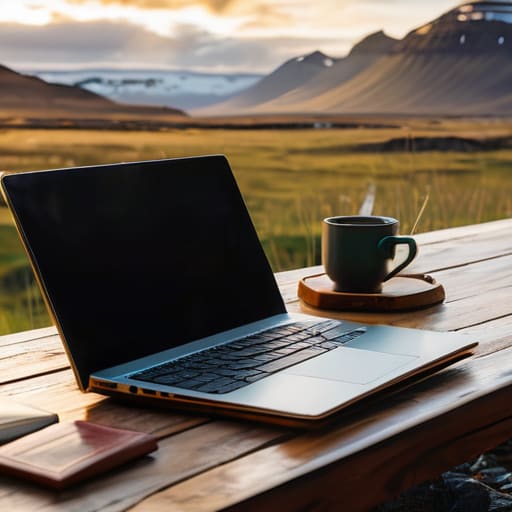
I was sitting in a small, sun-drenched plaza in Lisbon last Tuesday, watching a young man struggle to balance a laptop on his knees while frantically typing in a crowded cafe. He looked exhausted, chasing some digital ghost of productivity, and it hit me how much the modern idea of a nomadic lifestyle has been twisted into a high-speed race. People talk about it like it’s some glamorous, nonstop whirlwind of airport lounges and “hustle culture,” but to me, that sounds more like a different kind of prison. If you’re just moving from one Wi-Fi signal to the next without ever actually looking up, you aren’t traveling; you’re just working in a different zip code.
I’m not here to sell you on a dream of endless productivity or the latest tech gadgets you’ll need to survive on the road. Instead, I want to talk about the quiet reality of living without a fixed address. I’ll share what I’ve learned about finding stability in the unstable, from choosing the right corner for a slow breakfast to the simple joy of a well-packed bag. My goal is to show you how to embrace a nomadic lifestyle that actually allows you to breathe and notice the details along the way.
Table of Contents
Embracing the Slow Travel Philosophy in New Cities
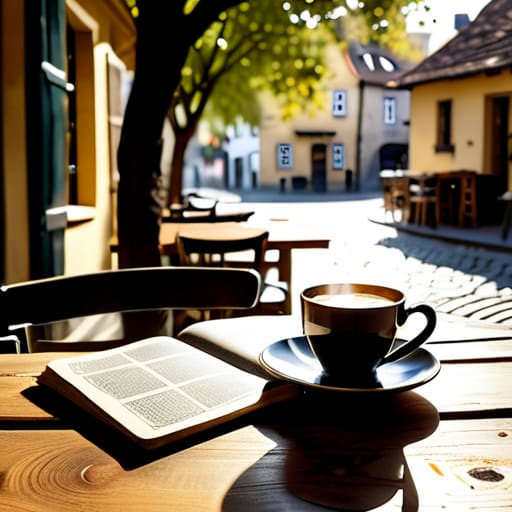
When I first retired, I thought travel meant seeing as much as possible in as little time as possible—the same way I used to manage construction deadlines. But I’ve learned that the real magic happens when you stop trying to conquer a map. Adopting a slow travel philosophy means choosing one neighborhood and actually learning its rhythm. Instead of rushing from one landmark to the next, I find myself sitting at the same corner café for three mornings in a row. By the third day, the barista knows I take my coffee black, and I’ve started to notice the way the light hits the cobblestones at noon.
This shift requires a bit of discipline, especially when it comes to what you carry. I’ve found that traveling with limited belongings actually clears the mental fog. When you aren’t fussing with heavy suitcases or a mountain of gear, you have more room to breathe. You stop worrying about the logistics and start noticing the small things—the smell of a local bakery at dawn or the texture of an old stone wall. It’s about trading the frantic pace of a tourist for the quiet dignity of a guest.
Building a Location Independent Career Without Rushing
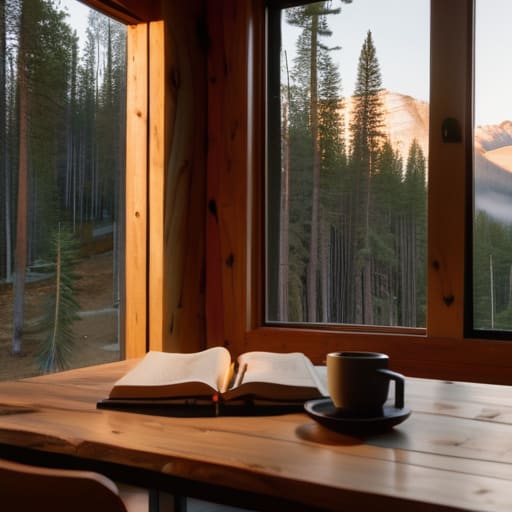
When I was managing bridge construction sites, everything was about the deadline—the rigid schedule, the heavy machinery, the constant pressure to move dirt and pour concrete. Transitioning into the world of a location independent career has required me to unlearn that frantic pace. It’s easy to fall into the trap of thinking that working from a cafe in Lisbon or a mountain cabin in Colorado means you have to be “on” every second to justify the view. But I’ve found that the real trick isn’t about how much you can squeeze into a day; it’s about creating a structure that allows you to actually be where you are.
I’ve learned that productivity doesn’t require a sprawling office, just a few digital nomad essentials and a disciplined routine. Instead of trying to work ten hours a day to “earn” my travels, I set modest, achievable goals. This allows me to close the laptop by mid-afternoon, leaving plenty of daylight for a long walk or a slow meal. It turns work from a hurdle you have to jump over into a quiet companion to your journey.
The Small Essentials for a Life in Motion
- Pack light, but pack right. I’ve learned the hard way that a heavy suitcase is just a burden you’ve chosen to carry. Stick to things that serve more than one purpose—a sturdy pair of walking shoes and a reliable notebook are worth more than any gadget.
- Find your “anchor” spots early on. Whenever I land in a new town, I look for a local cafe or a quiet park bench that feels consistent. Having one familiar corner to return to makes a strange city feel a little more like home.
- Don’t let the itinerary dictate the experience. If you find a small bakery with a view that catches your eye, cancel your museum tour and sit there for an hour. The best parts of traveling are usually the things you didn’t plan for.
- Learn the art of the slow morning. It’s easy to get caught up in the rush of “arriving,” but I find that taking an hour to simply watch the light change over a new street while having coffee sets the tone for the whole day.
- Keep a record of the small things. Whether it’s a quick sketch in my notebook or a note about how the air smelled after a rainstorm, capturing these tiny details is what keeps the journey from becoming a blur of postcards and transit hubs.
Finding Your Own Rhythm in the Motion
Don’t let the map dictate your pace; the best way to truly see a new place is to stop trying to “do” it all and instead find one reliable café or a quiet park bench where you can simply sit and observe.
Success in this lifestyle isn’t measured by how many miles you cover, but by how much of the journey you actually allow yourself to feel, whether that’s through a long afternoon meal or a slow walk through a local market.
True freedom comes from learning to carry your home within you—not in a heavy suitcase, but in the small rituals, like a morning sketch in your notebook or a steady routine, that keep you grounded no matter where you wake up.
The View from the Table
Being a nomad isn’t about how many miles you put behind you or how many stamps you collect in a passport; it’s about finally having the patience to sit in a sun-drenched corner of a foreign cafe, watching the world go by, and realizing you aren’t running late for anything at all.
Bernard Oyelaran
The View From the Slow Lane
Looking back on everything we’ve discussed, it becomes clear that a nomadic life doesn’t have to be a frantic scramble from one airport terminal to the next. It isn’t about the mileage on your passport, but rather about how you choose to inhabit the spaces you find yourself in. Whether you are figuring out how to maintain a steady income while moving or learning to settle into a new neighborhood without the urge to rush, the goal remains the same: to cultivate a sense of home within yourself. By prioritizing slow travel and intentional work, you turn a series of destinations into a meaningful journey, making sure you don’t miss the quiet magic of a well-timed sunset or a perfectly brewed cup of coffee in a city you’ve only just met.
As I sit here in this small cafe, sketching the way the light hits the cobblestones outside, I’m reminded that the best parts of life are rarely found in the rush. If you decide to take this path, please, don’t treat it like a checklist of sights to be seen. Instead, treat it like a long, winding walk through a garden you have all the time in the world to explore. The world is far too large and far too beautiful to be viewed through a moving car window. So, slow down, breathe deeply, and remember that the destination is simply the place where you finally decide to stop and notice.
Frequently Asked Questions
How do you manage to find a sense of routine and stability when your surroundings are constantly changing?
It’s a fair question. When the view out your window changes every few weeks, you have to carry your “home” with you. For me, it’s the small, tactile things: my morning coffee brewed in the same chipped ceramic mug, my leather notebook, and that first hour of sketching before the world wakes up. Stability isn’t about the walls around you; it’s about the quiet rituals you keep, no matter where you land.
What are your practical tips for staying connected to old friends and family without feeling like you're missing out on life back home?
I’ve found that quality always beats quantity. Instead of trying to keep up with every frantic group chat, I schedule a proper, long-form call once a week—the kind where you actually sit down with a cup of coffee. I also send small, physical things: a postcard from a quiet plaza or a photo of a meal I loved. It lets them know I’m thinking of them without me feeling tethered to a screen.
How do you decide when it's time to stay in one place for a while longer versus moving on to the next destination?
I’ve learned to listen to my feet and my stomach. If I find myself still seeking out the same local bakery every morning, or if I’ve finally memorized the way the light hits the cobblestones at dusk, I know I’m not quite done. If the urge to move feels like a frantic itch to check a box, I stay. But if the scenery starts to feel like a backdrop rather than a home, it’s time to pack the notebook.
