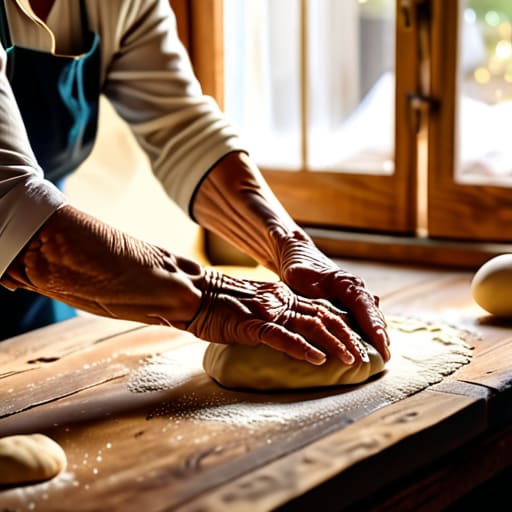
I was sitting in a cramped kitchen in Lyon last spring, watching a young chef fuss over a plate with tweezers and a smear of foam, when I realized how much we’ve lost. People have this idea that family recipes need to be these grand, complex legacies involving rare spices and hours of technical precision. It’s nonsense. To me, the real magic isn’t in the expensive ingredients or the fancy plating; it’s in the unwritten measurements and the way a specific scent can pull you right back to your mother’s dining room table.
I’m not here to give you a lecture on culinary school techniques or a list of gourmet gadgets you don’t need. Instead, I want to share how you can actually preserve the soul of these meals before they vanish with the older generation. I’ll show you how to document the quirks, the “handfuls,” and the “pinches” that make a dish truly yours. We’re going to focus on the practical side of keeping these traditions alive, ensuring that the flavors you love don’t just become fading memories.
Table of Contents
Savoring the Nostalgic Comfort Foods of Childhood
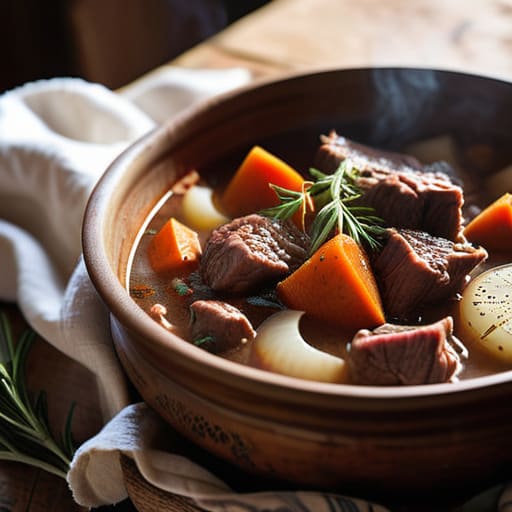
There is a specific kind of magic in a dish that hasn’t changed in forty years. For me, it’s the smell of my mother’s beef stew—the way the scent of rosemary and slow-cooked onions seems to settle deep in your bones the moment you walk through the door. These nostalgic comfort foods aren’t just about sustenance; they are anchors. When I sit down with a bowl, I’m not just eating; I’m traveling back to a kitchen in Michigan where the world felt much smaller and significantly safer.
Lately, I’ve realized that these flavors are fragile. They rely on passed down cooking methods that aren’t always written in neat, measured increments. My father never used a measuring cup; he used his hands and a bit of intuition, a way of cooking that felt more like an art than a science. I’ve started taking more notes in my leather notebook, trying to capture those subtle gestures before they’re lost. It’s my own small way of preserving culinary heritage, ensuring that the warmth of those childhood afternoons doesn’t simply evaporate with the passing years.
Unlocking Generational Cooking Secrets One Bite at a Time
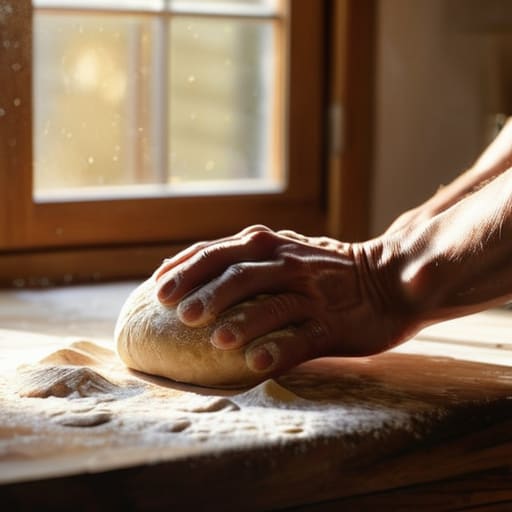
I remember sitting at my father’s kitchen table, watching his hands—calloused from years of site work—move with surprising grace as he kneaded dough. He never used a measuring cup; he just knew by the feel of the flour and the way the air smelled. These passed down cooking methods aren’t written in any textbook, and that’s exactly what makes them so precious. It’s a kind of muscle memory that you can’t quite capture in a standard recipe. I’ve found that when I try to recreate those meals, I’m not just looking for a specific flavor, but for the rhythm of how they were made.
Lately, I’ve been more intentional about documenting oral food histories before they slip away with the older generation. It’s more than just scribbling down ingredients in my notebook; it’s about asking why they added that specific pinch of nutmeg or why the heat had to be low for three hours. I’ve started the slow process of creating a family cookbook, one that holds more than just instructions. It holds the stories of Sunday afternoons and the quiet lessons learned over a shared pot of stew.
A Few Ways to Keep the Flame Alive
- Don’t just write down the measurements; write down the feeling. A recipe that says “add salt until it tastes right” or “stir until the dough feels like an earlobe” captures more truth than a sterile gram weight ever could.
- Get the old hands in the kitchen with you. I’ve found that watching how my mother’s hands move—the specific way she cracks an egg or folds a pastry—tells a story that a printed cookbook simply can’t replicate.
- Embrace the imperfections of the handwritten note. I keep my mother’s old recipe cards even where the ink has faded or there’s a smudge of flour on the corner; those little scars are part of the flavor.
- Test the recipes when the house is quiet. Instead of rushing through a meal to get to the next task, set aside a slow Tuesday afternoon to try that tricky stew, letting the process be as important as the result.
- Record the stories, not just the ingredients. Next time you’re sharing a meal, ask why a certain spice was used or who taught them that trick; those anecdotes are the real seasoning that makes a dish unforgettable.
Lessons from the Kitchen Table
Don’t wait for a special occasion to cook the old recipes; the magic is in the ordinary Tuesday nights when the house smells like home.
Keep a notebook close by, much like I do for my sketches, to capture those imprecise measurements and “handful of this” instructions before they fade away.
View cooking not as a chore to be checked off a list, but as a way to sit still and honor the people who fed us long before we knew how to feed ourselves.
The Language of the Kitchen
A recipe isn’t just a list of measurements on a stained piece of paper; it’s a way of holding hands with someone who isn’t in the room anymore, tasting the exact way they used to love us.
Bernard Oyelaran
The Last Ingredient
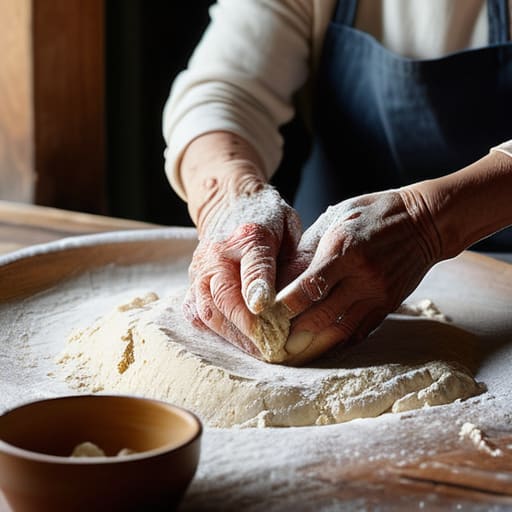
As I sit here in this quiet corner of the café, looking over my scribbled notes, I realize that these recipes are more than just a list of measurements and temperatures. We’ve talked about how these dishes can pull us back to the safety of our childhood kitchens and how the act of asking for a secret ingredient can bridge the gap between generations. It isn’t about achieving culinary perfection or following a blueprint to the letter, much like my old engineering projects. Instead, it’s about the messy, beautiful process of capturing a feeling through flavor and ensuring that the stories of those who cooked before us don’t simply evaporate into the air.
So, my advice to you is simple: don’t wait for a special occasion to break out that old, flour-dusted cookbook. Pick up a spoon, invite a friend over, and let the steam from a simmering pot do the heavy lifting. Life moves far too quickly to let these traditions sit gathering dust on a shelf. Whether it’s a complex roast or a simple, crusty bread, make the time to savor the connection that only a shared meal can provide. After all, we aren’t just feeding our bodies; we are feeding our souls and keeping our history alive, one bite at a time.
Frequently Asked Questions
How do you handle those old, stained recipe cards where the measurements aren't quite clear or the handwriting is fading?
I usually treat those cards like a delicate piece of old machinery. I don’t rush to scrub them; instead, I sit with a magnifying glass and a soft pencil, carefully transcribing what I can into my notebook. If a measurement is a smudge, I rely on my instincts—or a bit of trial and error. Sometimes, the most important ingredient isn’t a precise cup of flour, but the way the cook’s hand moved.
Is it worth trying to recreate a dish exactly as it was made, or is it better to adapt it to the ingredients we have today?
I’ve spent many afternoons sketching in my notebook, wondering if a perfect replica of the past is even possible. To be honest, I think there’s a middle ground. If you chase an exact replica, you might end up frustrated by a grocery store tomato that lacks the sun of forty years ago. I prefer to aim for the spirit of the dish. Use what’s fresh today, but keep the soul of the recipe intact.
How can I start documenting these recipes without making it feel like a chore or a formal history project?
Don’t reach for a filing cabinet or a formal ledger. That’s how a hobby becomes a job. Instead, just keep that little leather notebook of mine handy while you’re actually in the kitchen. Scribble down the things that aren’t written down—the way a sauce should look when it’s “just right,” or how much salt your mother used to add by feel. Capture the scent and the rhythm, not just the measurements.
