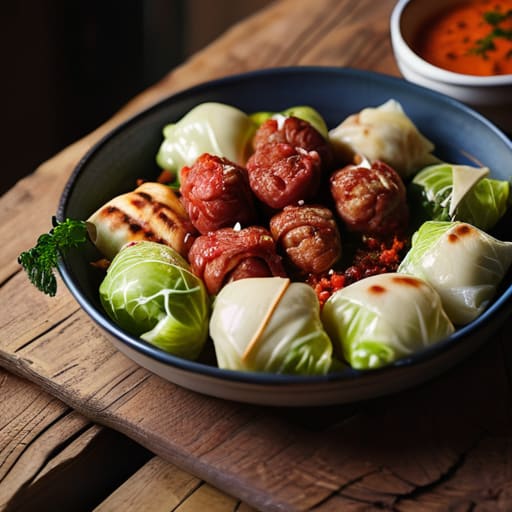
I was sitting in a small, sun-drenched courtyard in Sarajevo last autumn, watching a man meticulously hand-roll dough for a tray of burek, when it hit me. Most travel guides try to dress up balkan cuisine with fancy adjectives and pretension, treating it like some exotic mystery to be solved by a critic in a suit. But that’s nonsense. You don’t need a culinary degree to understand this food; you just need a hungry stomach and a willingness to sit still. Real flavor here isn’t found in gold-leafed garnishes or complicated plating, but in the steam rising from a heavy clay pot and the simple, honest weight of a well-made meal.
I’m not here to give you a curated list of “must-see” tourist traps or overhyped dining destinations. Instead, I want to share what I’ve gathered from my notebook and my travels: the kind of unpretentious wisdom that tells you which street corner smells most like home and which dishes are worth the wait. I promise to guide you through the heart of these flavors without the fluff, focusing on the meals that actually make you stop and appreciate the view.
Table of Contents
The Warmth Found in Traditional Balkan Dishes
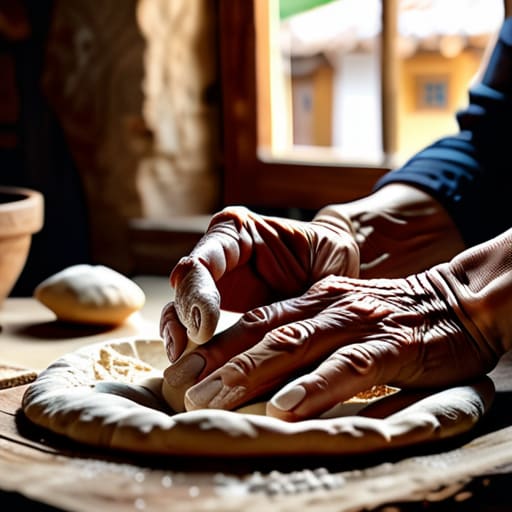
There is a specific kind of soulfulness that comes from food prepared without a clock in sight. In the small, sun-drenched tavernas I’ve stumbled upon, you realize that the comfort food of Southeast Europe isn’t just about sustenance; it’s about a shared history of resilience and warmth. I remember sitting in a small village near Sarajevo, watching an elderly woman hand-roll dough for pita. There was no rush, no frantic kitchen energy—just the rhythmic, steady movement of someone who knew that good things require patience.
When you sit down to a spread of traditional Balkan dishes, you aren’t just eating; you are participating in a centuries-old ritual. The heavy, slow-cooked stews and the charred, smoky aroma of Balkan meat recipes tell a story of the land itself. It’s often the simplest combinations—a bit of smoked paprika, a pinch of dried oregano, and a heavy pour of local olive oil—that truly capture the flavors of the Balkans. These aren’t delicate, fussy plates meant for a quick bite between meetings. They are hearty, honest, and designed to be lingered over while the afternoon light slowly shifts across the table.
A Slow Dance With Balkan Spices and Herbs
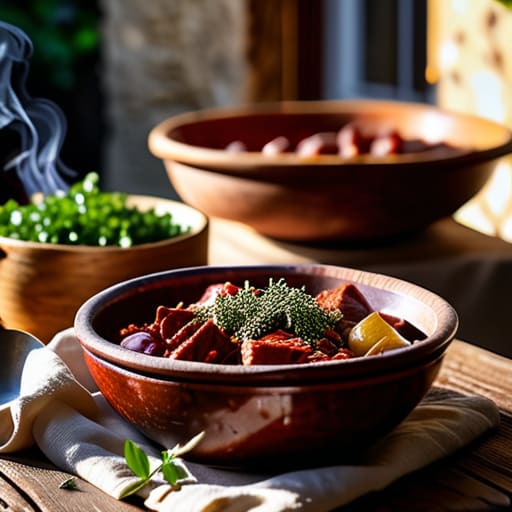
I’ve always found that you can tell a lot about a place by how it seasons its food. It isn’t about the flashy, overwhelming heat you might find in other parts of the world; rather, it’s a subtle, grounding presence. When I sit down at a small wooden table in a village courtyard, I’m struck by how much the flavors of the Balkans rely on patience. There is a particular way they use paprika—not just as a powder, but as a soul—and the scent of wild oregano drifting from a nearby hillside seems to find its way into every stew and roast.
It’s a delicate balance that feels deeply rooted in the soil. You see it in the way they layer dried peppers into their Balkan meat recipes, creating a depth that only comes from slow cooking. These Balkan spices and herbs don’t shout; they whisper. They remind you that the best things in life, much like a well-restored Leica or a sturdy bridge, are built on a foundation of simple, quality ingredients and a refusal to rush the process.
A Few Small Lessons from My Table
- Don’t be afraid of the bread. In the Balkans, bread isn’t just a side dish; it’s a companion. Whether it’s used to scoop up a bit of leftover stew or to soak up the juices from a grilled meat, let it do its job.
- Embrace the long lunch. If you find yourself sitting at a small wooden table in a village square, don’t check your watch. The best flavors tend to emerge only after you’ve stopped rushing.
- Look for the seasonal rhythm. The food here follows the earth, not a supermarket schedule. If you see something fresh and simple on the menu, like peppers in late summer or hearty stews in the winter, order it without hesitation.
- Learn the art of the coffee break. A true Balkan experience isn’t complete without sitting still for a coffee. It’s not about the caffeine; it’s about the ritual of watching the world pass by while the steam rises from your cup.
- Accept the hospitality with a smile. If a local offers you a small dish of something homemade, take it. Food is their primary language of kindness, and there’s no better way to connect than through a shared plate.
A Few Things to Carry With You
Don’t be afraid to let a meal take its time; the best flavors in the Balkans are meant to be lingered over, not rushed through.
Look for the soul in the simplicity, whether it’s the crunch of a fresh pastry or the scent of rosemary on a mountain path.
Remember that food is more than just fuel—it is a way to connect with the history and the quiet, steady heartbeat of a place.
The Soul of the Table
“You can tell a lot about a person by how they treat a simple piece of bread and a bowl of stew; in the Balkans, it isn’t just about filling your stomach, it’s about the way the steam rising from a heavy ceramic bowl seems to invite you to finally, mercifully, sit still.”
Bernard Oyelaran
A Final Seat at the Table
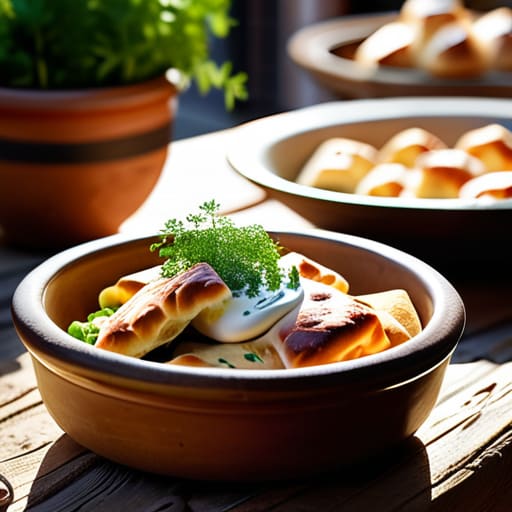
As I sit here in this small courtyard, looking over my notes and watching the light fade across the cobblestones, I realize that Balkan cuisine is about much more than just the ingredients. It is the way a heavy, slow-cooked stew can ground you, or how the sharp, bright scent of fresh herbs can wake up a tired palate. From the comforting, flaky layers of pastry to the deep, earthy warmth of spices that have traveled through generations, these flavors tell a story of resilience and unwavering hospitality. We’ve talked about the dishes and the aromas, but what we are really discussing is a shared way of being that honors the time it takes to truly prepare and enjoy a meal.
If there is one thing I hope you take away from these ramblings, it is this: don’t just eat to be full; eat to be present. The next time you find yourself sitting before a plate of something handmade and honest, put your phone away and let the steam hit your face. Whether you are halfway across the world or just discovering a new local spot, remember that savoring the moment is the greatest luxury we have. Life moves far too fast to rush through a good meal. So, take a breath, take a bite, and let the world wait for a little while.
Frequently Asked Questions
If I’m traveling through the smaller villages, how can I tell which dishes are truly local versus the ones made for the tourists?
When I’m wandering through those narrow village lanes, I look for the signs that don’t shout. If a place has a menu printed in five languages with glossy photos, I keep walking. Instead, I look for the small, family-run spots where the menu is handwritten or just spoken. If you see locals sitting there, nursing a coffee or a slow meal, follow their lead. That’s where the real soul—and the real flavor—lives.
For someone used to more structured meals, how do I navigate the social etiquette of a long, lingering Balkan lunch?
Coming from a world of blueprints and strict schedules, I used to find the lack of a “finish line” at these lunches a bit unsettling. But here’s the trick: stop looking at your watch. In the Balkans, the meal isn’t an item on a to-do list; it’s the event itself. Lean into the pauses. When the coffee arrives, don’t rush. Just sit, observe the light hitting the table, and let the conversation drift.
Are there certain spices or ingredients I should look for if I want to try recreating these hearty flavors in my own kitchen back home?
If you’re looking to bring a bit of that Balkan warmth into your own kitchen, start with some high-quality paprika—the sweet, smoky kind is essential. Pick up some dried oregano and perhaps a jar of ajvar if you can find it; that roasted pepper spread is pure soul food. And don’t be shy with the garlic. It’s simple, honest stuff, but it’s the backbone of almost everything delicious I’ve tasted lately.
