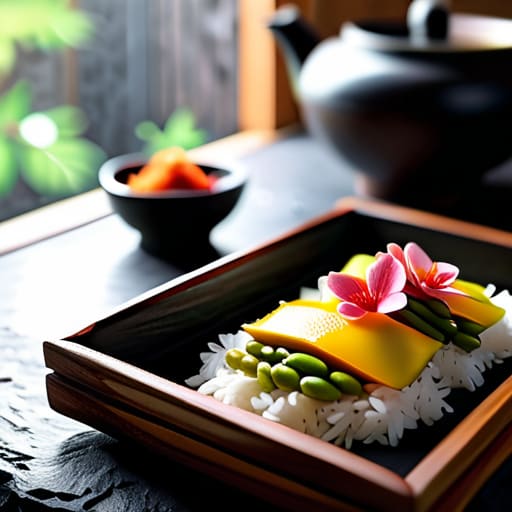
I remember sitting on a park bench in Kyoto last autumn, watching a young man meticulously arrange a single slice of tamagoyaki with the precision of a master craftsman. It struck me then how much we’ve lost in our rush to the next thing. Nowadays, when people talk about the bento box tradition, they often make it sound like some high-stakes culinary competition or an expensive lifestyle trend you need a designer kit to participate in. They treat it like a chore or a status symbol, completely missing the quiet dignity of simply packing a meal that honors both the food and the person eating it.
I’m not here to sell you on fancy gadgets or complicated recipes that take three hours to prep. Instead, I want to share what I’ve learned about the true heart of this practice: the art of finding order in the small things. I’ll walk you through how a simple, well-organized meal can act as a momentary anchor in a chaotic day. We’ll look at the practical side of things—how to pack with intention without losing your mind—and why this old way of eating might just be the best way to slow down and notice the world again.
Table of Contents
Tracing the Roots of a Centuries Old Bento Box Tradition
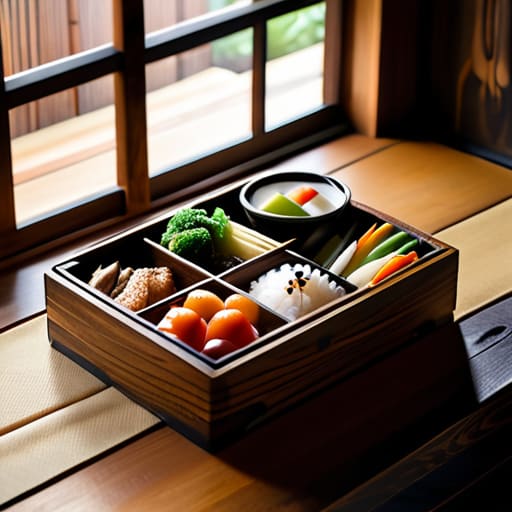
I’ve always found that understanding the bones of a thing—the structural history behind it—makes the experience so much richer. When you look into the history of Japanese bento, you realize it wasn’t always about the polished, aesthetic perfection we see in modern cafes. It began out of necessity, a practical way for travelers and workers to carry sustenance during long journeys. It was a humble, functional necessity, much like the sturdy toolkits I used to carry on construction sites back in Michigan.
As time moved on, these simple meals evolved into something deeply expressive. It wasn’t just about calories anymore; it became about seasonal bento aesthetics, where the ingredients mirrored the changing colors of the landscape outside. You’d see young greens in the spring and hearty root vegetables as the frost set in. There is a profound cultural significance of bento in this connection to the earth. It’s a way of honoring the rhythm of the seasons, ensuring that even when you are miles from home, you are still tethered to the world around you.
The Cultural Significance of Bento and Quiet Moments
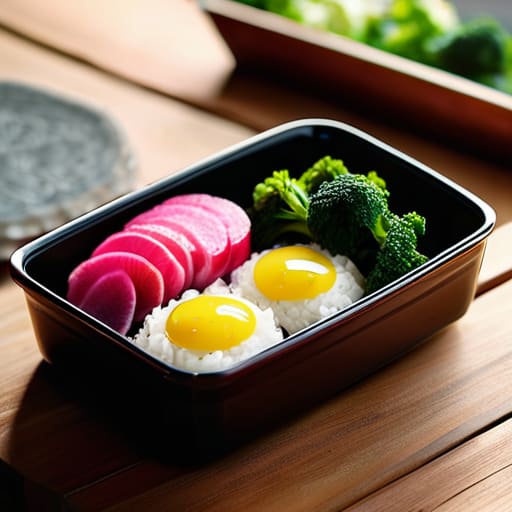
It’s more than just a convenient way to pack a lunch; there is a profound sense of care embedded in the cultural significance of bento. In Japan, a box isn’t just a container, but a vessel for connection. I’ve noticed that when someone prepares a meal this way, they aren’t just thinking about calories; they are thinking about the person who will eventually sit down to eat it. There is a quiet intention in the way the rice is shaped or how the vegetables are sliced, a small gesture of affection that bridges the distance between the kitchen and the table.
I find myself particularly drawn to the seasonal bento aesthetics that change with the turning of the year. Just as I might watch the light shift over a Midwestern landscape while sketching in my notebook, a well-made bento reflects the world outside. Whether it’s the bright greens of spring or the deep oranges of autumn, these meals serve as a reminder to stay present. It forces a pause in a busy day, inviting you to sit, breathe, and appreciate the delicate balance of colors and textures laid out before you.
A Few Simple Ways to Bring a Little Bento Spirit to Your Own Day
- Don’t worry about perfection; focus on color. A bento isn’t meant to be a masterpiece, but seeing a splash of green from a snap pea or the deep red of a plum makes the meal feel intentional rather than just fuel.
- Respect the balance of the small things. In my engineering days, we talked about structural integrity, but in a bento, it’s about the balance of textures—something crunchy, something soft, something juicy. It keeps the palate awake.
- Use the container as a boundary for mindfulness. When you open that lid, let it be a signal to your brain that the rush is over. For those twenty minutes, the only thing that matters is what is inside that box.
- Embrace the art of the “small portion.” There is a certain dignity in not overstuffing yourself. Packing smaller, varied bites encourages you to actually taste each component instead of just inhaling a mountain of food.
- Pack with a sense of hospitality for your future self. When you’re preparing your lunch the night before, think of it as a small gift you’re leaving for yourself to find tomorrow. It changes the whole mood of the meal.
Lessons from a Small Box
Bento isn’t just about the food; it’s a lesson in intentionality, teaching us that how we present a meal matters just as much as the flavors themselves.
There is a profound sense of peace to be found in the careful arrangement of small things, a reminder to find order and beauty even in our busiest moments.
Much like a well-maintained vintage camera, a bento box requires patience and a steady hand, proving that the best things in life are worth the extra effort.
## A Lesson in Small Things
“I’ve spent most of my life looking at massive blueprints and steel beams, but there is a profound kind of engineering in a bento box—the way every small morsel is placed with purpose, teaching us that a life well-lived isn’t found in the grand gestures, but in the careful arrangement of the small, quiet moments.”
Bernard Oyelaran
A Final Note on the Little Things
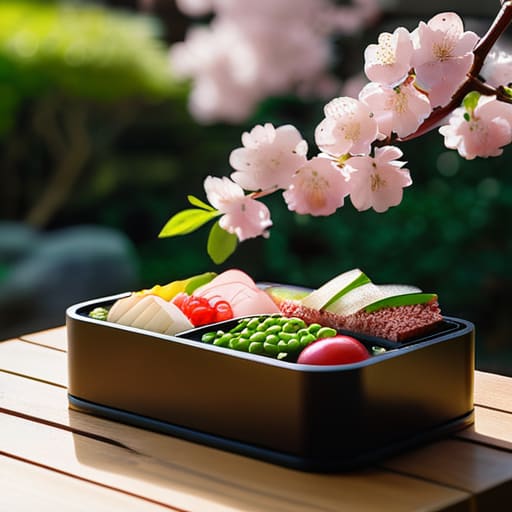
As I sit here in this small park, looking down at my own modest lunch, I realize that the bento box is more than just a way to pack a meal; it is a lesson in discipline and care. From its humble beginnings as a simple way to carry rice to the intricate, seasonal art forms we see today, the tradition teaches us that how we present ourselves to the world matters just as much as what we are consuming. We’ve looked at how these boxes evolved through history and how they serve as a vessel for mindfulness, proving that even a midday meal can be a way to honor our heritage and our surroundings.
If there is one thing I hope you take away from this, it is that you don’t need a grand occasion to practice a bit of intentionality. You don’t need a perfectly arranged wooden box to find a moment of peace. Whether it’s a sandwich wrapped in paper or a carefully prepared meal, try to find the beauty in the arrangement and the quietness in the eating. Life moves far too quickly to spend it rushing through our nourishment. Slow down, take a breath, and savor the small details before they pass you by.
Frequently Asked Questions
How do the ingredients in a bento box change depending on the current season in Japan?
### A Taste of the Seasons
Is there a specific way to arrange the food to ensure it stays fresh and looks beautiful throughout the day?
It’s a bit like a well-planned construction project; everything needs its proper place to hold up. I’ve found that keeping moisture in check is the real secret. I always tuck more delicate items, like sliced fruit or soft greens, into small silicone cups or even large lettuce leaves. This keeps them from touching the heavier, saltier components. It’s about creating little barriers so the flavors stay distinct and the textures stay just right until lunchtime.
Are there certain types of bento boxes used for special occasions versus just a simple daily lunch?
It’s a bit like the difference between a sturdy work boot and a polished dress shoe. For your everyday lunch, you’ll see simple, practical containers designed for efficiency. But when there’s a celebration—a wedding or a seasonal festival—things change. You’ll encounter jubako, those beautiful, tiered lacquer boxes. They aren’t just for holding food; they’re meant for presentation, turning a meal into a slow, deliberate ceremony that honors the occasion.
