I was sitting on a park bench in Bruges last Tuesday, watching the mist roll off the canal, when I realized how much noise there is surrounding the idea of wellness. You see it everywhere—expensive, neon-colored powders and “miracle” supplements that promise to rewrite your DNA if you just pay fifty dollars a jar. It’s all a bit much, isn’t it? I’ve never been one for the hype, and frankly, I think most of the marketing around herbal tea benefits is designed to make you feel like you’re missing something, when really, the answer is much simpler. You don’t need a laboratory-grade elixir; sometimes, you just need a bit of dried peppermint and a moment of actual silence.
I’m not here to sell you on a lifestyle overhaul or some scientific breakthrough that’s going to change your life overnight. What I want to do is share what I’ve learned from years of slowing down and paying attention to how these simple infusions actually feel in the body. I’ll walk you through the real, unpretentious ways that different herbs can help settle a restless mind or a heavy stomach. No fluff, no fancy jargon—just honest observations from a man who has learned that the best remedies are often the ones that require nothing more than a kettle and a bit of patience.
Table of Contents
The Antioxidant Properties of Herbal Infusions in Every Sip
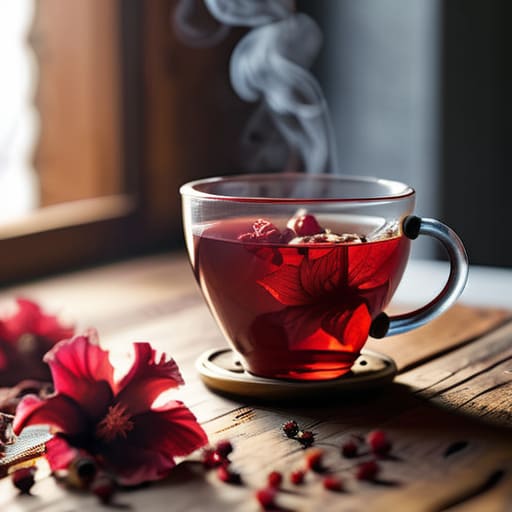
I’ve always been a man of mechanics—gears, trusses, and structural integrity. But as I’ve aged, I’ve come to realize that our bodies have their own complex systems that require a gentler kind of maintenance. When I sit down with a steaming mug of hibiscus or rosehip, I’m not just looking for a flavor profile; I’m leaning into the antioxidant properties of herbal infusions. These little plant-based powerhouses work quietly in the background, helping to sweep away the oxidative stress that accumulates from a lifetime of hard work and city living.
It isn’t about a sudden, dramatic transformation, though. It’s more about the steady, cumulative effect of choosing something pure. I find that incorporating these botanicals into my daily routine feels like a form of preventative maintenance for the soul. Whether it’s the bright punch of peppermint or the soft, earthy notes of chamomile, there is a certain peace in knowing that you are nourishing your cells with the very best nature has to offer. It’s a small, simple way to embrace holistic wellness through tea, one slow sip at a time.
A Gentle Path Toward Holistic Wellness Through Tea
I’ve always found that engineering is as much about balance as it is about structural integrity. The same holds true for how we treat our bodies. We often try to fix things with loud, aggressive interventions, but I’ve learned that true holistic wellness through tea is much more subtle. It isn’t about a sudden transformation; it’s about the small, consistent choices we make when the world feels a bit too heavy.
For me, that often means leaning into the therapeutic properties of botanicals when my mind is racing. There is a certain rhythm to it—the kettle whistling, the scent of dried lavender or peppermint filling the kitchen, and that first, slow sip. If I’m having a particularly restless night, I’ve found that certain blends serve as excellent natural remedies for sleep, acting as a gentle signal to my system that the day is finally done. It’s a quiet way to reclaim a sense of peace, one cup at a time.
A Few Simple Ways to Make the Most of Your Steep
- Don’t rush the process. I’ve learned that if you pull the tea bag out too early, you’re missing the soul of the plant. Let it sit for a full five to seven minutes; it’s a good excuse to just sit there and watch the steam rise.
- Watch your water temperature. If you’re brewing something delicate like chamomile, you don’t need water that’s screaming off a rolling boil. A gentle simmer is much kinder to the leaves and the flavor.
- Keep a little notebook nearby. I find that different blends affect my mood in different ways—some help me focus while I’m sketching, others help me settle down after a long walk. Note down what works for you.
- Try pairing your tea with a moment of stillness. A cup of peppermint is wonderful, but it’s even better if you actually step away from your phone and just listen to the birds or the wind for a few minutes.
- Listen to your body. There’s no rulebook that says you have to drink a specific tea just because it’s “healthy.” If peppermint makes your stomach feel settled, drink it. If lavender makes you feel drowsy, save it for the evening. Trust your own rhythm.
A Few Small Reminders for Your Next Steep
More Than Just a Warm Drink
I’ve learned that a cup of herbal tea isn’t just about the vitamins or the antioxidants; it’s about that forced pause in the middle of a busy afternoon that tells your soul it’s finally okay to catch up with your body.
Bernard Oyelaran
A Final Steep
As I sit here by the window, watching the light shift across my sketchbook, I’m reminded that these infusions offer so much more than just a bit of chemistry. We’ve talked about the antioxidants that protect our bodies and the gentle, holistic ways these plants support our overall sense of well-being. But beyond the science, there is the simple reality that choosing a cup of tea is a way of choosing yourself. Whether it’s the soothing properties of chamomile or the bright clarity of peppermint, these herbs provide a natural, rhythmic support for the physical and mental demands we face every day.
If there is one thing I have learned from years of managing chaotic construction sites and now navigating the quiet of retirement, it’s that we cannot pour from an empty vessel. Taking ten minutes to brew a pot and simply sit is not a luxury; it is a necessity. I hope you find your own version of this ritual. Don’t just drink the tea—really taste it. Let the warmth of the mug settle your nerves and allow the steam to clear your mind. In the end, it isn’t just about the health benefits; it’s about finding a moment of stillness in a world that refuses to stop moving.
Frequently Asked Questions
Is it better to steep these teas for a long time to get the most out of them, or does that make them too bitter to enjoy?
That’s a fair question, and one I’ve wrestled with myself while sitting on many a porch. It’s a bit of a balancing act. If you leave them too long, you often pull out those harsh, astringent tannins that make your mouth feel dry. I’ve found that for most herbs, sticking to five to seven minutes is the sweet spot. You get the goodness without losing the gentle, soothing flavor that makes the ritual worthwhile.
Are there certain times of day when I should avoid specific herbs so they don't interfere with my sleep?
It’s a fair question, and one I’ve had to learn the hard way. I once thought a cup of peppermint tea was the perfect way to wind down, only to find it kept me tossing and turning well past midnight. I’ve found it’s best to steer clear of anything too stimulating—like yerba mate or even certain green teas—once the sun starts to dip. Stick to the chamomile or lavender in the evening; let them be your signal to slow down.
Can I mix different types of herbs together, or is it better to stick to one single blend at a time?
I’ve often found myself standing in the kitchen, staring at a shelf of different tins, wondering if I should stick to the plan. Personally, I find a bit of mixing to be quite rewarding. There’s a certain joy in blending a bright peppermint with a mellow chamomile—it’s like composing a small, quiet melody. Just don’t overcomplicate it. Start with two or three herbs so you can actually taste the individual notes.
