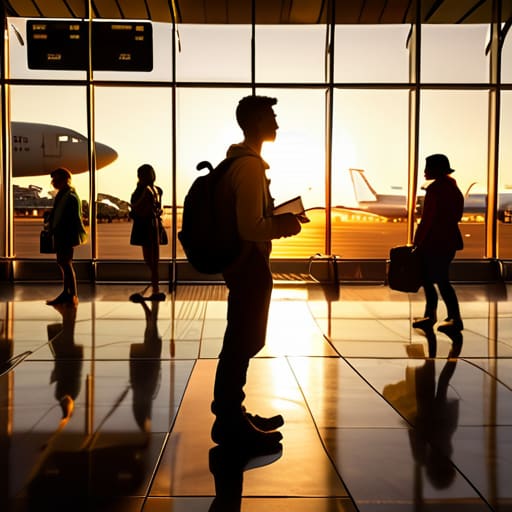
I remember sitting in a cramped terminal in Chicago years ago, clutching a folder full of color-coded itineraries and feeling like my heart might actually jump out of my chest. I had spent weeks trying to engineer the “perfect” trip, thinking that if I just accounted for every variable, I could control the outcome. But that’s the great lie we tell ourselves about first time travel: that it requires a master blueprint and a heavy bank account to be successful. In reality, the more you try to micromanage the experience, the more you end up missing the actual world happening right in front of you.
I’m not here to sell you on some glossy, curated dream or a list of expensive tourist traps that will leave you feeling more exhausted than inspired. Instead, I want to share what I’ve learned from a lifetime of navigating both massive construction sites and quiet, cobblestone streets. I’ll give you the honest, unvarnished truth about how to approach your first time travel without losing your peace of mind. We’re going to focus on the small, meaningful things—the right way to find a decent meal, how to embrace a wrong turn, and why sometimes, the best part of the journey is simply sitting still.
Table of Contents
Managing Travel Anxiety With Slow Mornings
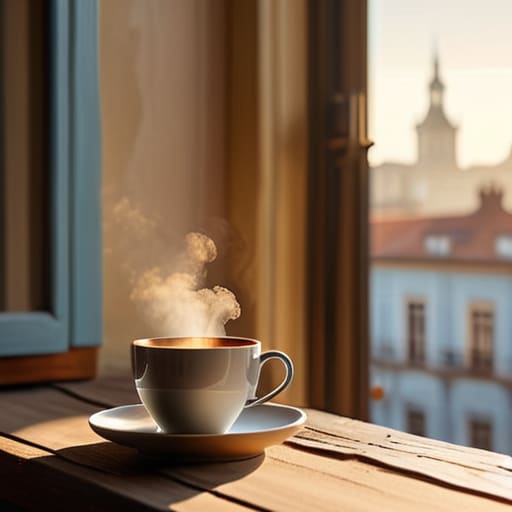
When I first started traveling on my own, I used to wake up with my heart racing, mentally rehearsing every possible wrong turn or missed train. It’s a heavy way to start a day. Now, I’ve learned that the best way of managing travel anxiety isn’t to fight the nerves, but to outmaneuver them with a bit of ritual. I make it a point to wake up an hour before I actually need to be anywhere. I find a quiet corner, open my little notebook, and just sit with a cup of coffee. There is something about watching the light change over a new city that grounds you.
Instead of rushing straight into the chaos of navigating international airports or crowded terminals, I give myself permission to exist in the stillness first. If you try to tackle a new culture while your adrenaline is spiking, you’ll miss the very things you came to see. I’ve found that slow mornings act as an anchor; they remind me that no matter how foreign the surroundings feel, the sun still rises the same way, and a warm pastry can make any street feel a little more like home.
Essential Packing List for Beginners and Quiet Moments
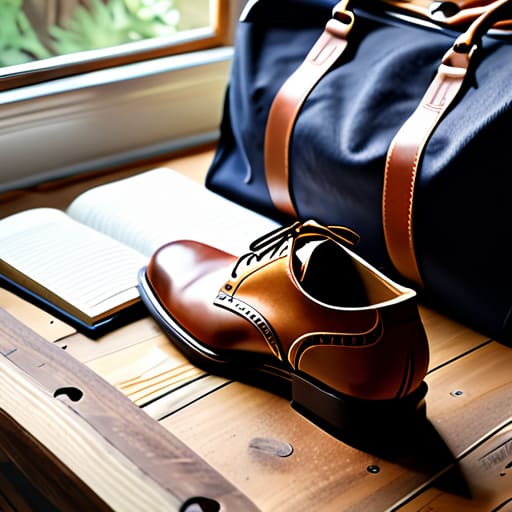
When I was managing construction sites, I learned that the right tools make all the difference between a job well done and a total headache. The same applies to your suitcase. I’ve found that an essential packing list for beginners shouldn’t be about quantity, but about quality and versatility. I always pack a sturdy, lightweight jacket and a pair of broken-in walking shoes—nothing ruins a beautiful afternoon like a blister. I also make sure to tuck my leather-bound notebook and a decent pen into a side pocket; there is something about the tactile feel of paper that helps me process a new city far better than a smartphone ever could.
Beyond the clothes, I try to pack for my peace of mind. I never leave home without a small, portable power bank and a physical copy of my documents, just in case technology decides to take a nap. While many people focus on heavy gear, I prefer to focus on the small comforts that ground me. Whether it’s a familiar tea bag or a lightweight scarf, these little things act as anchors when the world feels a bit too fast and loud.
Small Lessons from a Slow-Moving Traveler
- Learn to love the detour. When you miss a train or take a wrong turn down a cobblestone alley, don’t fight it. Those unplanned moments are usually where the real stories live—the little bakery you wouldn’t have found otherwise, or the view that wasn’t on the map.
- Keep your wits about you with a bit of paper. I know everyone uses their phones for everything now, but I always keep a physical map and a pen in my bag. If your battery dies or the signal drops, you won’t feel stranded; you’ll just feel like an explorer.
- Don’t try to see it all. I see so many young travelers rushing from monument to monument like they’re checking items off a construction punch list. Pick one thing a day to truly see, and let the rest of the time be for sitting on a bench and watching the world go by.
- Eat where the locals linger. If a restaurant has a menu translated into five different languages and a host standing outside beckoning you in, keep walking. Find the place where the chairs are a bit worn and the people are eating slowly; that’s where you’ll find the soul of the city.
- Carry a little extra patience for yourself. You’re going to make mistakes. You’ll struggle with the language or misread a sign. When that happens, take a breath, find a quiet corner, and remember that you aren’t here to perform—you’re here to experience.
A Few Things to Keep in Your Pocket
Don’t feel the need to see every monument on the map; sometimes, the best part of a trip is the hour you spent sitting on a park bench just watching the world go by.
Pack for comfort rather than for the photo, because a heavy suitcase or stiff shoes will only pull you away from the quiet details you came to find.
Give yourself permission to change your mind, because the most meaningful moments usually happen when you abandon your plan and follow a sudden, pleasant whim.
The Heart of the Journey
Don’t get too caught up in the map or the ticking of the clock; the real magic of a first trip isn’t found in checking off landmarks, but in those quiet, unplanned moments when you finally stop rushing and just let a new place breathe with you.
Bernard Oyelaran
Finding Your Own Rhythm
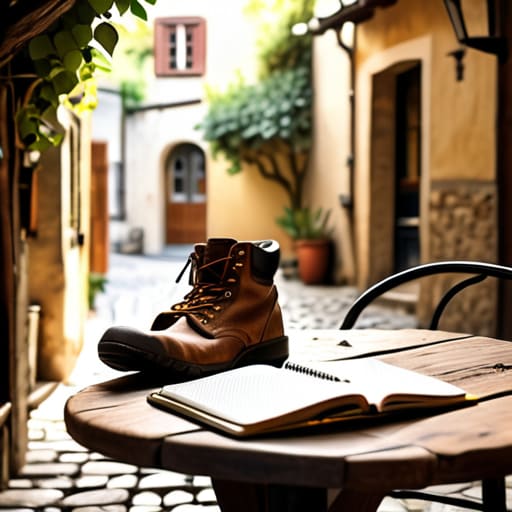
As you stand on the precipice of your first big journey, remember that it isn’t about checking off every landmark on a map or rushing to catch every sunrise. We’ve talked about managing that initial flutter of nerves by leaning into slow mornings, and how the right, practical gear—like a sturdy pair of boots or a reliable notebook—can serve as your anchor. The goal isn’t to see everything, but to actually see what is in front of you. If you find yourself lost or if a train is delayed, don’t fight it. Just sit, find a small cafe, and remember that even the unexpected detours often hold the best stories.
At the end of the day, travel is less about the destination and more about the quiet shifts happening inside you. When I look back at my own decades of work and my recent travels, I realize that the most profound moments weren’t the grand monuments, but the way the light hit a cobblestone street at dusk. So, pack your bags, but leave plenty of room for the unknown. Trust yourself to navigate the world at your own pace, and remember that life is best savored one slow, intentional step at a time.
Frequently Asked Questions
How do I handle the fear of getting lost or losing my way in a place where I don't speak the language?
I’ll tell you a secret: getting lost is often where the real story begins. When I first traveled through rural France, I couldn’t speak a word of the language, and my map was useless. I felt that familiar knot in my stomach. But then I realized, if I’m lost, I’m not lost—I’m just exploring. Carry a physical map, keep a few local phrases handy, and when you do lose your way, just find a cafe and wait for the world to find you.
Is it worth trying to see all the big landmarks, or should I really stick to my plan of just wandering?
I’ll tell you from experience: the landmarks are fine, but they rarely tell the whole story. I’ve stood in front of grand monuments only to find myself checking my watch, wondering when the next thing is. If you rush to check boxes, you’ll miss the soul of the place. Stick to your wandering. The best memories I have aren’t from a guidebook, but from a quiet corner where the world felt real.
How can I keep track of my budget without spending the whole trip staring at a spreadsheet instead of the scenery?
I used to think tracking every cent meant living by a ledger, but that’s a quick way to ruin a view. Now, I just set a daily “allowance” in my head—or a simple note in my leather journal. I jot down the big spends at the end of the day while sipping a coffee. It keeps me honest without letting a math problem stand between me and a beautiful sunset.
