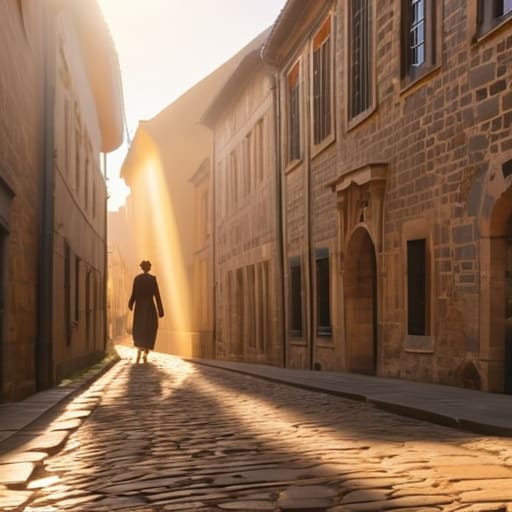
I was sitting in a crowded plaza in Florence last spring, clutching my Leica and feeling a profound sense of failure. Around me, travelers were sprinting from one monument to the next, checking boxes on a digital list like they were completing a high-stakes construction deadline. They were so busy hunting for the “perfect” landmarks that they missed the way the light hit the terracotta rooftops or the scent of roasting coffee drifting from a side alley. It struck me then that most of the popular sightseeing tips you find online are actually just recipes for exhaustion. We’ve turned exploration into a competitive sport, forgetting that the goal isn’t to see everything, but to truly see something.
I’m not here to give you a frantic itinerary or a list of the most expensive ticketed attractions. Instead, I want to share a few practical, slow-paced ways to navigate new places without losing your soul to a schedule. My goal is to offer you honest, experience-based guidance that prioritizes the quiet details—the kind of moments that stay with you long after the plane lands. We’re going to talk about how to find the heart of a city by intentionally getting lost, ensuring your travels feel less like a race and more like a conversation.
Table of Contents
Finding Peace Among Must See Urban Attractions
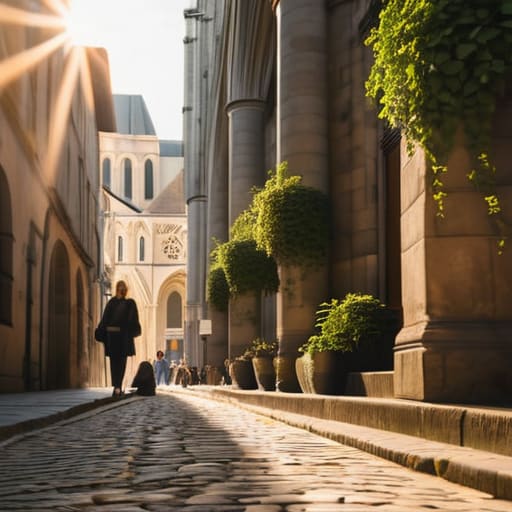
It’s easy to get swept up in the gravity of the big names—the cathedrals, the monuments, the massive plazas that seem to pull everyone toward them like a tide. I used to be a man of schedules and blueprints, thinking I could conquer a city if I just had the right map. But I’ve learned that the most crowded must-see urban attractions often demand more from your patience than they give to your soul. If you find yourself standing in a line that stretches around a block, don’t fight the frustration. Instead, take it as a sign to pivot.
I’ve found that the real magic happens when you intentionally seek out local hidden gems just a few streets away from the main thoroughfare. I often find myself ducking into a quiet courtyard or a small, family-run bookstore simply because the noise of the crowd became too much. There is a certain dignity in avoiding tourist traps by choosing a dim, quiet café over a flashy landmark cafe. It’s in those unplanned, silent intervals that you actually begin to feel the heartbeat of a place.
The Best Time to Visit Landmarks Without the Rush
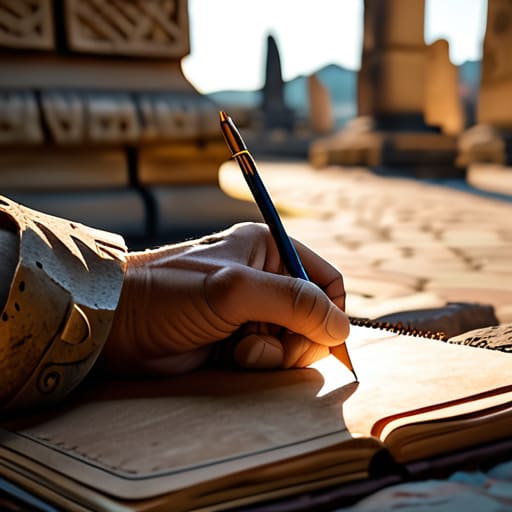
I’ve learned over the years that the clock is often the greatest enemy of a good experience. If you arrive at a monument when the tour buses are unloading, you aren’t really seeing the architecture; you’re just navigating a crowd. One of my favorite little travel planning hacks is to aim for that sweet spot just as the gates open, or better yet, an hour before they close. There is a particular kind of magic in the long shadows of late afternoon when the light hits the stone just right—it’s the perfect time for me to pull out my notebook and capture a quick sketch before the dinner rush begins.
When people ask me about the best time to visit landmarks, I always suggest looking at the seasons rather than just the hours. Visiting during the “shoulder seasons”—that gentle stretch of spring or autumn—allows you to sidestep the sweltering summer crowds. You’ll find the air is kinder, the pace is slower, and you can actually hear your own footsteps on the pavement. It turns a frantic checklist into something much more meaningful and quiet.
A Few Lessons from the Slow Lane
- Let go of the checklist. I’ve learned that the most memorable part of a trip isn’t the monument you checked off at noon, but the small, sun-drenched bakery you stumbled upon while being lost. If you find yourself in a beautiful alleyway, stay there. The landmark will still be there tomorrow.
- Pack light, but bring the right tools. I never leave home without my leather notebook and a decent pair of walking shoes. You can’t appreciate the way the light hits a cathedral’s spire if your feet are aching or if you’re too busy wrestling with a heavy suitcase.
- Eat where the locals linger. If a restaurant has a laminated menu in five different languages and a host standing outside beckoning you, keep walking. Look for the places where the tables are crowded, the noise is lively, and no one seems to be in any particular hurry to leave.
- Embrace the art of the midday pause. When the sun is at its highest and the crowds are at their thickest, don’t fight it. Find a park bench or a quiet courtyard, pull out a sandwich, and just watch the world go by. It’s much better than standing in a humid line for an hour.
- Carry a bit of patience, and a lot of curiosity. Things will go wrong—trains will be delayed, and maps will be confusing. Instead of letting it ruin your mood, treat it as part of the story. Sometimes the best views are found when you’re forced to take the long way around.
A Few Thoughts to Carry in Your Pocket
Don’t let a map dictate your joy; sometimes the best part of a day is the street you didn’t mean to turn down.
Pack light, but bring the essentials—a good notebook, a comfortable pair of walking shoes, and enough patience to wait for the light to hit the architecture just right.
Remember that a landmark is just stone and mortar until you take the time to sit near it, breathe, and actually look at it.
## On the Art of Seeing
“A checklist might tell you where you’ve been, but it won’t tell you where you’ve been. Don’t let the pursuit of a perfect itinerary rob you of the chance to actually sit still and let a place settle into your bones.”
Bernard Oyelaran
The View from the Bench
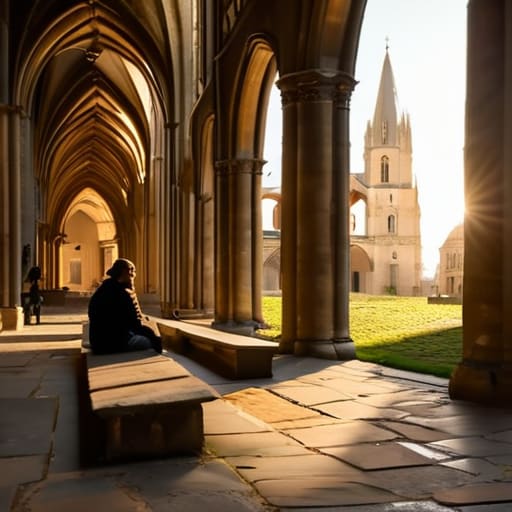
Looking back on everything we’ve discussed, it really comes down to a simple shift in perspective. Whether you are navigating the heavy crowds of a city center or trying to time your visit to a monument to avoid the midday heat, the goal isn’t to check a box. It’s about managing your energy so you aren’t too exhausted to actually enjoy what you’re seeing. By finding those quiet pockets of peace amidst the urban chaos and choosing to visit the landmarks when the light is soft and the crowds are thin, you turn a frantic itinerary into a meaningful experience. It’s much better to see one cathedral with clarity than ten through the lens of a crowded tour bus.
At the end of the day, I hope you remember that the most important part of any journey isn’t the destination on your map, but the way you feel when you arrive. Don’t be afraid to put the map away for an hour, find a small café, and just watch the world go by. Sometimes, the best “sightseeing” happens when you aren’t even looking for it—it’s in the steam rising from a coffee cup or the way the sun hits an old stone wall. Please, take your time. The world isn’t going anywhere, and it certainly deserves your full attention.
Frequently Asked Questions
How do you manage to find those quiet spots when a city is clearly in its peak tourist season?
It’s a bit of a puzzle, isn’t it? When the crowds are thick, I stop looking at the maps and start looking at the side streets. I’ve learned that if you walk just two or three blocks away from the main plaza, the noise usually drops off quite a bit. I look for small, unassuming courtyards or even a quiet bench near a local library. It’s about finding the gaps in the rush.
Are there certain types of landmarks that you find are better experienced through a lens rather than just rushing to snap a photo?
I’ve always found that grand, sweeping monuments—the kind that demand you look up in awe—can be a bit hollow if you only see them through a viewfinder. For those, I prefer to just stand there and let the scale sink in. But for things with texture, like the weathered stone of an old cathedral or the intricate ironwork of a bridge, my vintage Leica comes out. Those details deserve a slower look.
How do you decide when it’s time to stop the sightseeing and just sit down for a long meal?
I know the feeling—that moment when the map starts feeling heavy and the landmarks begin to blur together. For me, it’s usually when my curiosity gives way to a certain kind of physical restlessness. When I find myself looking at a menu instead of the architecture, or when the frantic energy of the crowd starts to grate, that’s my cue. I close the notebook, find a quiet table, and let the world go on without me for an hour.
