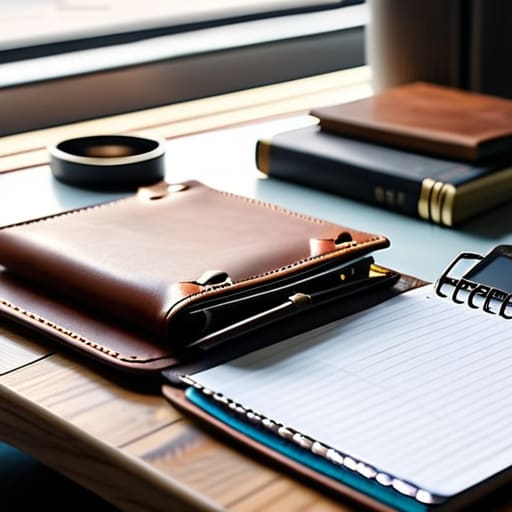
I remember sitting in a cramped terminal in Chicago back in ’94, surrounded by people frantically checking their watches and shouting into heavy mobile phones. Back then, I was managing bridge projects, and I thought business travel was supposed to be a high-octane sprint of efficiency and prestige. But looking back through the lens of a retired engineer, I see it was mostly just a lot of wasted motion and expensive, lukewarm coffee. We’ve been sold this idea that being “on the road” means living out of a suitcase in a blur of meetings, but that’s a recipe for burnout, not success.
I’m not here to give you a list of the best lounge hacks or how to maximize your frequent flyer miles. Instead, I want to share what I’ve learned about reclaiming your humanity while moving from point A to point B. I’ll show you how to find those small, quiet pockets of peace amidst the chaos, ensuring that even the most grueling trip allows you to actually experience the places you visit. Let’s talk about how to travel with purpose, rather than just traveling to work.
Table of Contents
- Mastering Business Trip Planning Without Losing Your Soul
- Finding Quiet Moments Within Corporate Accommodation Standards
- Small Ways to Keep Your Feet on the Ground When You're Living Out of a Suitcase
- A Few Small Reminders for the Road
- The View from the Terminal
- Bringing It All Home
- Frequently Asked Questions
Mastering Business Trip Planning Without Losing Your Soul

When I was managing construction crews, I learned that a project lives or dies by its foundation. The same applies to your itinerary. Most people approach business trip planning like a frantic race against a clock, trying to squeeze every possible minute of productivity out of a flight or a taxi ride. But if you spend your entire trip staring at a laptop screen in a sterile hotel lobby, you aren’t actually traveling; you’re just working in a different zip code.
I’ve found that the trick is to build in “buffer zones.” Instead of obsessing over every minute of your corporate travel management requirements or worrying about whether you’re strictly adhering to a rigid business travel expense policy, try to find the small wins. Choose a hotel that isn’t just a standard corporate accommodation, but one that sits near a park or a local bakery. If you can secure a room that feels like a sanctuary rather than a temporary cell, you’ll find it much easier to reclaim your sense of self once the meetings finally conclude.
Finding Quiet Moments Within Corporate Accommodation Standards
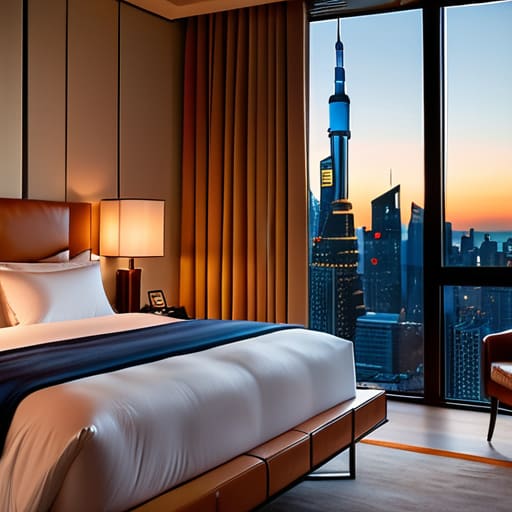
There is a certain sterile uniformity to most hotels that fall under strict corporate accommodation standards. You walk into the lobby, see the same beige carpeting and the same generic art, and you can almost feel your sense of place evaporating. It’s efficient, certainly, and it makes following a business travel expense policy much simpler for the accounting department, but it can feel a bit hollow. I’ve learned that if you don’t make a conscious effort, these rooms become nothing more than high-end waiting rooms between meetings.
To counter that, I try to look for the small, human textures that the big chains often overlook. Instead of staying in the heart of the frantic business district, I use my loyalty program benefits to scout for properties just a few blocks away—places that might have a small courtyard or a breakfast nook with a view of a local park. I keep my leather notebook handy to sketch the way the light hits the curtains in the morning. It’s a small thing, but finding that quiet pocket of stillness amidst the standardized furniture is what keeps me grounded.
Small Ways to Keep Your Feet on the Ground When You're Living Out of a Suitcase
- Pack a physical book or that old notebook of mine. When the Wi-Fi in the hotel lounge is acting up or the flight is delayed, don’t reach for your phone immediately. There is a certain dignity in being unreachable for an hour, just letting your mind wander while you wait.
- Seek out a local market instead of the hotel breakfast buffet. I’ve found that even a twenty-minute walk to find a decent loaf of bread or a piece of seasonal fruit connects you to the rhythm of a new city far better than any continental breakfast ever could.
- Treat your walking shoes as your most important piece of equipment. I spent years overseeing construction sites where comfort was non-negotiable, and travel is no different. If your feet are aching, you won’t notice the architecture or the way the light hits the cobblestones.
- Make it a point to eat at least one meal entirely alone, without a screen in front of you. Order something that looks interesting, sit by a window if you can, and just observe. It’s in those quiet, solitary meals that you actually begin to process where you are.
- Find a “third place” that isn’t your office or your hotel room. Whether it’s a quiet park bench or a small corner cafe, having a spot that feels like a sanctuary helps prevent that strange, drifting sensation that comes with constant movement.
A Few Small Reminders for the Road
Don’t let the itinerary become your master; leave a little breathing room in your schedule for a spontaneous stroll or a quiet coffee, even if it feels counterintuitive to your boss.
Seek out the local flavor rather than the hotel buffet; a meal shared with a local or even just eaten at a corner bistro can ground you when the corporate world feels too sterile.
Carry a way to disconnect from the digital noise—whether it’s my old Leica or a simple notebook—to remind yourself that there is a world existing outside of your inbox.
The View from the Terminal
A business trip shouldn’t just be a series of closed doors and sterile conference rooms; it’s an opportunity to step outside the itinerary and find the soul of a city in a single, quiet cup of coffee or the way the light hits a cobblestone street at dusk.
Bernard Oyelaran
Bringing It All Home
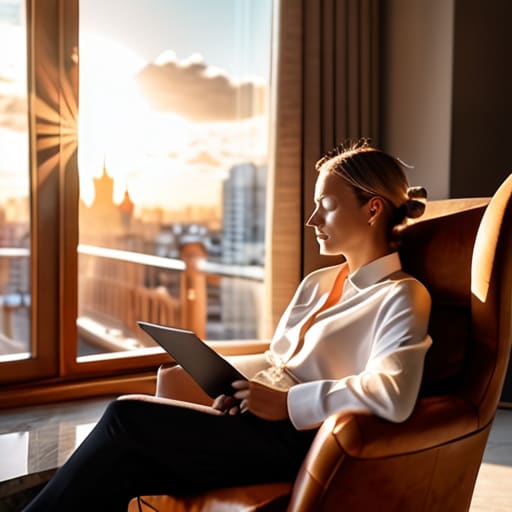
At the end of the day, managing a trip full of meetings and tight schedules doesn’t have to mean turning yourself into a mere cog in a corporate machine. We’ve talked about how a bit of intentional planning can save your sanity, and how finding that one quiet corner in a hotel lobby or a local bistro can act as an anchor when the world feels too fast. It isn’t about ignoring your responsibilities; it’s about protecting your inner peace amidst the logistics. When you balance the necessity of the work with the small, deliberate acts of self-care—like a long walk after a presentation or a slow breakfast—you ensure that you aren’t just surviving the trip, but actually living through it.
As I sit here in this small cafe, sketching the light hitting the cobblestones outside, I’m reminded that even the most grueling itinerary contains hidden pockets of grace. Don’t let the rush to the next gate or the next boardroom blind you to the world passing by your window. If you can learn to find the beauty in the transit, the quiet rhythm of a new city, and the simple comfort of a well-cooked meal, you’ll find that business travel becomes something much more than a chore. It becomes an opportunity to slow down and notice that even in the middle of the grind, there is always something worth savoring.
Frequently Asked Questions
How can I keep my sense of routine and well-being when my schedule is constantly changing from city to city?
I’ve found that the trick isn’t trying to control the chaos, but carrying a few small constants with you. Whether it’s a specific brand of tea you brew in your hotel room or a twenty-minute walk at dawn, those tiny anchors keep you grounded. Don’t try to replicate your whole life on the road; just find one or two rituals that belong solely to you, and hold onto them tightly.
Are there ways to find authentic, local dining experiences when I'm stuck in those predictable hotel food courts and airport lounges?
I’ve learned the hard way that the best meals aren’t found behind a badge or a buffet line. When I’m stuck in a terminal, I put the phone away and look for the small, family-run spots tucked into the side streets—the ones with handwritten menus and a bit of character. If you’re truly stranded, look for the local grocery stores. A fresh loaf of bread, some local cheese, and a bench in a park can turn a lonely business trip into a moment worth remembering.
How do you balance the pressure to be "always on" for work with the need to actually see and experience the places you're visiting?
It’s a tug-of-war, isn’t it? That constant digital hum in your pocket makes it feel like you’re anywhere but where your feet actually are. I’ve learned to set a hard boundary: the “golden hour.” Once the sun starts to dip, the laptop stays shut. I head out—even if it’s just for twenty minutes—to find a local bakery or a park bench. You can’t see the soul of a city through a backlit screen.
