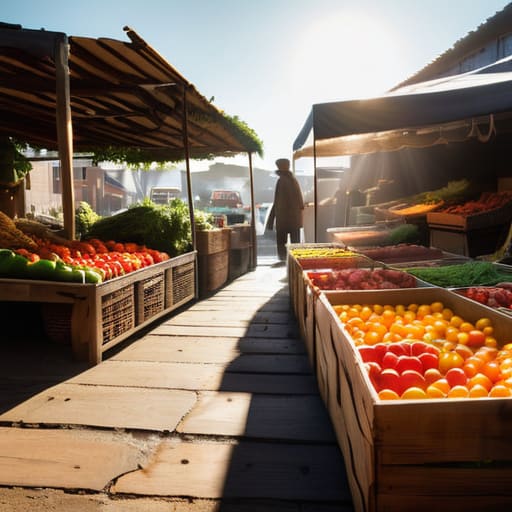
I was sitting at a small, rickety wooden table in a village square outside of Lucca last Tuesday, sketching the way the light hit a crate of bruised peaches. I realized then that most people approach local markets like they’re checking items off a frantic grocery list, rushing through the aisles to get back to their “real” lives. They miss the soul of the place—the rhythmic call of the vendors, the scent of crushed basil, and the way a conversation with a cheesemonger can actually change your entire perspective on a day. We’ve become far too obsessed with efficiency and far too little with the actual experience of living.
I’m not here to give you a polished travel brochure or a list of the most “Instagrammable” spots in town. Instead, I want to share what I’ve learned from years of wandering through these stalls, from the bustling hubs of the Midwest to the quiet corners of Europe. I’ll show you how to navigate the crowds, how to spot the real gems hidden behind the tourist traps, and how to simply sit, eat, and observe. This is about finding the heartbeat of a community, one stall at a time.
Table of Contents
Savoring the Season Farmers Market Seasonal Produce
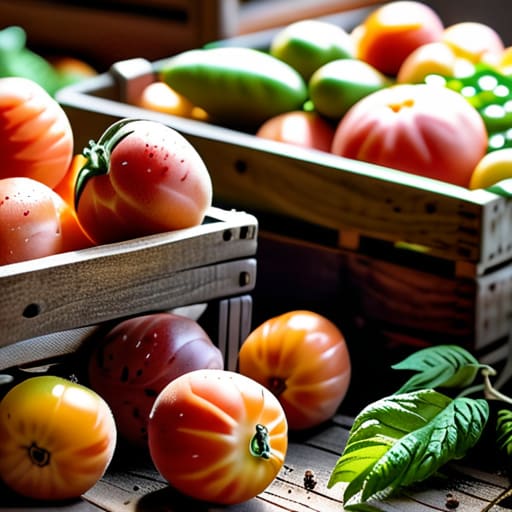
There is a specific kind of magic in the way a stall changes from week to week. When I first started my weekend market tours, I didn’t realize how much I would come to rely on that rhythm. One week, it’s the deep, earthy scent of heirloom carrots still dusted with soil; the next, it’s the bright, citrusy snap of early summer berries. There’s no substitute for farmers market seasonal produce when you’ve actually seen it grow. You can tell by the weight of a tomato or the firmness of a peach that it hasn’t spent a week sitting in a shipping container.
I find myself lingering longer at the vegetable stands these days, more out of curiosity than hunger. I like to watch the hands of the people selling the goods—hands that look like they’ve spent a lifetime working the earth. It’s a quiet way of supporting local vendors that feels much more meaningful than a quick trip to the supermarket. It’s about more than just groceries; it’s about connecting to the cycle of the seasons, one basket at a time.
Weekend Market Tours and the Art of Wandering
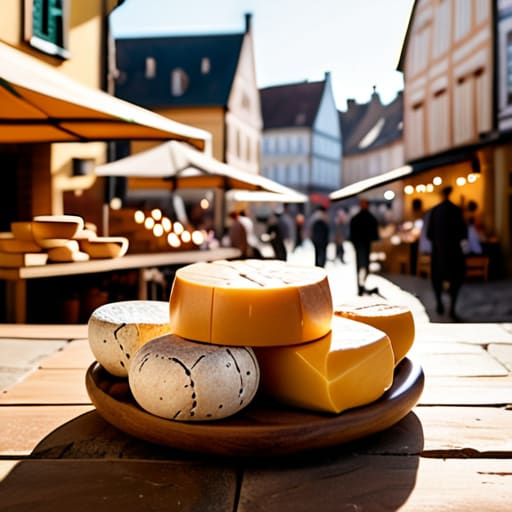
I’ve learned that the best way to experience a new town isn’t by following a GPS, but by letting my feet lead the way. When I set out on my weekend market tours, I leave my itinerary at the hotel. There is a certain rhythm to the way a crowd moves through these stalls—a slow, undulating wave of people pausing to inspect a wheel of cheese or chat with a potter. I often find myself drifting toward the back corners of the square, where the noise of the main thoroughfare fades into a gentle hum.
It’s in these quiet pockets that I truly discover the soul of a place. I might stumble upon a small stall filled with hand-carved wooden spoons or intricate textiles, realizing that supporting local vendors is about much more than just a transaction; it’s about connecting with the hands that made them. I usually end up sitting on a weathered bench, notebook in hand, trying to capture the way the shadows fall across a display of artisan goods and crafts. It’s a slow process, but that’s exactly the point.
A Few Notes from My Leather-Bound Notebook
- Bring a sturdy canvas bag and a bit of extra patience. These stalls aren’t built for speed, and you’ll want something reliable to carry your finds without the crinkle of plastic getting in the way of the experience.
- Arrive early, but not too early. There’s a sweet spot about an hour after the initial rush when the light is soft, the vendors are settled, and you can actually strike up a real conversation with the person who grew your tomatoes.
- Keep a little extra cash tucked away in your pocket. While many folks take cards these days, there’s a certain simple dignity in handing a vendor a few bills; it keeps the transaction quick and keeps the connection personal.
- Don’t be afraid to ask questions. I always ask about the soil or how long a certain peach has been ripening. Most growers are more than happy to share their craft, and it turns a simple purchase into a small lesson in history.
- Leave room for the unexpected. If you see a stall selling something you’ve never heard of, or a baker with a tray of warm, unidentifiable pastries, buy a little. The best parts of a market are often the things you didn’t plan to find.
A Few Lessons from the Market Aisles
Don’t be afraid to let your feet lead the way; the best treasures are usually found when you stop following a list and start following your nose.
Talk to the folks behind the stalls; there’s a wealth of knowledge in a vendor’s hands that you won’t find on any grocery store label.
Buy what is in season, even if it looks a little dusty or odd-shaped; that’s usually where the real flavor is hiding.
The Heartbeat of the Town
A grocery store is a place to check off a list, but a local market is a place to feel the pulse of a community; it’s where you realize that a bruised peach or a hand-knit scarf carries more soul than anything wrapped in plastic under fluorescent lights.
Bernard Oyelaran
A Final Thought from the Sidewalk
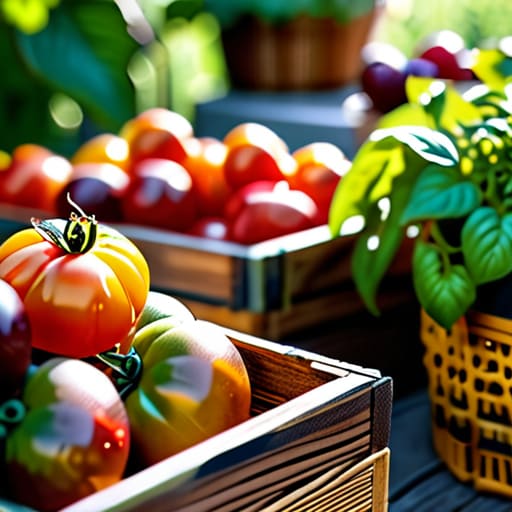
Looking back on the morning, I realize that these markets offer so much more than just a basket of heirloom tomatoes or a jar of wildflower honey. They provide a rhythm that our modern, digital lives so often lack. Between the seasonal bounty that tells us exactly what time of year it is, and the simple, aimless joy of wandering through the stalls without a checklist, we find a way to reconnect. It isn’t just about the groceries; it’s about the human connection found in a brief chat with a grower or the way the air smells of fresh basil and damp earth. When we make the effort to show up, we aren’t just shopping—we are participating in the heartbeat of the community.
As I sit here now, sketching the way the shadows fall across my empty coffee cup, I’m reminded that the best things in life rarely require a reservation or a high-speed connection. They require presence. So, the next time you feel the world moving a little too fast, I encourage you to find your local market. Don’t go with a frantic list of errands; go with an open mind. Take the long way, talk to a stranger, and let yourself linger. After all, life is far too short to rush through the very moments that make it truly worth living.
Frequently Asked Questions
Are there certain days of the week when the markets are less crowded, if I'm looking for a quieter experience?
If you’re looking to avoid the mid-morning rush, I’ve found that arriving just as the stalls are being set up—usually right when they open—is the secret. Most folks don’t roll out of bed until later, so that first hour is wonderfully still. Alternatively, aim for the final hour before they pack up. It’s much quieter then, though you might have to hunt a bit more for the best heirloom tomatoes.
Do I need to bring plenty of cash, or are most of the vendors able to take cards these days?
I’ve learned the hard way that a bit of cash goes a long way. While many of the larger stalls have embraced card readers lately, there’s still something about the smaller, family-run booths—the ones tucked in the corners—that prefers the old-fashioned way. I always keep a few folded bills in my pocket. It keeps things simple, and frankly, there’s a certain quiet satisfaction in handing over a note for a perfect peach.
What are some good ways to keep fresh produce from wilting if I'm planning to spend the afternoon wandering around?
I’ve learned the hard way that a heavy bag of greens can turn to mush by lunchtime. I usually tuck a small, insulated cooler bag into my rucksack—nothing fancy, just something to keep the chill in. For things like herbs or leafy greens, I find a damp kitchen towel works wonders if you wrap them loosely. It’s all about protecting those delicate details so they’re still vibrant when I finally sit down to cook.
