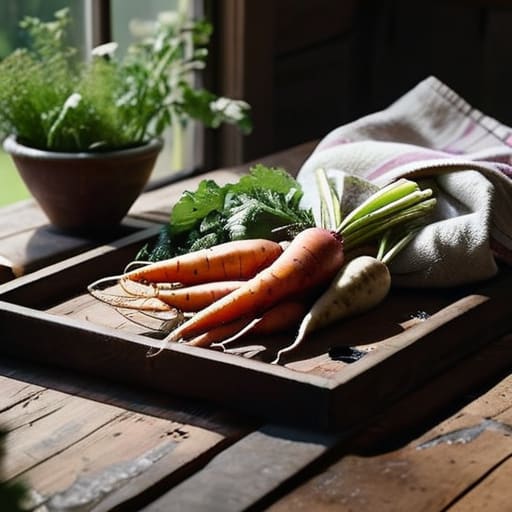
I remember sitting on a low wooden stool in my grandmother’s garden back in Michigan, my hands stained dark with damp earth as she handed me a handful of freshly pulled carrots. There was no fancy packaging, no nutritional labels, and certainly no talk of “superfood trends”—just the cold, gritty reality of root vegetables pulled straight from the soil. Lately, I see people in the city markets paying a premium for dehydrated, vacuum-sealed powders and overpriced “artisan” tubers, acting as if the simple magic of a parsnip requires a complicated manual to understand. It’s a bit silly, really; we’ve spent so much time trying to engineer nutrition that we’ve forgotten how to simply appreciate the harvest.
I’m not here to give you a lecture on glycemic indices or a list of trendy culinary gimmicks. Instead, I want to share what I’ve learned from years of slow cooking and even slower living. I promise to show you how to respect these humble ingredients, from the way you scrub them to the best way to roast them until they’re perfectly caramelized. We’re going to get back to basics and find the extraordinary in the ordinary.
Table of Contents
Finding Comfort in Nutrient Dense Tubers
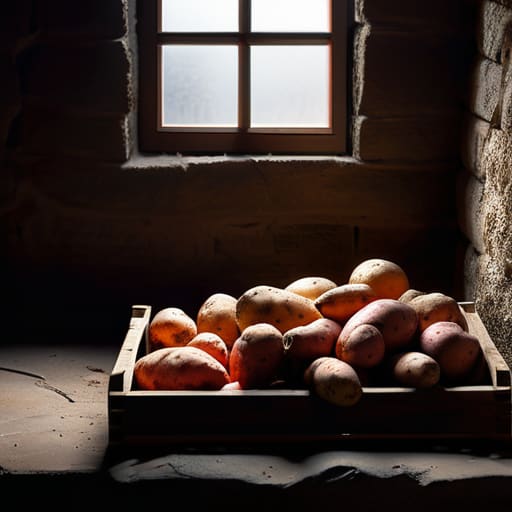
There is a particular kind of satisfaction that comes from digging into a pile of dirt-caked potatoes or sweet potatoes after a long afternoon. These nutrient-dense tubers aren’t just fuel; they feel like a steady hand on your shoulder when the weather turns cold. I remember my grandmother used to keep her harvest in a dark, cool cellar, and there was something incredibly reassuring about seeing those piles of soil-grown produce tucked away, ready to see us through the leaner months.
When I’m back in my kitchen, I tend to avoid the frantic pace of modern cooking. Instead, I lean into slow-roasted vegetable techniques, letting the oven do the heavy lifting while I tinker with one of my old Leica cameras. There is no rush. Watching a parsnip or a golden beet slowly caramelize in its own juices is a lesson in patience. It reminds me that the most substantial nourishment often requires a bit of time and a gentle heat to truly reveal its character.
The Slow Beauty of Seasonal Vegetable Storage Tips
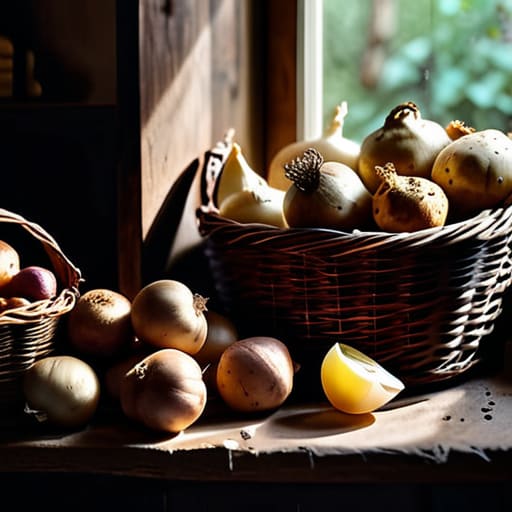
There is a certain rhythm to the way we prepare for the colder months, a quiet sort of ritual that feels much like the way I used to prepare a site for a major build—methodical and respectful of the elements. When the frost starts to bite, I find myself spending more time in the pantry, organizing my winter harvest vegetables to ensure nothing goes to waste. I’ve learned that these gifts from the earth don’t like to be rushed. A few onions and some garlic tucked away in a cool, dark corner of the larder, or a basket of potatoes kept well away from the light, can last for months if you treat them with a bit of patience.
I often think back to my days on the job site; you can’t force a foundation to set, and you certainly can’t force a harvest to stay fresh. It comes down to the environment. Keeping your carbohydrate-rich root crops in a place that is both dry and temperate is the secret. I keep a small crate in the cellar for my heavier finds, ensuring there is enough airflow so they don’t settle into something unappealing. It’s a simple way of honoring the season, making sure that when the snow finally falls, the pantry is ready to provide.
A Few Simple Ways to Honor the Harvest
- Don’t be in such a hurry to peel them. If you’re working with something like a young beet or a carrot from the local market, a quick scrub with a stiff brush is all they need. There’s a certain honesty in leaving a little bit of the earth on the skin.
- Treat your storage like a well-managed site. Keep your potatoes in a cool, dark corner—far away from the onions, of course. They don’t get along, and you’ll end up with a mess of sprouts before you know it.
- Let them roast slow and low. I’ve learned through years of trial and error that if you rush a parsnip in a hot oven, you lose that lovely, honey-like sweetness. Give them time to settle into themselves; the patience is worth the wait.
- Keep a little bit of coarse sea salt and some good olive oil on hand. You don’t need a pantry full of fancy spices to make a humble turnip sing. Sometimes, the simplest ingredients allow the actual flavor of the vegetable to speak for itself.
- Use the scraps. I always keep a small container in the freezer for onion skins and carrot tops. It feels a bit wasteful to toss them, and there is a quiet satisfaction in turning those leftovers into a rich, golden broth on a rainy afternoon.
A Few Simple Reminders for the Kitchen
Don’t rush the process; a slow-roasted parsnip or a carrot pulled straight from the earth carries a flavor that no quick-fix meal can ever replicate.
Respect the season by keeping your harvest in a cool, dark corner, allowing these humble vegetables to wait patiently for the perfect moment to be enjoyed.
Look for the imperfections, like a crooked beet or a dusty skin, because that is where the real character—and the best nourishment—is usually hiding.
The Wisdom in the Soil
There is a certain honesty in a root vegetable; it doesn’t need bright colors or flashy presentation to prove its worth. It simply waits in the dark, quiet earth, gathering its strength, until it is ready to offer something steady, nourishing, and true.
Bernard Oyelaran
A Final Thought from the Kitchen Table
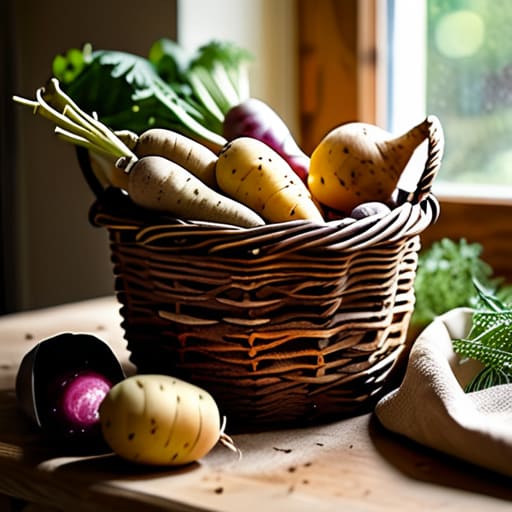
As I sit here looking over my notes, I’m reminded that these humble vegetables are more than just fuel; they are a lesson in patience. We’ve talked about the deep, restorative nutrition tucked inside a parsnip, the practical ways to keep your harvest fresh in a cool pantry, and the simple joy of watching a seasonal pantry transform. Whether you are roasting a tray of carrots to bring out their natural sweetness or carefully storing your potatoes for the winter months, you are participating in a rhythm of life that has sustained us for generations. It isn’t about complex recipes or fancy techniques, but about honoring the simple gifts that the earth provides when we take the time to look.
I often find that my best ideas come when I’m not rushing toward a deadline, but rather when I’m simply peeling a beet or watching the steam rise from a bowl of stew. There is a profound, quiet dignity in these roots, growing in the dark, waiting for their moment. So, the next time you find yourself at the market or in your own garden, I encourage you to slow your pace. Don’t just grab what is convenient; reach for something earthy, something real, and savor the quiet magic that comes with it. After all, the best parts of life are rarely found in the rush, but in the slow, steady nourishment of the moment.
Frequently Asked Questions
How do you keep them from getting soft or shriveled if you buy them in large batches from a local market?
When I pick up a heavy sack of potatoes or carrots from the farmer’s market, I treat them like precious cargo. The secret is keeping them dark, cool, and—most importantly—dry. I find a breathable spot, like a wicker basket or a burlap sack, tucked away in the pantry. Avoid the fridge for things like potatoes; it turns their starch to sugar. Just give them air to breathe, and they’ll stay firm and honest for weeks.
Are there any particular ways to roast them that bring out a bit more sweetness without needing a lot of heavy oils?
I’ve found that if you skip the heavy oils, you really have to lean into the natural sugars. I like to toss my carrots or parsnips in just a tiny bit of olive oil and a splash of apple cider vinegar before they hit the heat. The acidity balances everything beautifully. Also, don’t be afraid to let them sit in the oven a few minutes longer; that slight char is where the real magic happens.
I've always struggled with the texture of parsnips—is there a trick to making them less woody and more tender?
I know that struggle well. There’s nothing more disappointing than biting into a parsnip only to find it’s gone a bit woody and stubborn. I’ve found the trick is all in the patience. Instead of a quick sauté, try roasting them low and slow in plenty of butter or olive oil. Or, if you’re feeling ambitious, boil them in salted milk until they’re soft enough to mash. It takes time, but it’s worth the wait.
