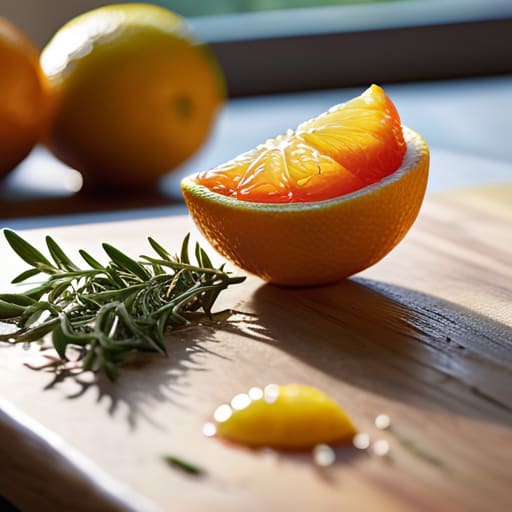
I was sitting in a small, sun-bleached café in coastal Italy last spring, watching a young man struggle with a menu that listed “artisanal citrus infusions” at prices that would make a civil engineer weep. It struck me then how much we’ve overcomplicated something so fundamentally simple. We’ve turned citrus fruits into these expensive, high-concept health trends, wrapped in fancy packaging and marketing jargon, when all they really are is a burst of sunlight captured in a rind. You don’t need a specialized workshop or a gourmet certification to appreciate them; you just need a sharp knife and a bit of patience.
In the pages ahead, I’m not going to bore you with nutritional charts or complicated recipes that require a trip to a specialty market. Instead, I want to share what I’ve learned from years of wandering through local markets and simple kitchens: how to truly taste the difference between a seasonal orange and a supermarket dud, and why the zest is often better than the juice. This is about finding the quiet joy in a simple slice of fruit, stripped of the hype and returned to its honest, bright self.
Table of Contents
Discovering Citrus Varieties and Flavors in Every Bite
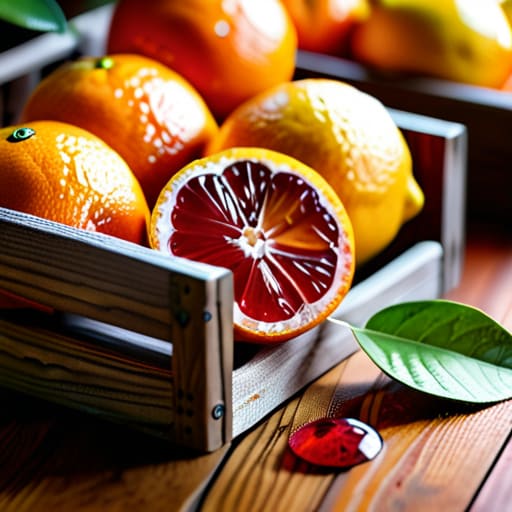
When I first started exploring the local farmers’ markets in this part of the world, I realized I knew far less about these bright, sun-colored fruits than I ever cared to admit. I used to think a lemon was just a lemon, but there is a whole world of citrus varieties and flavors waiting if you bother to look. I remember sitting on a park bench last Tuesday, peeling a blood orange that was so deep a crimson it looked like a gemstone. The juice was tart, yet carried a subtle, berry-like sweetness that a standard Navel simply can’t match.
It’s these nuances that make the experience worthwhile. I’ve even begun experimenting with citrus peel culinary uses, finding that the zest from a lime adds a brightness to a simple roasted chicken that no amount of salt could replicate. There is a certain rhythm to it—learning when the Meyer lemons are at their peak or when the grapefruit offers that perfect, bracing acidity. It isn’t just about eating; it’s about learning the subtle language of the seasons, one slice at a time.
A Seasonality Guide to Finding Natures Perfect Ripe Moment
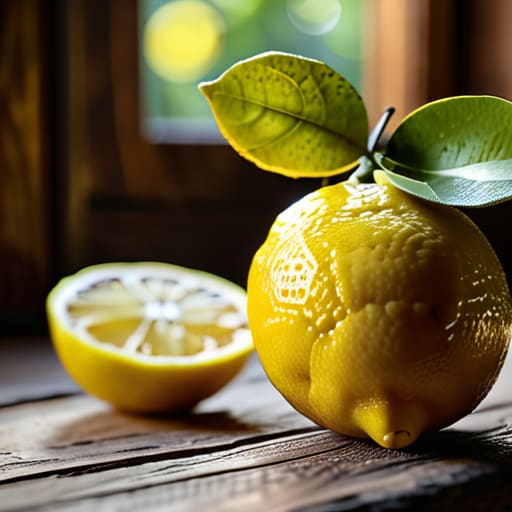
I’ve learned over the years that timing is everything. In my engineering days, we lived by strict schedules and blueprints, but nature doesn’t care for a stopwatch. If you want to truly appreciate the depth of different citrus varieties and flavors, you have to learn the rhythm of the seasons. There is a profound difference between a lemon plucked in the height of its season and one forced through a greenhouse in the dead of winter; the former carries a brightness that feels almost alive.
I find myself checking the local markets more closely now, looking for that specific window when the skins are heavy and the scent is intoxicating. Following a simple citrus fruit seasonality guide has changed how I shop. Instead of grabbing whatever looks shiny on the supermarket shelf, I wait for the late winter arrival of blood oranges or the early spring sweetness of tangerines. It’s a lesson in patience. When you wait for that perfectly ripe moment, the reward isn’t just better taste—it’s the quiet satisfaction of being in sync with the world around you.
Small Rituals for a Better Harvest
- When you’re at the local market, don’t just look at the color. Give a lemon or an orange a gentle squeeze; you’re looking for a bit of give, like a ripe peach, which tells you the juice is tucked tight inside the skin.
- I’ve found that the zest is where the real soul of the fruit lives. Instead of rushing to juice everything, take a moment to grate a little bit of that bright, fragrant peel over your morning yogurt or a piece of toast.
- If you find a fruit that feels a bit too firm or stubborn, don’t toss it. Let it sit in a small bowl of room-temperature water for a few minutes; it can sometimes coax a little more life back into the rind.
- Don’t be afraid of the scent. I often find myself just sitting with a sliced grapefruit, letting the sharp, clean aroma fill the air before I even take a bite. It’s a simple way to clear the mental cobwebs.
- To keep your citrus fresh for more than a few days, keep them out of the refrigerator if you can. A cool, dry spot on the counter—away from the direct glare of the sun—keeps them tasting much more like they were just picked.
Savoring the Small Things
Don’t rush the process; let the scent of a freshly peeled orange or a squeeze of lime be a signal to slow your breathing and just be present.
Respect the seasons by seeking out fruit when it’s truly ready, as the patience required for the right moment always yields a sweeter reward.
Treat every piece of fruit as a sensory experience rather than just a snack, noticing the texture of the rind and the bright, sharp burst of flavor.
## A Small, Bright Reminder
There’s a certain kind of honesty in a piece of fruit—the way a sun-warmed orange yields its scent the moment you break the skin, reminding you that the best things in life don’t need to be complicated, they just need to be tasted slowly.
Bernard Oyelaran
A Bittersweet and Bright Farewell
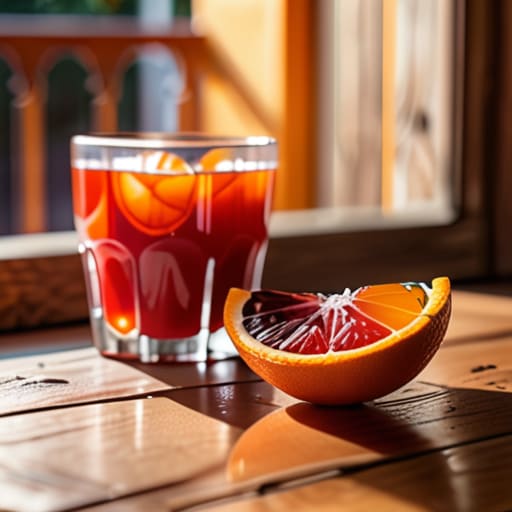
As I sit here in this small cafe, finishing the last few segments of a blood orange, I’m reminded of how much we’ve covered. From navigating the subtle differences between a tart lime and a honeyed tangerine to understanding the simple rhythm of when each fruit reaches its peak, it really comes down to one thing: paying attention. Whether you are hunting for the perfect grapefruit at a local market or simply slicing a lemon to brighten a weekday meal, knowing the nuances of these bright, zesty treasures makes the experience so much richer. It turns a simple snack into a small, intentional discovery.
I often think back to my days on construction sites, where everything was about speed, precision, and meeting the next deadline. But these days, I find more satisfaction in the slow peel of a clementine or the way the sunlight catches a glass of freshly squeezed juice. Don’t let the rush of the world rob you of these tiny, fragrant joys. Next time you find yourself reaching for a piece of fruit, I encourage you to slow down. Take a moment to smell the zest, feel the texture, and truly taste the season. After all, life is found in the details.
Frequently Asked Questions
How can I tell if a citrus fruit is truly ripe and sweet just by holding it in my hands?
I’ve learned over the years that you can’t rush a good thing, and that applies to fruit, too. When I’m at a local market, I don’t just look at the color; I pick them up. You’re looking for weight. A ripe orange should feel heavy for its size, as if it’s brimming with juice. Give it a gentle squeeze—it should have a bit of give, like a firm cushion, rather than feeling like a hard stone.
Are there any simple ways to use the leftover peels so they don't just end up in the compost?
I’ve always felt that tossing a peel is a bit like throwing away a small piece of art. If you have a bit of extra time, I like to toss some zest into a jar of sugar; it creates a lovely, fragrant rub for baking. Or, if you’re feeling more practical, simmering peels in a bit of white vinegar makes a wonderful, bright-smelling cleaner for the kitchen counters. It’s a small way to honor the whole fruit.
Which citrus varieties tend to hold up best if I'm planning to bring them along on a long walk or a picnic?
If you’re packing a bag for a long afternoon wandering the trails, I’d steer clear of anything too delicate. I usually reach for clementines or easy-peelers; they’re sturdy enough to survive a bit of jostling in my satchel and don’t require a knife to enjoy. Or, if you don’t mind a little mess, a firm navel orange is a reliable companion. Just tuck them into a small container so they don’t bruise while you’re walking.
