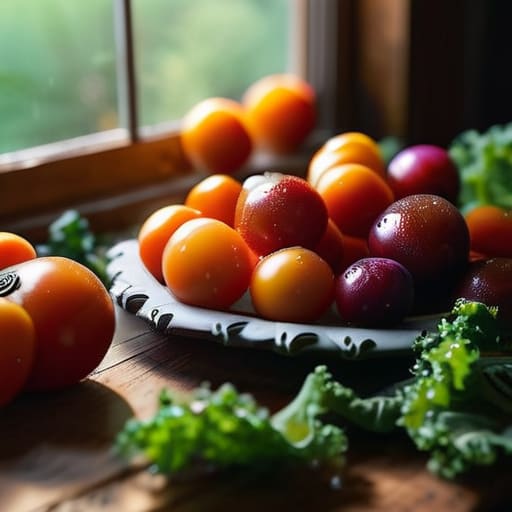
I remember sitting on a rusted bench in a small market outside of Ann Arbor, watching a man peel a peach that looked like it had been kissed by the sun itself. The scent was heavy, sweet, and honest—nothing like those pale, watery imitations you find in the supermarket aisles in the middle of January. It struck me then that we’ve been sold a lie that we can have everything, all the time, if we just pay enough for it. But there is a profound, hollow emptiness in eating a tomato in winter; it’s a fruit without a soul. To truly understand the flavor of a place, you have to respect the rhythm of seasonal produce and accept that some things are simply meant to wait.
I’m not here to give you a lecture on nutritional density or complex meal prep hacks. Instead, I want to share what I’ve learned from years of wandering through farmers’ markets and watching the earth do its work. I’ll show you how to spot the real gems, how to know when the wait is finally over, and why savoring the slow rhythm of the seasons is the best way to actually taste your food.
Table of Contents
Finding Peak Ripeness Flavor Profiles in Every Bite
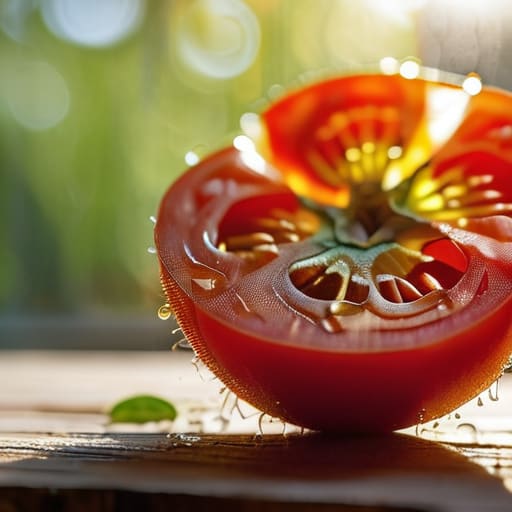
There is a particular kind of heartbreak in biting into a tomato in mid-February, only to realize it tastes more like water and cardboard than anything resembling fruit. When we bypass the natural rhythm of the earth, we lose those peak ripeness flavor profiles that make a simple meal feel like a celebration. I’ve learned that waiting for the right moment—when a peach is heavy with juice or a corn cob is just beginning to sweeten—is worth every bit of the delay. It’s about more than just taste; it’s about honoring the time it takes for something to truly become itself.
Beyond the kitchen table, there is a deeper satisfaction in knowing where my food begins its journey. I find a great deal of peace in supporting local agriculture, as it connects me to the very soil and hands that tend the land. When we align our plates with the local seasonal produce calendar, we aren’t just eating better; we are participating in a much older, more intentional way of living. It turns a mundane grocery trip into a quiet act of connection with the world around us.
A Seasonal Produce Calendar for Mindful Living
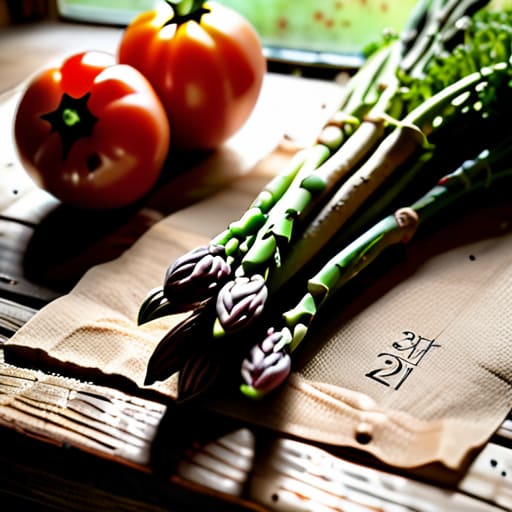
I’ve found that keeping a simple seasonal produce calendar on my kitchen wall does more than just help with meal planning; it acts as a steady heartbeat for the year. In the spring, my thoughts turn to the bright, crisp snap of asparagus and those first tender greens. As the heat of summer settles in, the heavy, sun-warmed weight of a tomato becomes the center of my world. There is a profound sense of peace that comes from aligning your appetite with the rhythm of the earth rather than fighting against it.
Following these natural cycles is also a quiet way of practicing stewardship. When I seek out what is currently in abundance, I am naturally supporting local agriculture and ensuring that the food on my plate hasn’t traveled halfway across the globe to reach me. It’s a small, manageable way of reducing my carbon footprint through diet, one intentional grocery trip at a time. To me, eating this way isn’t about strict rules or following a complex regimen; it’s simply about being present for the flavors that the current month has to offer.
Small Habits for a More Flavorful Kitchen
- Don’t be afraid to visit the local farmer’s market on a Tuesday morning when the crowds have thinned; that’s usually when the best, most irregular-looking heirloom tomatoes are left sitting on the crates.
- Learn to trust your nose more than the sticker on the fruit; a peach should smell like a summer afternoon, not like a piece of plastic from a grocery aisle.
- Keep a small stash of dried herbs from the previous season in your pantry, but use them sparingly to bridge the gap when the fresh garden varieties decide to take a nap.
- Buy what’s abundant, not just what’s trendy; when the corn is coming in thick and heavy, lean into it, because that’s when the price is right and the sweetness is at its peak.
- Embrace the “ugly” produce—the bruised apple or the crooked carrot often holds more character and a deeper sense of the earth than the perfectly polished specimens.
A Few Things to Carry With You
Don’t be afraid to let the seasons dictate your plate; there is a profound satisfaction in eating what the earth is actually ready to give.
Slow down at the market and look for the imperfections—the slightly bruised peach or the knobby heirloom carrot often hold the most character and flavor.
Treat your grocery trips as a quiet ritual rather than a chore, using the colors and scents of the produce to ground yourself in the present moment.
## The Wisdom of the Soil
There is a certain honesty in a peach that has actually spent time ripening on a branch; it doesn’t try to be perfect, it just tries to be itself, and in that simplicity, you find a flavor that no grocery store aisle can ever replicate.
Bernard Oyelaran
The Beauty of the Slow Season
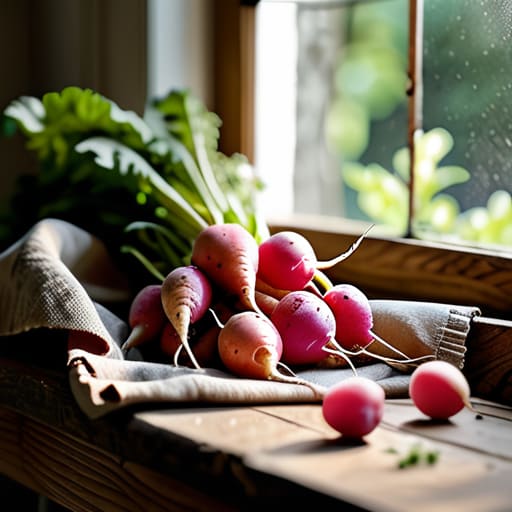
As I sit here in this little cafe, sketching the way the light hits the window, I’m reminded that eating seasonally is about more than just nutrition or avoiding the supermarket aisles. It is about understanding the rhythm of the calendar—knowing when to reach for the crisp, bright snap of a spring radish and when to settle in for the heavy, comforting sweetness of a late-summer peach. By following these cycles, we aren’t just eating better; we are aligning ourselves with the natural world and honoring the hard work of the farmers who make it all possible. It really does come down to intentionality—choosing to eat what is ready, right now.
I know the world feels like it’s moving faster every day, a constant rush toward the next deadline or the next big thing. But I’ve learned through my years of engineering and my even longer years of wandering that the best things in life cannot be rushed. A tomato doesn’t ripen faster just because you’re in a hurry, and neither does a life well-lived. So, the next time you find yourself at a local market, I encourage you to linger a little longer. Pick up a piece of fruit, feel its weight, and remember that there is profound grace in simply waiting for the season to provide.
Frequently Asked Questions
How can I tell if a piece of fruit is truly ripe if I can't smell it or see its color clearly at the market?
When I’m at a market and the lighting is dim, I rely on my hands. Give the fruit a gentle squeeze—not a squeeze, mind you, but a soft press. A ripe peach should yield slightly, like a sponge, while a melon should feel heavy for its size, as if it’s holding onto all that sweetness. Sometimes, a simple weight check tells you more than a quick glance ever could.
What are some simple ways to preserve the flavors of summer produce so I can enjoy them during the leaner winter months?
I’ve found that there’s a certain satisfaction in capturing summer’s warmth before the frost sets in. For me, it’s about simplicity. I often find myself slicing up peaches or tomatoes and letting them dry slowly in the oven—it concentrates that sunshine into something intense and wonderful. Or, if I’m feeling a bit more hands-on, I’ll tuck some herbs into olive oil. It’s a way of making sure the season lingers on my table.
Is it worth the extra effort and cost to seek out local farmers' markets, or can I find similar quality at my regular grocery store?
I’ll be honest: the grocery store is fine for when you’re in a rush, but it lacks soul. There’s a world of difference between a tomato bred for shelf-life and one grown in the soil just ten miles down the road. Is it more effort? Yes. But when you shake a farmer’s hand and taste that sun-warmed sweetness, you realize you aren’t just buying food—you’re participating in the season. It’s worth every penny.
