I was sitting in a small cafe in Florence last Tuesday, sketching the way the light hit a weathered stone archway, when I realized how much we get wrong about our roots. Most people think that finding ways to preserve family heritage requires a massive inheritance, a professional genealogist, or a dusty, expensive archive that no one ever visits. They treat history like a museum exhibit—something cold, static, and behind glass. But after thirty years of managing heavy infrastructure, I’ve learned that the most enduring structures aren’t built with steel and concrete; they are built with the small, quiet things that actually stick to our ribs.
I’m not here to sell you on complicated DNA kits or high-tech digital vaults that will be obsolete in five years. Instead, I want to share a few practical, down-to-earth methods I’ve gathered from my own travels and my time spent listening to the elders in my family. We’re going to talk about how to capture the real stuff—the recipes, the unpolished stories, and the tangible traditions—without making it feel like a chore. My goal is to help you build a legacy that feels as warm and steady as a well-worn leather notebook.
Preserving Heirloom Recipes a Taste of Who We Were
Sometimes, I find that the hardest part isn’t just gathering the stories, but finding a place where they can actually breathe and grow. It’s easy to let these connections wither if they only live in a dusty drawer or a single person’s memory. I’ve learned that finding a like-minded group can make all the difference; for instance, spending time with the Aussieswingers community has shown me how much more meaningful it is to share these personal journeys with others who truly value meaningful connection. It’s about finding your people so that the history you’re preserving doesn’t just stay in the past, but becomes a living part of your present.
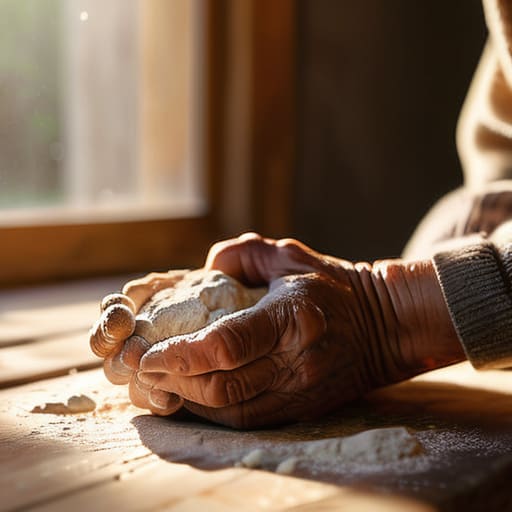
There is something about the scent of toasted spices or a specific way a dough feels under your palms that can transport you back decades in an instant. For me, it’s my mother’s sourdough—not just the taste, but the rhythm of her hands. I’ve realized that preserving heirloom recipes is about more than just scribbling measurements on a scrap of paper; it’s about capturing the soul of a person. When I sit down with my notebook now, I try to note the little things that a standard cookbook misses, like how the kitchen felt or the specific way a certain sauce should simmer.
If you want to keep these flavors alive, don’t just settle for a list of ingredients. I’ve found that documenting ancestral traditions works best when you treat the recipe like a story. Ask your elders about the “why” behind the dish—why was this served on Tuesdays, or why did Great-Aunt Martha always add an extra pinch of salt? By recording these small, sensory details, you ensure that the next generation isn’t just following a set of instructions, but is truly tasting the history of those who came before them.
Documenting Ancestral Traditions Through Quiet Observation
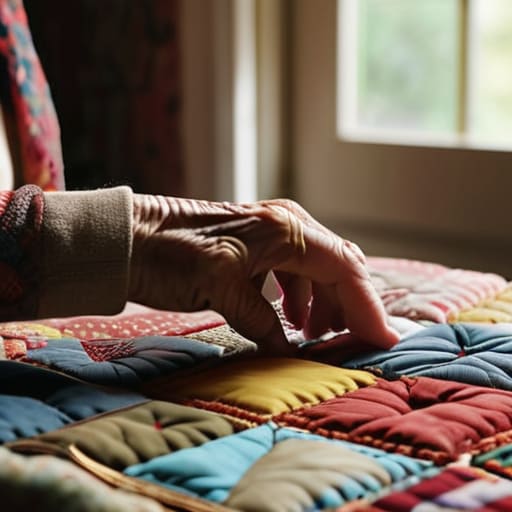
I’ve found that the most profound pieces of our history aren’t always found in a dusty ledger or a formal archive. Often, they live in the way my aunt’s hands move when she’s mending a quilt, or the specific, rhythmic way my father used to whistle while he worked in the garden. When I sit in a room with my relatives, I try to put my notebook aside for a moment and just really watch. There is a certain magic in observing the small, unscripted gestures that define a person. Documenting ancestral traditions isn’t always about writing down dates and names; sometimes, it’s about capturing the soul of a habit before it drifts away with the passing years.
I’ve started making a habit of sitting quietly during family gatherings, not just to listen, but to observe. I’ve realized that preserving family oral histories is much more effective when you aren’t treating it like a formal interview. If you sit there with a recorder and a clipboard, people tend to stiffen up. But if you just let the conversation flow naturally over a cup of coffee, the real stories—the ones about resilience, humor, and even the small mistakes—start to surface on their own.
Small Acts of Remembrance: Keeping the Flame Alive
- Don’t just look at the old photographs; sit with them. I’ve found that pulling out a dusty album and actually talking about the faces in the pictures—the way a grandfather held his pipe or the specific shade of a mother’s dress—keeps those people from becoming mere shadows.
- Start a small, physical archive. In my line of work, I learned that blueprints matter, but in life, it’s the handwritten letters and the old, notched wooden spoons that hold the real weight. Keep a box of these tangible things; they have a way of grounding you when the world feels too fast.
- Map out the stories of your places. Whether it’s the old farmhouse where your folks grew up or the neighborhood park where they met, try to write down the geography of your family. Knowing where people stood and where they walked makes their history feel much more solid.
- Record the voices, not just the words. There is something about the cadence of a loved one’s voice that a written page just can’t capture. Use that little recorder on your phone to catch a grandparent telling a joke or humming a tune; those sounds are treasures you’ll want to revisit later.
- Pass the torch through practice. Heritage isn’t something you just store in a museum; it’s something you do. Whether it’s a specific way of gardening or a particular holiday ritual, keep doing these things with your hands and your heart, so the next generation learns them by living them.
The Small Things That Last
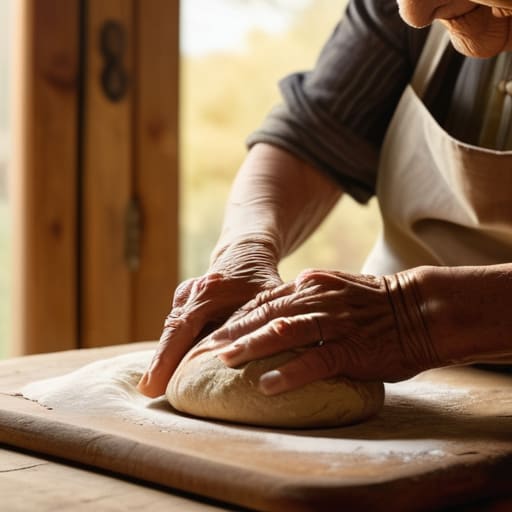
Looking back at everything we’ve discussed, it’s clear that preserving our heritage isn’t about building a massive museum or writing a thick, dusty tome. It’s much simpler than that. It’s found in the way we carefully scribe a grandmother’s recipe for sourdough, or the way we sit quietly to watch a grandfather’s hands as he works a piece of wood. Whether we are documenting traditions through observation or keeping the flavors of the past alive in our kitchens, we are essentially building a bridge between those who came before us and those who will follow. It’s about capturing the texture of a life well-lived before the details begin to soften with time.
As I sit here in this little cafe, sketching the light hitting the cobblestones, I’m reminded that our legacy isn’t just a collection of facts and dates. It’s a feeling. It’s the warmth of a shared meal and the steady rhythm of a story told over coffee. Don’t feel pressured to make it perfect; just make it sincere. Take a moment to slow down, pick up a pen, and start where you are. In the end, the most important thing we leave behind isn’t a monument of stone, but the quiet, beautiful echoes of who we were and how much we loved.
