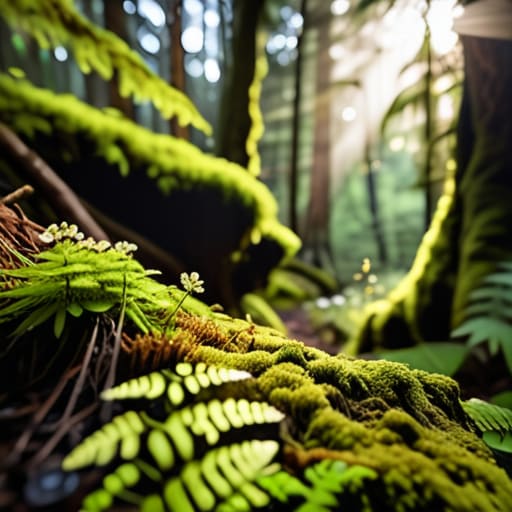
I was sitting on a mossy log in the Upper Peninsula last Tuesday, trying to get the light right on my old Leica, when I realized how much the modern world has managed to complicate something as simple as a walk in the woods. You see these wellness influencers online trying to sell you expensive retreats and “mindfulness certifications” just to teach you how to sit under a tree. It’s a bit ridiculous, isn’t it? They’ve taken the concept of forest bathing and turned it into a luxury commodity, when in reality, it’s nothing more than the simple act of letting the damp scent of pine and the quiet rhythm of the wind settle your nerves.
I’m not here to sell you a lifestyle or a complicated ritual involving crystals and chanting. What I want to do is share what I’ve learned from decades of wandering—the kind of uncomplicated wisdom you only get when you stop checking your watch and start looking at the ferns. I’ll tell you how to find your own quiet corner, how to actually use your senses to ground yourself, and why a bit of dirt under your fingernails might be the best medicine for a cluttered mind.
Table of Contents
Embracing Mindfulness in Nature to Savor the Present Moment
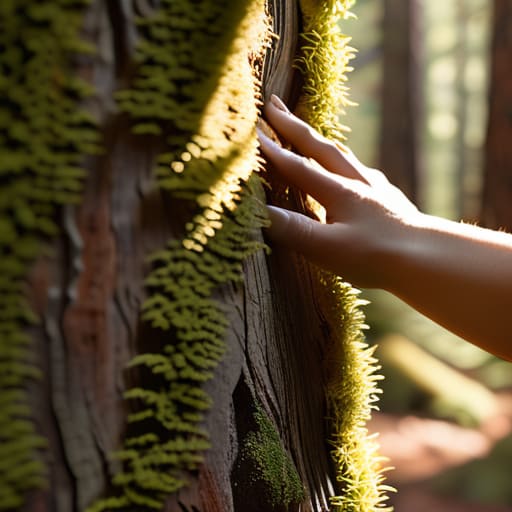
I’ve found that when I’m out among the pines, the hardest part isn’t the walking; it’s the unlearning. We spend so much of our lives rehearsing the future or dissecting the past that we forget how to simply be where our feet are. I like to practice a bit of sensory engagement with trees, letting my hands brush against the rough, honest texture of cedar or oak. It’s a way of grounding myself, pulling my attention away from the mental clutter and back into my own skin.
It isn’t about achieving some perfect state of zen, but rather about noticing the small things—the way the light filters through a canopy or the specific, sharp scent of damp pine needles. There is a quiet science to it, too; I’ve read about how inhaling those forest scents, those organic compounds known as phytoncides, can actually help bolster our immune systems. But for me, the real magic is simpler. It’s the way the world feels a little less heavy when you finally stop trying to manage it and just let the forest be your companion for a while.
The Quiet Magic of Stress Reduction Through Nature

I remember the years when my life was governed by blueprints and strict deadlines. Back then, my stress felt like a constant, low-frequency hum in my chest—something I just accepted as part of the job. But lately, I’ve found that the most effective way to silence that hum isn’t through a pill or a rigid schedule, but through simple stress reduction through nature. There is something profoundly humbling about standing beneath a canopy of oaks; they don’t care about my missed deadlines or my aging joints. They just exist.
It isn’t just in my head, either. I’ve been reading up on the science behind why we feel so much better after a long stroll through the woods. It turns out that trees actually release organic compounds called phytoncides, which we breathe in during our walks. These tiny, invisible messengers do wonders for the immune system and help settle our frantic nervous systems. It’s a quiet, biological handshake between the earth and our bodies. When I sit on a mossy log and just breathe, I can almost feel that tension leaving my shoulders, replaced by a stillness that no city park could ever provide.
A Few Simple Ways to Find Your Rhythm Among the Trees
- Leave the gadgets behind. I know, it’s tempting to snap a photo of every interesting leaf, but try leaving the phone in your pocket—or better yet, in the car. If you’re constantly looking through a screen, you aren’t really there.
- Let your feet lead the way. This isn’t a hike for a fitness tracker; there’s no need to clock miles or hit a certain pace. Just wander. If a particular mossy log looks inviting, sit on it. If a trail bends unexpectedly, follow it.
- Engage all your senses, not just your eyes. Stop for a moment and listen to the way the wind moves through the high canopy, or notice the heavy, sweet scent of pine needles after a light rain. It’s these small details that ground you.
- Bring a little something for your quiet moments. I always bring my leather-bound notebook, not to work, but just to jot down a thought or sketch the way the light hits a trunk. Having a way to record the stillness helps you hold onto it.
- Practice the art of doing nothing. It sounds counterintuitive, but the real magic happens when you stop trying to “achieve” a state of relaxation and simply exist. Sit still long enough, and eventually, the forest will start to feel like it’s breathing right along with you.
A Few Small Reminders for Your Next Walk
Leave the phone in your pocket; you won’t miss much, but you’ll see a lot more if you aren’t looking at a screen.
Don’t worry about how far you’ve walked or how many steps you’ve taken—just focus on the way the light hits the leaves or the smell of the pine needles.
Treat nature like an old friend rather than a destination to check off a list; there is no rush, and there is no finish line.
A Lesson from the Canopy
“In my engineering days, I was always looking for the most efficient route from point A to point B. But out here, under the shade of an old oak, I’ve realized that the point isn’t reaching the end of the trail—it’s the way the light filters through the leaves while you’re standing perfectly still.”
Bernard Oyelaran
Finding Your Way Back to the Quiet
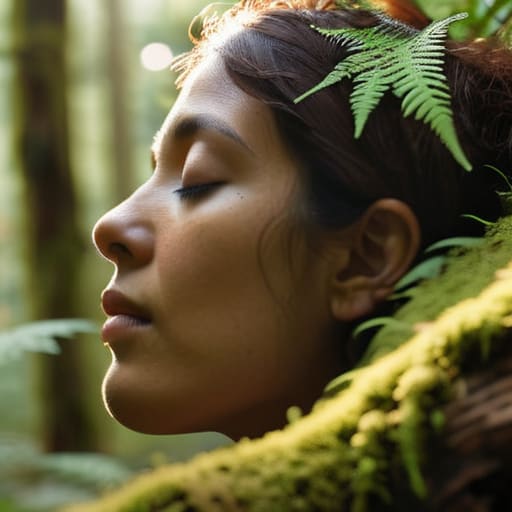
Looking back on everything we’ve discussed, it’s clear that forest bathing isn’t about some complex ritual or a checklist of wellness goals. It’s simply about the act of showing up for yourself. We’ve talked about how stepping into the canopy can quiet that constant mental chatter and how the simple presence of trees can lower our stress in ways a gym session never could. It’s about reconnecting with the rhythm of the earth rather than the frantic pace of our digital lives. Whether you are finding mindfulness in the dappled sunlight or using the woods to find a sense of peace, the goal is the same: to stop running and start noticing.
As I sit here in my garden, sketching the way the light hits the oak leaves, I’m reminded that the world doesn’t need us to be productive every single second of the day. Sometimes, the most productive thing you can do is absolutely nothing at all—just sitting, breathing, and being. So, my advice is simple: find your own patch of green, leave the phone in the car, and let the woods do the heavy lifting. Don’t wait for a grand vacation to find this peace; the healing is waiting right in your own backyard, if only you take the time to walk toward it.
Frequently Asked Questions
Do I really need to go deep into the wilderness for this to work, or can I find the same peace in a local park?
Not by a long shot. I’ve learned that the “wilderness” isn’t a specific coordinate on a map; it’s a state of mind. While a deep forest has its charms, there is just as much magic in the shade of an old oak in your local park. If you can sit on a bench, tune out the traffic, and truly notice the way the light hits the grass, you’ve found it.
Is there a specific way I should be "doing" it, or is it okay if my mind still wanders back to my to-do list?
Listen, if you’re waiting for your mind to go completely silent, you’re going to be waiting a long time. I’ve spent years trying to force my brain to stop calculating load stresses or thinking about my next meal, and it never works. When your thoughts drift back to that to-do list, don’t fight them. Just notice the thought, let it pass like a cloud, and gently bring your attention back to the rustle of the leaves.
How much time should I actually spend among the trees to start feeling that sense of calm?
I used to think I needed a whole weekend in the mountains to reset, but I’ve learned that’s not quite how it works. Honestly, even twenty minutes can shift your perspective. If you can find a patch of woods and just sit there—no phone, no agenda—you’ll start to feel the rhythm change. Don’t rush it. Whether it’s a quick stroll or an afternoon by the creek, just let the time pass naturally.
