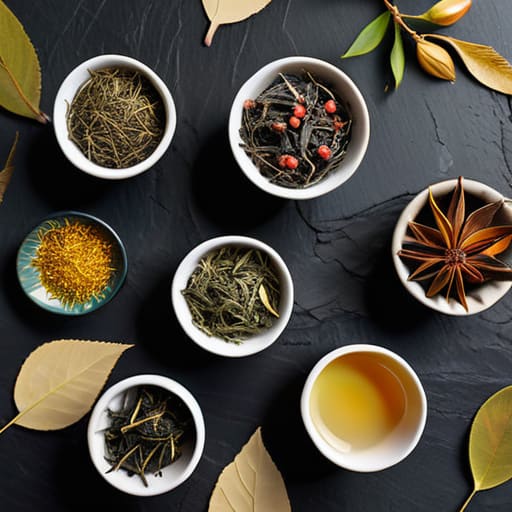
I was sitting in a small, sun-drenched cafe in Kyoto last spring, watching a young man struggle with a menu that looked more like a technical manual than a list of drinks. He was staring at a dozen different tea varieties, looking utterly defeated by terms like “oxidative levels” and “terroir.” It struck me then how much we’ve allowed the world to complicate something that should be so simple. People act like you need a degree in botany or a massive bank account just to enjoy a decent cup of something warm. To be honest, most of that high-priced, pretentious jargon is just noise designed to make you feel like you’re missing out.
I’m not here to teach you how to perform a complex ceremony or spend a fortune on rare leaves. Instead, I want to share what I’ve learned from years of slow travel and even slower mornings: how to actually recognize what you like. I’ll walk you through the different tea varieties by how they feel and how they taste, stripping away the nonsense so you can find the ones that actually suit your mood. My goal is to help you find that perfect, quiet companion for your next long walk or afternoon sketch.
Table of Contents
The Gentle Art of White Tea Production Process
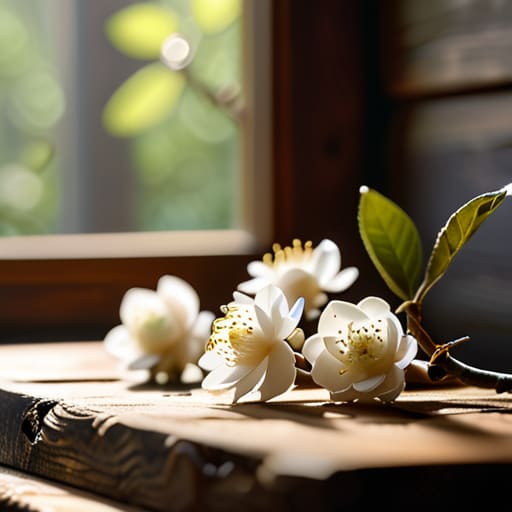
There is something inherently honest about the white tea production process. Unlike the more intensive methods used for black or even some oolong tea characteristics, white tea asks for very little intervention. It begins with the youngest, most tender buds of the camellia sinensis species. These tiny leaves aren’t crushed or rolled; they are simply harvested and allowed to wither and dry, often just by the warmth of the sun or a gentle, controlled air circulation. It’s a method that respects the plant’s original state, much like how I prefer to approach my old camera restorations—minimal interference, letting the natural mechanics speak for themselves.
Because the leaves undergo such minimal oxidation, the resulting liquor is incredibly delicate. You won’t find the heavy, tannic punch of a breakfast blend here. Instead, the tea tasting notes tend to lean toward subtle whispers of honeysuckle or fresh hay. Because the processing is so light, it also tends to have a lower caffeine content in tea compared to its darker cousins, making it a perfect companion for a slow afternoon when you just want to sit and watch the light shift across the garden.
Discovering Oolong Tea Characteristics in a Quiet Moment
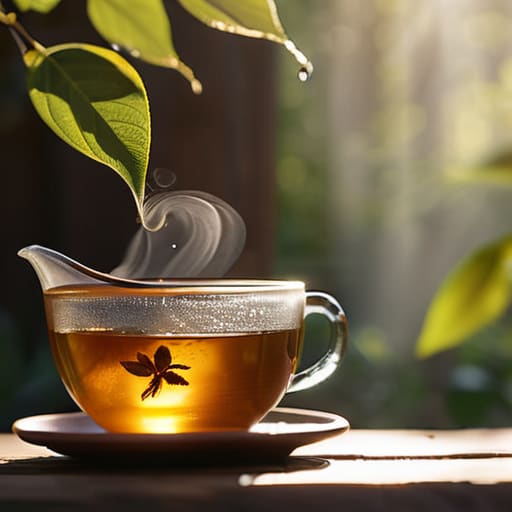
If white tea is a soft whisper, then oolong is a steady, meaningful conversation. I found myself sitting on a weathered bench in a small garden yesterday, watching the light shift through the trees, when I decided to steep a small pot of Tieguanyin. Unlike the delicate, almost ethereal nature of the white tea I wrote about earlier, oolong presents a more complex character. As the leaves unfurl in the water, you begin to notice those distinct oolong tea characteristics—a certain floral brightness that eventually settles into a deep, toasted sweetness.
I’ve learned that patience is just as important here as it was when I was managing construction sites; you can’t rush the results. I find that being mindful of my tea brewing temperatures makes all the difference. If the water is too aggressive, you lose that nuanced middle ground that makes this leaf so special. I sat there for a long while, scribbling a few quick sketches in my notebook, simply letting the steam rise and the flavors evolve. It’s a wonderful way to bridge the gap between a morning’s energy and an afternoon’s stillness.
A Few Simple Ways to Approach Your Next Cup
- Don’t be afraid to start with something lighter. If you’re used to the heavy punch of a dark roast coffee, jumping straight into a delicate white tea might feel underwhelming. Think of it like a soft watercolor versus an oil painting; sometimes the subtle shades are what you need most.
- Pay attention to the temperature of your water. I’ve learned the hard way that pouring boiling water over delicate green leaves is a bit like rushing a conversation—it scalds the nuance right out of it. Let the water sit for a minute or two before you pour.
- Keep a small notebook nearby, much like I do for my sketches. Jotting down how a particular oolong makes you feel, or how the scent changes as the leaves unfurl, helps you turn a simple habit into a real sensory experience.
- Match your tea to the rhythm of your day. A robust black tea feels right when the morning is brisk and there’s work to be done, but a gentle herbal infusion is much better suited for that quiet hour just before the sun dips below the horizon.
- Trust your own palate over the labels on the tin. Just because a box claims to be “premium” doesn’t mean it will resonate with you. The best tea is simply the one that makes you want to sit still for a little while longer.
A Few Small Reminders for Your Next Steep
Don’t be afraid to let the tea sit; whether it’s a delicate white tea or a complex oolong, the best flavors usually reveal themselves when you aren’t in a hurry.
Pay attention to the ritual rather than just the caffeine—the way the water changes color and the warmth of the cup in your hands are just as important as the taste.
There is no “right” way to enjoy a cup, so find the corner of the room or the view out the window that makes you feel most at peace while you sip.
## More Than Just Leaves and Water
I’ve come to realize that choosing a tea isn’t about checking off a list of health benefits; it’s about matching your spirit to the brew. Some days require the bright, sharp clarity of a green tea to wake the mind, while others call for the deep, honeyed patience of an oolong to settle the soul.
Bernard Oyelaran
Finding Your Own Steep
As I sit here by the window, my leather-bound notebook open to a half-finished sketch of the garden, I find myself reflecting on how much we’ve covered. From the delicate, barely-processed grace of white tea to the complex, rolling layers of flavor found in a well-crafted oolong, each variety offers its own distinct way of interacting with the world. There is no right or wrong way to approach these leaves; there is only the personal discovery of what resonates with you in a given moment. Whether you are seeking the subtle lightness of a morning steep or the deep, roasted character of something more robust, the real magic lies in the intentionality of the ritual rather than the complexity of the leaf itself.
If there is one thing I have learned from years of managing chaotic construction sites and now finding peace in these quiet afternoons, it is that we often miss the best parts of life because we are looking too far ahead. Tea is a wonderful teacher in this regard. It cannot be rushed, and it cannot be forced; it requires you to wait, to watch, and to simply be present. So, the next time you find yourself feeling rushed or overwhelmed, I encourage you to put down the phone, find a comfortable chair, and let a single cup of tea remind you that life is meant to be savored, one slow sip at a time.
Frequently Asked Questions
How do I know if I'm brewing the tea at the right temperature so I don't burn the leaves?
I used to think heat was just heat, but tea is more delicate than that. If you don’t have a thermometer handy, watch the steam. If it’s rolling off the kettle in thick, violent clouds, it’s likely too hot for anything but black tea. For those lighter greens or whites, let the kettle sit for a few minutes after it whistles. You want a gentle, lazy curl of steam—that’s the sweet spot.
Is there a particular time of day when one variety might be better than another for staying relaxed?
I’ve found that timing is everything when it comes to keeping that steady sense of calm. If I’m looking to wake the senses gently in the morning, a light green tea is my go-to. But as the sun begins to dip, I find myself reaching for a mellow oolong or even a delicate white tea. They offer a soft warmth that settles the spirit without making me feel heavy, perfect for those quiet evening hours.
If I'm just starting out, which of these teas is the easiest to enjoy without needing a whole set of fancy equipment?
If you’re just looking to ease in without a cabinet full of specialized pots and timers, I’d suggest starting with a good quality black tea or even a simple green tea. You don’t need much more than your favorite sturdy mug and some boiling water. There’s no shame in letting a tea bag steep while you watch the birds outside. It’s about the warmth in your hands, not the complexity of the tools.
