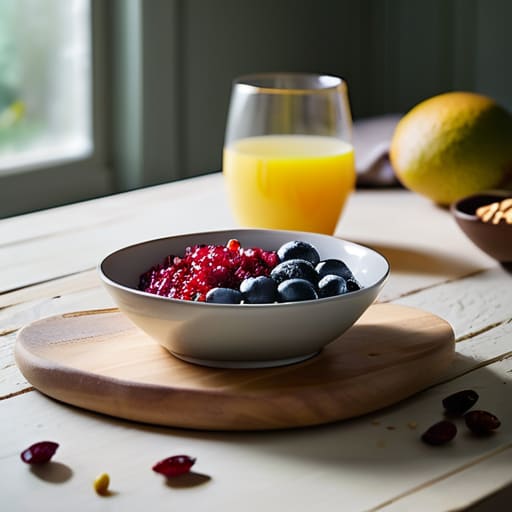
I was sitting in a small cafe in coastal Portugal last Tuesday, watching a young man hunched over his laptop, frantically scrolling through some new app that promised to “optimize” his micronutrient intake. It struck me how much we’ve turned the simple act of eating into a high-stakes engineering project. We’ve become so obsessed with tracking, counting, and chasing the latest expensive superfood trends that we’ve completely lost the soul of food and wellness. To my mind, true health isn’t found in a colorful pill or a complicated algorithm; it’s found in the rhythm of a real meal and the quiet satisfaction of a body that isn’t being rushed through its day.
I’m not here to sell you a fad diet or a complicated supplement regimen. Instead, I want to share what I’ve learned from decades of living, traveling, and occasionally making a mess of things in my own kitchen. I’ll be offering a few straightforward, common-sense observations on how to nourish yourself without turning your life into a chore. We’re going to look at how simple, seasonal ingredients and a slower pace of life can do more for your well-being than any gadget ever could.
Table of Contents
Nourishing the Soul With Nutrient Dense Whole Foods
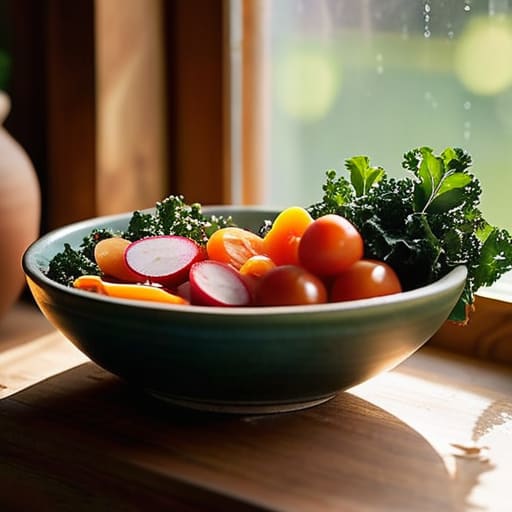
I’ve found that my approach to eating has shifted quite a bit since I hung up my hard hat. In my engineering days, fuel was just fuel—something to get me through a ten-hour shift on a construction site. But these days, I’ve become much more interested in the actual quality of what I’m putting on my plate. I’ve started leaning heavily into nutrient dense whole foods, mostly because I’ve noticed how much better my joints feel when I skip the processed stuff. There is a certain clarity that comes from eating things that actually grew in the dirt, rather than something wrapped in plastic.
Lately, I’ve been paying closer attention to anti-inflammatory foods, like walnuts, berries, and leafy greens. It isn’t about following a strict, punishing diet; it’s more about a quiet respect for my body. I often sit by the window with my notebook, taking a moment to really look at the colors of a fresh salad before I dive in. It’s a small way to practice a bit of mindful eating, ensuring that I’m actually tasting the meal instead of just rushing through it to get to the next thing on my list.
Mindful Eating Practices for a Slower Life
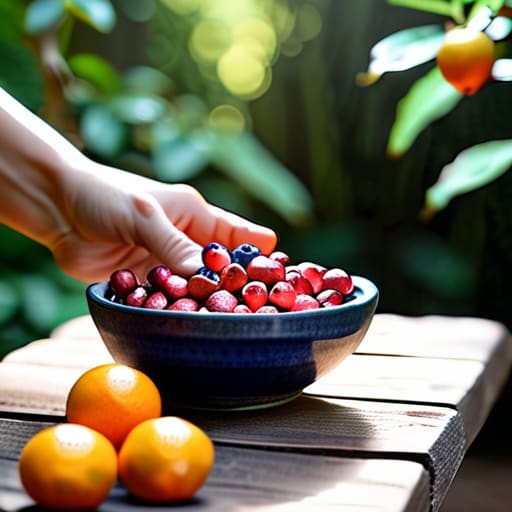
I’ve spent a lot of my life eating on the go—grabbing a sandwich between site inspections or swallowing a quick lunch while reviewing blueprints. It was efficient, sure, but I was never actually tasting anything. These days, I try to treat my meals as a quiet ritual rather than a task to be checked off. Implementing simple mindful eating practices has changed the way I approach my afternoon, even if it’s just a bowl of fruit on a park bench. I’ve learned to put the phone away, silence the noise, and actually notice the texture and temperature of what’s on my plate.
It isn’t just about the flavor, though; it’s about how that stillness affects my body. When I stop rushing, I find I’m much more in tune with my digestion and overall gut health and diet. There is a certain peace that comes from chewing slowly and appreciating the effort that went into growing the food. By slowing down, I’ve discovered that I feel more satisfied with much smaller portions, simply because I’ve finally given my senses a chance to catch up with my stomach.
A Few Simple Ways to Bring a Little Balance to Your Plate
- Don’t be afraid to cook for one. I used to think a big meal required a crowd, but there is a quiet dignity in preparing a single, perfect piece of salmon or a seasonal vegetable just for yourself. It makes the act of eating feel like a gift rather than a chore.
- Keep a small notebook, much like my sketching one, but use it for your kitchen. Jotting down how a certain spice made you feel or the way a crisp apple sounded when you bit into it helps you connect your senses to your nourishment.
- Listen to your body’s quietest signals. We spend so much time rushing that we ignore that little nudge of hunger or the subtle feeling of being full. If you stop to listen, you’ll find you don’t need nearly as much as the world tells you that you do.
- Treat your ingredients with a bit of respect. Whether it’s a handful of garden herbs or a sturdy loaf of sourdough, taking a moment to appreciate where food comes from—the soil, the sun, the hands that grew it—changes the way it tastes.
- Leave the distractions at the door. I’ve learned that a television or a smartphone is a poor companion for a meal. Try sitting by a window instead. Watch the light change on the trees while you eat; you’ll find the food tastes better when your mind is actually present.
A Few Things to Carry With You
Don’t let the rush of the day rob you of your dinner; treat every meal as a chance to sit still and actually taste what’s in front of you.
Focus on the quality of what you put on your plate, choosing real, simple ingredients that make you feel steady rather than fueled by sugar and haste.
Remember that wellness isn’t just about what you eat, but about the quiet moments of reflection you allow yourself between the bites.
The Connection Between Plate and Peace
We tend to treat eating like a task to be checked off a list, but real wellness isn’t found in a calorie count; it’s found in the quiet dignity of a home-cooked meal and the way a single, ripe peach can make you feel entirely present in your own life.
Bernard Oyelaran
Finding the Rhythm
Looking back on everything we’ve discussed, it really comes down to a simple shift in perspective. It isn’t about following a rigid, complicated diet or counting every single calorie like it’s a math problem to be solved. Instead, it’s about choosing foods that actually respect your body—the kind of real, whole ingredients that provide steady energy rather than a quick, hollow spike. When we pair those nutritious choices with the practice of sitting still and truly tasting our food, we stop treating eating as a chore to be rushed through between meetings. We begin to see that nourishment is a two-part process: fueling the physical frame while simultaneously calming the restless mind.
As I sit here in this small cafe, watching the light shift across the cobblestones, I’m reminded that wellness isn’t a destination you reach and then check off a list. It is a quiet, daily practice of returning to yourself. Whether it is the crunch of a fresh apple or the warmth of a well-steeped tea, these small, sensory details are the threads that weave a meaningful life. So, my advice to you is simple: don’t wait for a grand occasion to feel well. Start small. Take a breath, pick up your fork, and remember that life is meant to be tasted, one slow, intentional bite at a time.
Frequently Asked Questions
How do I balance the desire for slow, mindful meals with a busy schedule that doesn't always allow for it?
I’ll be honest, there are days when even my slow pace feels rushed. On those mornings, I don’t try to force a grand ritual. Instead, I focus on one small thing: I put my phone in another room and sit by the window. Even if it’s just five minutes with a piece of toast, that tiny bit of intentionality keeps the chaos at bay. It’s about finding the quiet, even in the rush.
Are there certain types of local, seasonal foods that are particularly good for keeping my energy steady during long walks?
When I’m out on a long trek, I’ve learned to steer clear of anything too sugary. I find that local, seasonal nuts and dried fruits—like a handful of walnuts or some dried apples—provide that steady, reliable fuel. If it’s autumn, a bit of local hard cheese is a wonderful companion too. They’re simple, unpretentious, and they keep my pace even without that inevitable mid-walk crash.
How much does the environment where I eat, like a quiet park or a cozy kitchen, actually affect how nourished I feel?
It makes a world of difference. I’ve found that eating a perfectly prepared meal while staring at a glowing smartphone feels more like fueling a machine than actually nourishing myself. But when I’m sitting in a quiet corner of a park, or just at my own kitchen table with the morning light hitting the wood, I actually taste the food. The setting settles my mind, and when the mind is quiet, the body listens.
