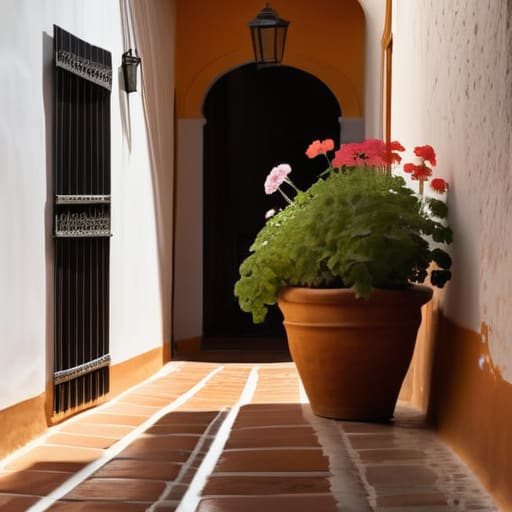
I remember sitting in a small, sun-drenched plaza in Seville last summer, clutching my leather notebook, when I realized I’d made a classic mistake. I had planned to power through the afternoon, treating my itinerary like one of my old bridge construction schedules, only to find the entire town had simply vanished. The shutters were drawn, the streets were silent, and the heat was thick enough to chew. I felt that familiar, frantic itch to keep moving, but then I realized that the spanish siesta isn’t a gap in the day to be fought; it’s the heartbeat of the culture itself.
I’m not here to give you some glossy travel brochure version of how to “optimize” your rest or turn a nap into a productivity hack. Instead, I want to share what I’ve learned from actually living through those quiet hours. I’ll tell you how to navigate the closed shops without losing your mind, how to find the best shade for a slow lunch, and why leaning into the stillness is the best way to truly see a country. Let’s stop rushing and learn how to actually breathe.
Table of Contents
The Cultural Significance of Siesta and Slow Living
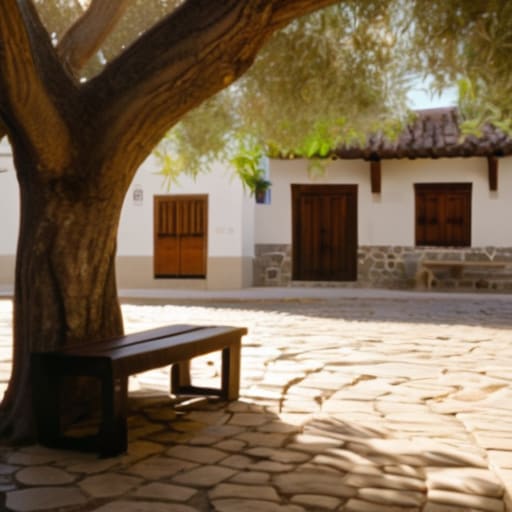
It isn’t just about escaping the heat, though the sun certainly demands respect here. To me, the cultural significance of siesta lies in how it reshapes the very rhythm of a community. In the States, we’ve been conditioned to view a gap in the schedule as a failure of discipline, a hole that needs to be plugged with more “hustle.” But sitting here in a small plaza, watching the shutters go down, I see something different. It’s a collective agreement to step back. These Spanish lifestyle traditions aren’t about laziness; they are a profound acknowledgment that humans aren’t machines built for constant, linear output.
There is a certain grace in how the afternoon unfolds. Instead of fighting against the natural dip in energy, the locals lean into it. By honoring the circadian rhythm and midday sleep, they seem to reclaim a sense of balance that we often lose in our rush to the next deadline. It’s a quiet rebellion against the clock, reminding anyone watching that life is meant to be lived in intervals, not just in one long, exhausting sprint.
Midday Rest Benefits for a Weary Soul
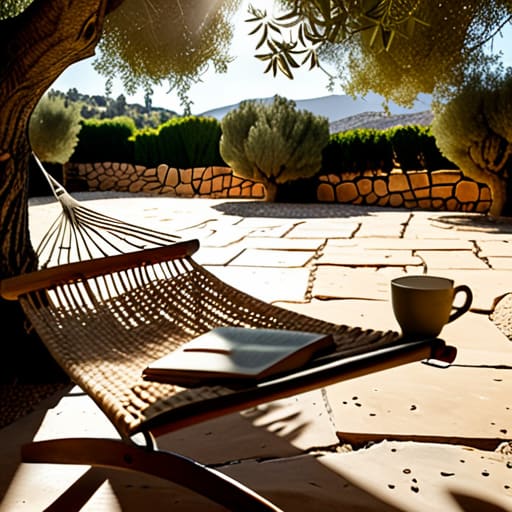
I’ve always found that my best ideas don’t come when I’m staring intensely at a blueprint or a camera lens, but rather when I finally step away from them. There is a profound physiological truth to these afternoon nap customs in Spain that we often ignore in the States. We tend to treat our bodies like machines that can run indefinitely on caffeine, but even the most sturdy engine needs a moment to cool down. By leaning into the natural ebb and flow of our circadian rhythm and midday sleep cycles, we aren’t being lazy; we are actually recalibrating.
For me, the real magic lies in the mental clarity that follows a quiet rest. When I sit in a shaded plaza after a short nap, the world feels sharper, the colors of the architecture more vivid. This isn’t just about catching up on sleep; it is about the midday rest benefits that extend to our spirit. It provides a necessary buffer between the morning’s chores and the evening’s joys, ensuring we don’t arrive at the dinner table feeling hollowed out and exhausted, but rather ready to truly engage with the people around us.
How to Find Your Own Rhythm in the Midday Quiet
- Don’t fight the clock; when the shops begin to shutter and the streets grow quiet, take it as a sign to stop your striving and find a shaded spot to sit.
- Find a corner that feels right—perhaps a small plaza bench or a quiet nook in a local cafe—where you can simply watch the world drift by without feeling the need to participate.
- Leave the heavy lifting for later; use this time to let your mind wander, perhaps with my little leather notebook in hand, to sketch a passing shadow or a weathered doorway.
- Keep it simple and light; a heavy lunch can make the rest feel sluggish, so aim for something modest that leaves you feeling refreshed rather than weighed down.
- Embrace the silence rather than filling it; resist the urge to reach for your phone or drown out the stillness, and instead, listen to the way the afternoon air feels when the rush has subsided.
Finding Your Own Rhythm
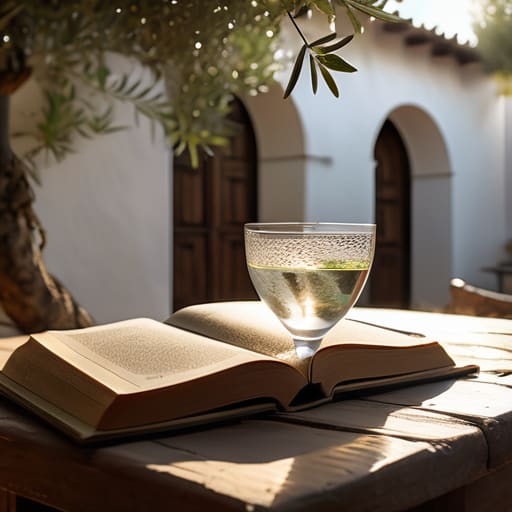
Don’t feel pressured to follow a strict schedule; instead, listen to your own body and allow yourself the grace to pause when the midday heat or a long morning starts to weigh on you.
Use your quiet time to reconnect with the small things, whether that’s sketching a view in your notebook or simply enjoying the taste of a slow-eaten meal without the distraction of a screen.
View rest not as a sign of laziness, but as a necessary way to recharge your spirit so you can truly appreciate the beauty of the afternoon once you step back out into the world.
## A Lesson in Stillness
“I’ve spent most of my life measuring progress in miles of concrete and deadlines met, but sitting here in the quiet of a Spanish afternoon, I’ve realized that the most important thing we can build is the space to simply breathe.”
Bernard Oyelaran
Finding Your Own Rhythm
As I sit here in this small courtyard, watching the sunlight shift across the cobblestones, it strikes me how much we lose when we treat time like a resource to be mined rather than a gift to be enjoyed. We’ve talked about how the siesta isn’t just about avoiding the midday heat, but about honoring our bodies and preserving our mental clarity. Whether it’s through a structured rest or simply stepping away from the digital noise, the goal remains the same: to prevent the soul from becoming overheated and exhausted. By reclaiming these small pockets of stillness, we aren’t being lazy; we are simply ensuring that we have the strength to truly engage with the world when we return to it.
I hope you take a bit of this Spanish wisdom back home with you, even if you can’t quite replicate their midday closures. You don’t need a whole village to go quiet to find your own version of a siesta. It might be a quiet cup of coffee in a sunlit corner, a slow walk through a local park, or even just five minutes of sitting still with nothing but your thoughts. My advice is simple: stop racing against the clock. Life is far too beautiful to be viewed through a blur of constant motion. Slow down, breathe, and let yourself catch up to the moment.
Frequently Asked Questions
Does the siesta tradition mean that most shops and businesses close for a long period in the afternoon?
It’s a common question, and yes, you’ll certainly notice it. In many smaller towns, the streets go quiet between two and five in the afternoon. Many local shops do indeed pull down their shutters for a few hours. It can be a bit of a shock if you’re used to the relentless pace of the States, but I’ve learned to treat it as a gentle nudge from the locals to stop rushing and just be.
How do people manage their work schedules or professional commitments if they are following this slower pace?
It’s a fair question, and one I used to ask myself back when I was managing construction crews. In Spain, it isn’t about laziness; it’s about a shift in rhythm. Businesses often close their doors during those peak heat hours, reopening later in the evening. They work harder when the sun is low, rather than fighting the midday glare. It’s a different kind of discipline—prioritizing the human rhythm over the clock.
Is it easy for a traveler to find quiet places to rest, or do you have to plan your day around these breaks?
To be honest, you can’t just wing it if you want true quiet. Most of the bustling plazas and shops shutter their doors during the afternoon, which is a blessing in disguise. I’ve found that if you don’t plan for that lull, you’ll end up wandering aimlessly in the heat. I usually scout out a small park or a shaded bench near a local cafe before lunch. It’s better to seek out the stillness than to fight the midday rush.
