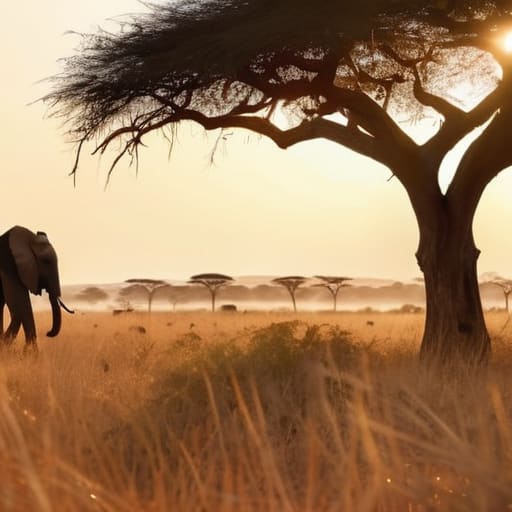
I was sitting in a dusty Jeep near the edge of the Serengeti last Tuesday, the kind of heat that settles deep in your bones, when I realized something. Most people approach safari holidays like they’re checking items off a high-stakes engineering blueprint—rushing from one landmark to the next, desperate to see a lion before the sun goes down, all while checking their watches. They treat the wilderness like a museum exhibit rather than a living, breathing thing. They spend a fortune on the flashiest lodges, only to realize they’ve spent their entire trip behind a glass window or a smartphone screen, missing the actual soul of the place.
I’m not here to sell you on the most expensive glamping tents or the most crowded itineraries. What I want to share is how to actually be present when you’re out there. I’ll be giving you my honest, unvarnished thoughts on how to navigate these journeys with a bit of grace and a lot of patience. We’re going to talk about finding the quiet corners, choosing the right pace, and ensuring that your time in the bush is about savoring the view, not just collecting photos.
Table of Contents
Finding Stillness Within Luxury Safari Lodges
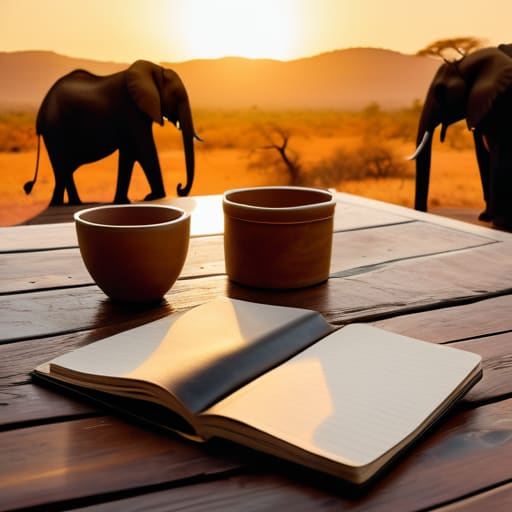
There is a common misconception that staying in luxury safari lodges means a constant, frantic pursuit of the next big sighting. I’ve found the opposite to be true. After a dusty morning spent on one of the many game drive experiences, there is a profound, quiet luxury in simply returning to a deck that overlooks a watering hole. I often find myself sitting there with my notebook, watching the light shift from a harsh midday glare to a soft, honeyed amber. It isn’t about checking boxes; it’s about the stillness that settles over the bush when the engines stop.
In these moments, you realize that the most meaningful part of eco-friendly safari travel isn’t just seeing the animals, but feeling the rhythm of the land. I’ve spent hours just listening to the wind through the acacia trees, far away from the rush of my old engineering days. You don’t need to be constantly hunting for big five sightings to feel the magic of the place. Sometimes, the real treasure is found in the quiet intervals between the action, where you finally have the space to just breathe and exist.
Choosing the Best Time for Safari Sunsets
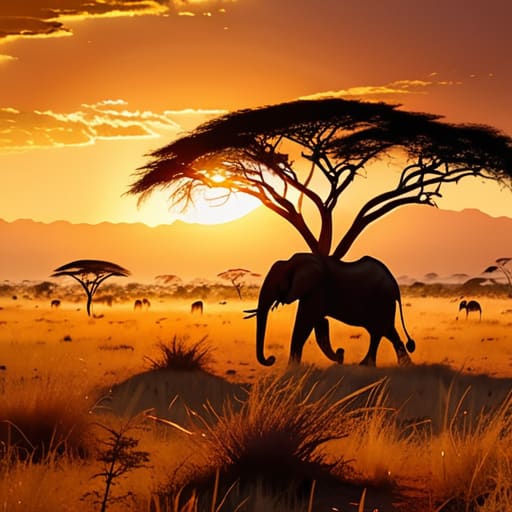
I’ve learned through years of tinkering with old Leica cameras that timing is everything; if you miss the light, you miss the soul of the moment. When people ask me about the best time for safari trips to catch those legendary sunsets, I always tell them to look toward the dry seasons. Between June and October, the air is crisp and the vegetation thins out, which makes the golden hour feel almost tactile. There is a specific clarity to the sky during these months that turns the horizon into a bruised palette of violet and deep amber.
It isn’t just about the colors, though. As the sun begins its slow descent, the temperature drops, and the animals begin to stir in anticipation of the night. This is often when the most profound game drive experiences occur. You might find yourself parked near a watering hole, engine off, watching the silhouette of an elephant drift through the tall grass. It’s in these quiet, fading minutes—not during the frantic rush of a midday sighting—that you truly feel the rhythm of the continent.
A Few Small Lessons for the Dusty Road
- Pack light, but pack smart. I’ve learned the hard way that a heavy suitcase is just an anchor. Stick to breathable linens and neutral colors—nothing too bright that might startle the wildlife, and nothing too heavy that you’ll regret when the afternoon heat settles in.
- Bring a physical journal and a decent pen. There is something about the digital glow of a phone that feels intrusive in the bush. When the light hits the plains just right, or you spot a leopard draped over a branch, sit quietly and sketch it or write it down. The memory stays longer when you’ve labored for it.
- Don’t let the binoculars do all the work. It’s easy to spend the whole trip squinting through a lens, searching for the next “big” sighting. Remember to look up from the glass occasionally. Sometimes the most profound moments happen in the wide, sweeping views of the horizon, not just in the details of a creature’s eye.
- Respect the rhythm of the wild. If a guide suggests staying quiet or taking a different path because the wind has shifted, follow their lead without question. Nature doesn’t follow a schedule, and trying to force a “moment” usually only results in missing the real thing.
- Carry a small, reusable water flask and some simple snacks. There’s a particular kind of satisfaction in sitting under a shade tree, sharing a bit of dried fruit or a handful of nuts, and simply watching the world move. It keeps you grounded when the excitement of the safari starts to feel a bit overwhelming.
Notes for the Road
Don’t let the schedule dictate your experience; leave room in your day to simply sit still and watch how the light changes across the plains.
Look beyond the big sightings and the “checklist” animals; the real magic often hides in the quiet details, like the texture of the acacia bark or the way the dust settles at dusk.
Pack light, bring a good notebook, and remember that the best memories aren’t found in the frantic rush to see everything, but in the moments you choose to linger.
The Real Measure of a Journey
A safari isn’t about how many lions you check off a list; it’s about that quiet, heavy moment when the engine stops, the dust settles, and you realize the world is much larger, and much more patient, than you ever dared to imagine.
Bernard Oyelaran
A Final Note from the Bush
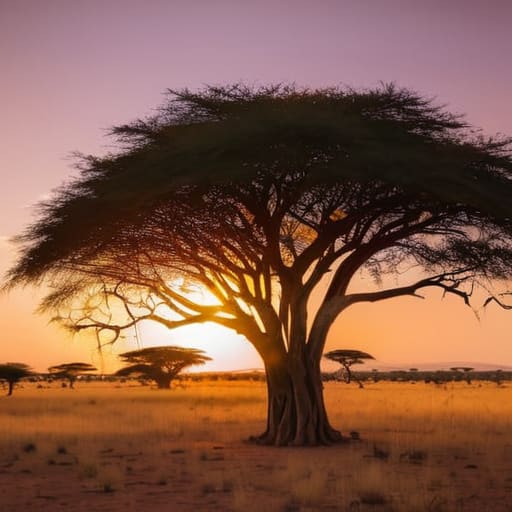
As I sit here, sketching the silhouette of a lone acacia against a bruising purple sky, I’m reminded that a safari isn’t just about checking animals off a list. We’ve talked about the importance of finding that quiet pocket of peace within a luxury lodge and the magic of timing your days to catch those fleeting, golden sunsets. Whether you are seeking the refined comfort of a well-appointed tent or simply waiting for the light to hit the plains just right, the goal is the same: to truly be present. It isn’t about the logistics or the cost, but about the patience required to witness the world as it actually is, unhurried and magnificent.
If there is one thing I have learned from a lifetime of building rigid structures and following strict timelines, it is that the best moments are rarely the ones we plan down to the minute. They are the quiet breaths between the sightings, the way the dust settles in the afternoon heat, and the profound silence that follows a predator’s movement. So, when you finally find yourself out there, I urge you to put the camera down for a moment. Let your eyes adjust, let your heart settle, and simply savor the stillness. The wild isn’t going anywhere, and neither should your sense of wonder.
Frequently Asked Questions
How much should I actually pack for a trip that moves between dusty bush camps and more comfortable lodges?
I’ve learned the hard way that less is always more. When you’re moving from a dusty camp to a proper lodge, don’t try to pack for every contingency. Stick to light, breathable layers—think linen and sturdy cotton. A single decent sweater for those chilly mornings is plenty. Pack a small, sturdy bag that won’t feel like a burden when you’re transitioning between spots. Trust me, you want more room for souvenirs, not extra socks.
Is it better to follow a guided itinerary, or is there value in just wandering a bit on my own?
I’ve always found that the best way to see a place is a bit of both. A guide is invaluable for spotting the subtle movements in the brush that I’d surely miss, but don’t let a rigid schedule rob you of your own rhythm. If you find a quiet corner or a particular view that calls to you, take it. Put the map away for an hour. The real magic often happens when you stop looking for the “sights” and just start noticing.
What kind of camera gear is truly necessary to capture those quiet moments without feeling like I'm constantly working?
I’ve learned the hard way that a heavy bag is the enemy of presence. If you’re wrestling with tripods and massive lenses, you’ll miss the very magic you came to see. For me, it’s about a single, reliable body and one versatile zoom. I often find myself reaching for my old analog setup; there’s a certain grace in having only twenty-four frames. It forces you to wait, to breathe, and to truly see.
