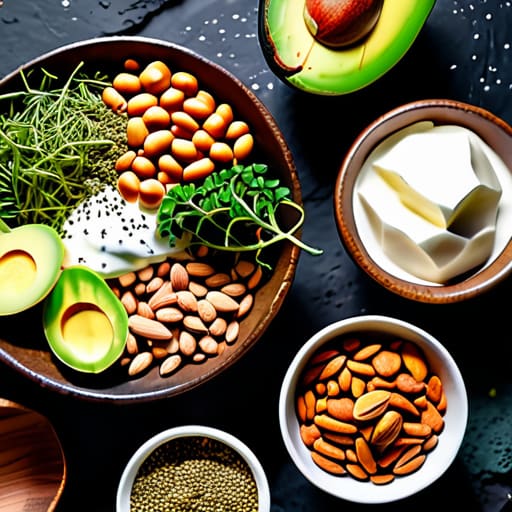
I remember sitting in a cramped site trailer back in ’94, surrounded by blueprints and the smell of stale coffee, listening to a foreman swear that you couldn’t build anything sturdy without a slab of beef. It’s a sentiment that hasn’t aged well, and frankly, it’s the same nonsense I see today in those flashy, neon-colored fitness magazines. They try to make vegetarian protein sound like some complicated chemical equation or a luxury item you can only find in a specialty health store. To my mind, that’s just unnecessary noise. You don’t need a laboratory or a massive budget to fuel your body; you just need to understand the simple, honest ingredients that have been sitting in our pantries for generations.
I’m not here to sell you on any miracle powders or expensive, processed meat substitutes that taste like wet cardboard. Instead, I want to share what I’ve learned through years of slow cooking and intentional eating. I’ll show you how to find real strength in the basics—things like lentils, beans, and grains—that nourish you without the fuss. My goal is to help you build a plate that is as reliable and well-constructed as a good bridge, focusing on sustained energy and the simple joy of a meal well-made.
Table of Contents
The Gentle Art of Mastering Amino Acid Profiles in Plants
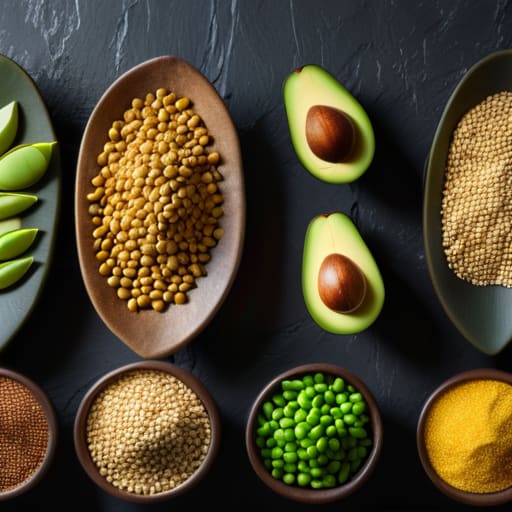
Back when I was overseeing construction sites, we always talked about the integrity of materials—how different components had to work in harmony to support a heavy load. I’ve come to realize that eating is much the same. When we talk about amino acid profiles in plants, it isn’t about complex chemistry or obsessing over numbers; it’s about ensuring the “building blocks” are all present to keep the structure sound.
I used to think you had to be a professional athlete to care about this, but I’ve learned that even a quiet afternoon of mindful eating requires a bit of balance. You don’t need to engineer every single meal to be perfect, but pairing things like grains with legumes and pulses nutrition makes the process feel much more seamless. For instance, a simple bowl of rice and beans isn’t just a comfort food; it’s a way of ensuring you’re getting those essential amino acids for vegetarians without any unnecessary fuss. It’s a slow, steady way to nourish the body, much like the way a well-maintained bridge relies on the strength of every individual bolt.
Finding Completeness in Slow Cooked Legumes and Pulses Nutrition
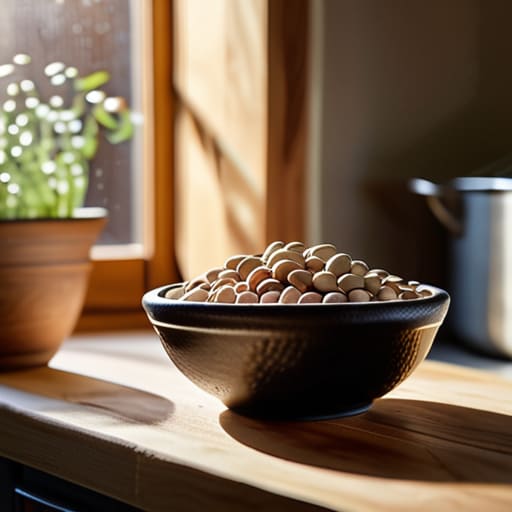
There is something deeply grounding about the ritual of soaking dried beans overnight. I find myself standing in my kitchen, watching the water rise in the bowl, thinking about how much patience these tiny seeds require to truly open up. When it comes to legumes and pulses nutrition, there is no shortcut that can replace the slow, steady simmer of a heavy pot. Whether it’s a batch of earthy lentils or a hearty cannellini bean, the process forces you to settle into the rhythm of the kitchen.
As I’ve learned through my own transition to a more plant-focused plate, you don’t need to rush to find complete protein sources. By pairing a slow-cooked lentil stew with a bit of grain, or even just enjoying a bowl of chickpeas, you are naturally assembling the building blocks your body needs. It isn’t about the frantic calculations one might find in a vegetarian bodybuilding diet; it’s about the quiet satisfaction of knowing that a well-prepared meal provides everything necessary to sustain a long afternoon walk or a morning spent tinkering with my old Leica.
Small Adjustments for a Sustained Strength
- Don’t feel the need to get it perfect in every single bite. I’ve learned that as long as I’m eating a variety of things throughout the day—some nuts here, some grains there—my body finds its own balance. It’s less about the math and more about the variety.
- Keep a jar of toasted pumpkin seeds or hemp hearts on the kitchen counter. I find myself reaching for them like a habit, sprinkling them over whatever is on my plate to add a bit of texture and a steady bit of protein without much fuss.
- Treat your grains as more than just a side dish. I like to cook a batch of quinoa or farro on Sunday afternoons; they serve as a sturdy, reliable foundation for a meal when I’m too tired to think too hard during the week.
- Embrace the ritual of the soak. When I’m working with dried beans, I let them soak overnight in a quiet corner of the kitchen. It’s a slow process, but it makes them much easier on the digestion and brings out a much better flavor.
- Listen to your body’s rhythm rather than a rigid meal plan. Some days I need the heavy, grounding feeling of a lentil stew, and other days a simple handful of almonds and a piece of fruit will do. There is no one right way, only what feels right in the moment.
Notes from My Kitchen Table
Don’t let the science of amino acids intimidate you; think of it like building a bridge—it’s just about ensuring you have all the right components working together in harmony.
There is no rush to perfect your diet overnight, so focus on the simple, rhythmic joy of soaking beans or simmering lentils, letting the nutrition unfold naturally.
True strength comes from variety and patience, whether you’re exploring new grains or revisiting the old reliable staples that have nourished you for years.
## The Quiet Strength of the Plate
“I’ve learned that building strength doesn’t always require the rush of a heavy meal; sometimes, it’s found in the slow, steady nourishment of a well-seasoned lentil stew, reminding us that even the simplest ingredients can sustain us if we give them the time they deserve.”
Bernard Oyelaran
Finding Balance in the Quiet Moments
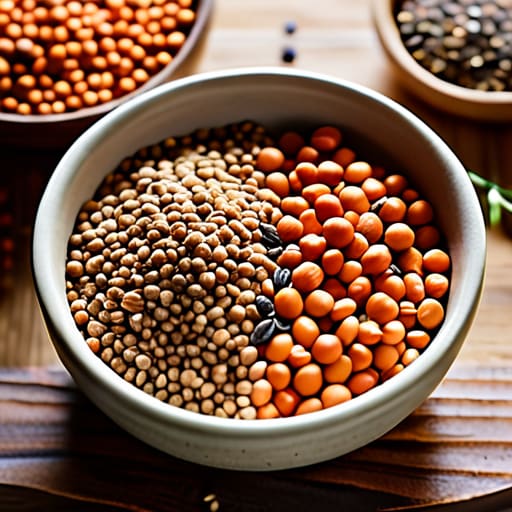
Looking back at everything we’ve discussed, it’s clear that moving toward a plant-based way of eating isn’t about following a rigid set of rules or counting every single gram of nitrogen. It is really about understanding how to work with the ingredients nature provides. Whether it’s the careful pairing of grains and legumes to ensure you’re getting a full spectrum of amino acids, or the patience required to let a pot of lentils simmer until they are perfectly tender, it all comes down to intentionality. When we stop viewing protein as a mere chemical requirement and start seeing it as a collection of textures and flavors, the whole experience changes. We move away from the stress of “getting it right” and toward the simple joy of nourishing our bodies with what the earth offers.
As I sit here in this small café, watching the afternoon light stretch across the wooden table, I’m reminded that the best things in life usually require a bit of patience. Transitioning your diet doesn’t have to be a sudden, jarring shift; it can be as gradual and steady as the changing seasons. Take a walk, breathe deeply, and let your meals be a way to reconnect with the world around you. At the end of the day, I’ve found that true wellness isn’t found in a supplement bottle or a complicated spreadsheet, but in the quiet satisfaction of a meal made with care and eaten without haste.
Frequently Asked Questions
If I'm not used to eating so many legumes, how can I introduce them into my diet without making my stomach feel a bit unsettled?
I remember when I first tried to swap my usual heavy breakfasts for more beans and lentils; my stomach certainly wasn’t on board. The trick, I found, is patience. Start small—just a spoonful of lentils in your soup or a few chickpeas in a salad. And please, don’t skip the soaking. Letting them sit in water overnight, then rinsing them well, does wonders. It’s all about giving your body time to adjust to the rhythm.
Is it really necessary to worry about combining specific foods at every single meal, or can I just focus on eating a variety throughout the day?
To be honest, I used to fret over it quite a bit, much like I used to obsess over structural tolerances back in my engineering days. But I’ve learned that you don’t need to engineer every single plate to perfection. As long as you’re enjoying a good variety of grains, beans, and greens throughout the day, your body will find its balance. It’s much more about the steady rhythm of your diet than any single meal.
For someone who enjoys the simplicity of a quick meal, are there any easy, plant-based protein options that don't require hours of soaking and simmering?
I completely understand. Sometimes, after a long walk, you just want to sit down without a mountain of dishes to wash. I often lean on canned chickpeas or lentils—just rinse them well and they’re ready for a salad or a quick sauté. Even a handful of hemp seeds or some smoked tofu can add that necessary substance to a meal in minutes. There’s no shame in choosing the path of least resistance sometimes.