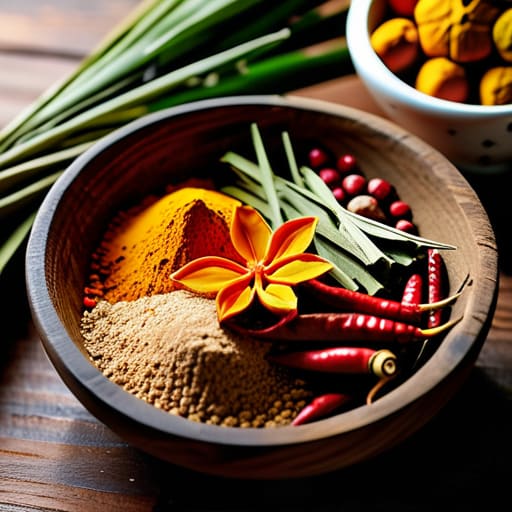
I was sitting on a rickety wooden stool in a narrow alleyway in Chiang Mai last Tuesday, sweating through my linen shirt, when I realized something important. Most folks think they understand heat, but they’re usually just chasing a blunt, punishing burn that leaves them gasping for water and missing the point entirely. They mistake pain for flavor. But true thai spice traditions aren’t about a race to see who can handle the most chili; they are about the delicate architecture of the heat. It’s a slow, rhythmic build that works in harmony with lemongrass, lime, and galangal, rather than trying to bulldoze them into submission.
I’m not here to give you a list of tourist traps or tell you which fancy fusion restaurant has the most expensive peppercorns. Instead, I want to share what I’ve learned from sitting in these small, humid kitchens and watching the real masters at work. I’ll walk you through how to actually appreciate the layers of a dish, helping you distinguish between a reckless sting and a well-crafted spice profile. We’re going to slow things down and learn to taste the history behind the heat, one intentional bite at a time.
Table of Contents
Tracing Thai Culinary History Through Every Bite
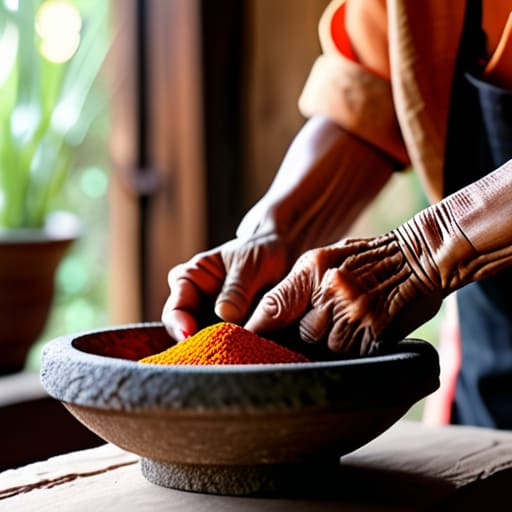
I sat in a small, family-run stall in Chiang Mai yesterday, watching an elderly woman work a heavy stone mortar and pestle. There was no electricity, just the rhythmic thud-thud of granite hitting granite. She wasn’t just making dinner; she was performing a ritual that has remained largely unchanged for centuries. As she crushed lemongrass and galangal, I realized that authentic thai spice pastes are essentially edible maps of the region’s past. They tell a story of trade routes, jungle foraging, and the clever way people learned to preserve what the land provided.
To understand this cuisine, you have to look past the mere heat of the chili. It is really about the delicate art of balancing spicy, sour, salty, and sweet in a single spoonful. It’s a complex architecture, much like the bridges I used to build, but instead of steel and concrete, the foundation is built on the medicinal properties of thai herbs. Every ingredient serves a purpose—not just for the palate, but for the body’s well-being. You don’t just eat these flavors; you experience the history of a people who learned to turn survival into a masterpiece.
The Art of Balancing Spicy Sour Salty Sweet
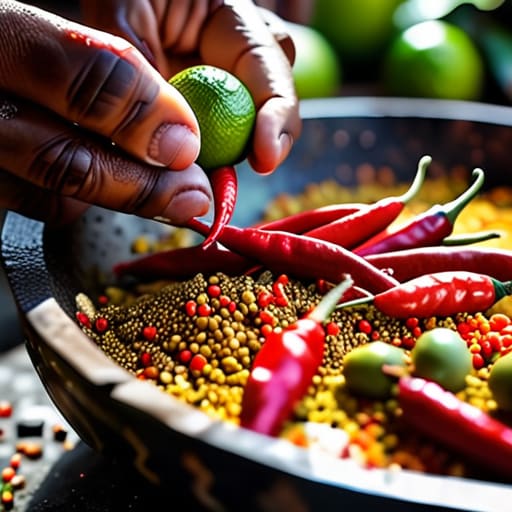
I’ve spent many afternoons sitting on low plastic stools in Bangkok, watching cooks work with a precision that would make any engineer blush. There is a certain geometry to it, though it isn’t found in blueprints. It’s found in the way they manage balancing spicy, sour, salty, and sweet all at once. A dish shouldn’t just hit you with heat; it should be a conversation between flavors. If the lime is too sharp, a pinch of palm sugar settles the argument. If the fish sauce is too heavy, a squeeze of calamansi brings it back into alignment.
It’s more than just a recipe, really. When you dig into a bowl of authentic curry, you’re tasting the soul of traditional Thai flavor profiles that have been refined over generations. There is a deep, rhythmic logic to how these ingredients interact. I often find myself sketching the way the steam rises from a bowl, thinking about how the medicinal properties of Thai herbs like lemongrass and galangal aren’t just for flavor, but for a sense of wholeness. It’s a way of eating that nourishes the spirit just as much as the body.
A Few Lessons from the Table
- Don’t be afraid of the heat, but treat it with respect. If you feel the burn starting to climb, don’t reach for water—it only fans the flames. Instead, take a small bite of jasmine rice or a piece of cucumber; it acts like a gentle buffer for your palate.
- Watch how the flavors dance together. In a good Thai dish, the spice isn’t there to bully the other ingredients. It’s meant to lift the lime’s acidity and the palm sugar’s sweetness. If you find one note overpowering, stop, take a breath, and try to find the balance again.
- Keep your condiments within reach, but use them sparingly. The little jars of dried chili flakes and fish sauce on the table are there to help you fine-tune your own experience, not to mask the chef’s hard work. A little goes a long way.
- Pay attention to the textures. A truly great spicy dish often relies on the crunch of crushed peanuts or the snap of fresh herbs to break up the intensity. It’s that interplay of texture and heat that keeps you coming back for another spoonful.
- Slow down your pace. You can’t appreciate the subtle layers of a lemongrass-infused chili paste if you’re shoveling it in. Eat slowly, let the spices bloom on your tongue, and allow yourself the time to actually taste the history behind the recipe.
Lessons from the Table
Don’t fear the heat; instead, look for the balance. The real magic in Thai cooking isn’t just the sting of a bird’s eye chili, but how it dances alongside lime juice and palm sugar to create something whole.
Treat every meal as a way to slow down. Just as I find peace in the mechanical click of an old Leica, there is a rhythmic, meditative quality to tasting the layers of a well-made curry.
Respect the history in the bowl. Every spice tells a story of trade, tradition, and time—it’s a reminder that the best things in life, much like a good infrastructure project or a well-aged camera, are built to last.
## A Lesson in Patience
“You can’t rush a good chili; if you try to outrun the heat, you’ll miss the subtle sweetness and the bright tang that makes the whole dish sing. It’s a bit like life, really—if you’re always bracing for the sting, you forget to enjoy the flavor.”
Bernard Oyelaran
A Final Note on the Heat
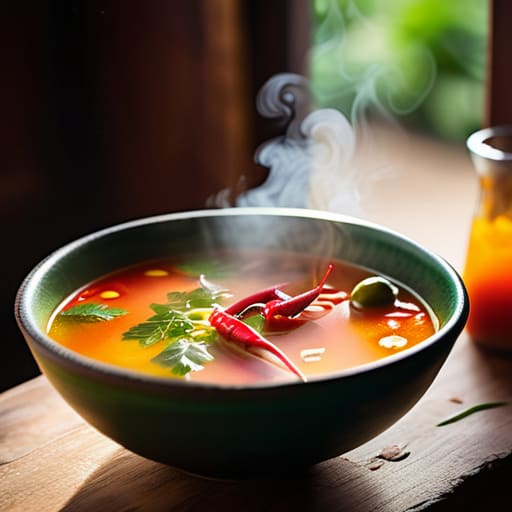
As I sit here in this small corner cafe, watching the steam rise from my bowl, I realize that Thai spice is never just about the sting of a bird’s eye chili. It is a delicate, centuries-old conversation between heat, acidity, and sweetness—a balance that requires as much patience as it does precision. We’ve looked at how these flavors tell the story of a nation’s history and how the mastery of the four pillars creates a harmony that is truly unparalleled. To understand Thai spice is to understand that every ingredient has a purpose, and every layer of heat is meant to be unraveled, not rushed.
So, the next time you find yourself sitting before a plate of something vibrant and fiery, I encourage you to do more than just eat. Put your phone away, take a breath, and let the flavors settle. Don’t fear the spice; instead, lean into it and see where it takes you. Life has a way of feeling a bit too fast and a bit too grey sometimes, but a well-balanced meal has a way of bringing the world back into focus. Slow down and savor the burn, because it is in those intense, sensory moments that we truly feel alive.
Frequently Asked Questions
How can I tell the difference between the various types of chilies used in different regions of Thailand?
It’s a bit like distinguishing between different grades of timber; you have to look closer. In the north, you’ll often find a more mellow, earthy heat. But head south, and those bird’s eye chilies will bite back with a sharp, sudden intensity. I’ve found it best to watch how the locals use them. If they’re pounding bright red flakes into a paste, expect a sting; if it’s a dried, smoky whole chili, it’s a different story entirely.
Is there a way to enjoy these traditional flavors without completely overwhelming my palate if I'm not used to high heat?
I get asked this quite a bit. My advice? Don’t view the heat as a barrier, but as a layer. If a dish feels like it’s running away with you, ask for “mild” or “Thai spicy” (though I’ve learned that’s a relative term!). Better yet, lean into the rice or a side of cucumber. It’s like adjusting the aperture on one of my old Leicas; you just need to find the right balance to see the picture clearly.
How do the specific spices used in a dish change when you move from the north down to the southern coastal areas?
It’s a fascinating shift, much like watching a landscape change through a camera lens. Up north, near Chiang Mai, the flavors are gentle—lots of dried chilies, garlic, and earthy herbs that feel like a warm blanket. But as you head south toward the coast, the intensity cranks up. You’ll see turmeric and fresh, pungent chilies taking center stage, cutting through the salt of the sea. It’s bolder, sharper, and carries the unmistakable heat of the tropics.
