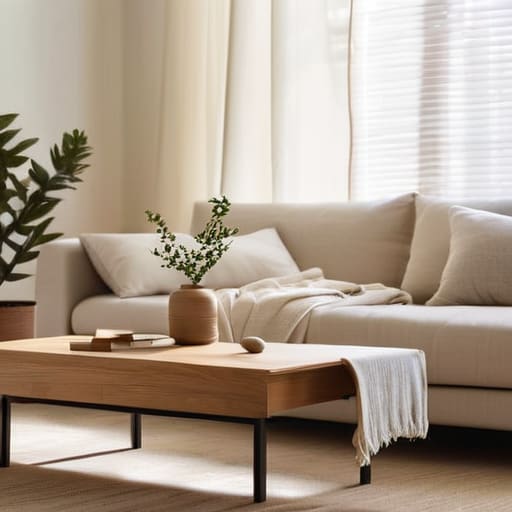
I spent thirty years managing massive infrastructure projects, where every bolt and beam had a precise place, but nothing prepared me for the chaos of a cluttered living room. Most people will tell you that organizing your home requires a fleet of color-coded plastic bins and a subscription to some high-priced lifestyle magazine, but frankly, that’s just more noise. I’ve seen enough “perfect” setups to know that they often create more work than they solve. To me, a home shouldn’t look like a showroom; it should feel like a place where you can actually breathe.
I’m not here to sell you on a complicated system or a mountain of unnecessary gadgets. Instead, I want to share a few practical, common-sense ways to clear the physical clutter so you can focus on the things that actually matter. We’re going to look at this through the lens of intentionality—finding ways to tidy up that respect your time and your peace of mind. My goal is to help you create a bit of stillness in your own four walls, one small, manageable step at a time.
Table of Contents
Decluttering Room by Room to Find Your Quiet Center
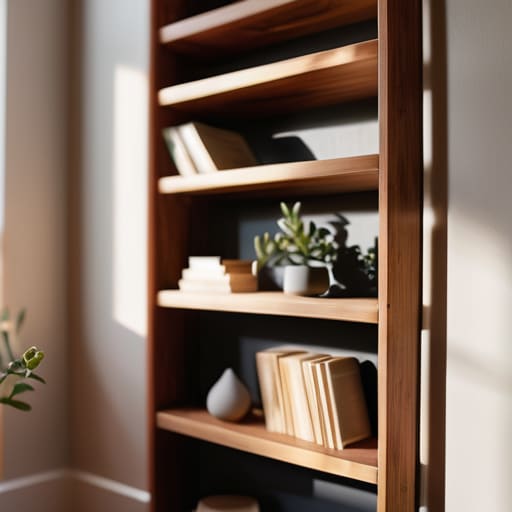
I’ve always found that trying to tackle the entire house at once is a recipe for frustration. It’s like trying to bridge a wide river without a single support beam; you’ll just end up exhausted in the middle of the current. Instead, I’ve learned that decluttering room by room is the only way to keep your spirits up. I start with the smallest, least emotional corner—usually a single bookshelf or a junk drawer—and work outward. There is a quiet satisfaction in seeing one small area return to order, a tiny victory that provides the momentum needed for the next room.
When I move into the kitchen or the bedroom, I look for ways to create breathing room rather than just hiding things away. I’ve found that simple space saving storage solutions, like a few well-placed baskets or a sturdy wooden crate, can do wonders for clearing the visual noise. It isn’t about achieving some perfect, sterile showroom look; it’s about clearing enough surface area so that when I sit down with my notebook and a cup of tea, I’m not staring at a pile of mail or half-finished projects.
Space Saving Storage Solutions for a Slower Pace of Life
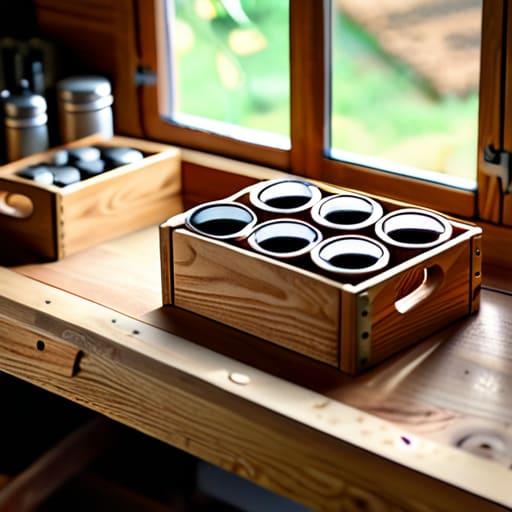
Once I finished clearing the surfaces, I realized that the real challenge isn’t just getting rid of things, but deciding where the things that remain actually belong. I’ve found that when we try to cram everything into the same drawer, we end up creating a different kind of chaos. Instead, I’ve started looking for space saving storage solutions that respect the architecture of a room rather than fighting against it. For instance, I’ve begun using small, wooden crates under my workbench to house my camera parts; they keep the clutter off the floor and make the tools easy to find when inspiration strikes.
It isn’t about having a showroom-perfect house, but about creating a sense of order that serves you. I often think of maintaining a tidy household much like the structural integrity of a bridge—it requires a solid foundation and a logical flow. If you use vertical space—simple floating shelves or even a sturdy basket tucked into a corner—you create more “breathing room” on your tables and counters. That extra bit of empty space is where the peace lives.
Small Habits for a More Peaceful Space
- Keep only what serves a purpose or brings a bit of joy; if a gadget hasn’t seen the light of day in three years, it’s likely just taking up mental space along with the physical kind.
- Designate a specific, permanent home for your most frequent companions—like your keys, your glasses, or that leather notebook—so you aren’t hunting for them when you’re trying to settle into a quiet moment.
- Try the “one-in, one-out” rule to keep things from creeping back in; if a new book finds its way onto your shelf, let an old one find a new home or a donation box.
- Clear your surfaces at the end of each day, even if it’s just the kitchen table, so you can wake up to a clean slate rather than yesterday’s leftovers and mail.
- Don’t feel pressured to tackle everything at once; sometimes, just organizing a single drawer can provide enough of a sense of calm to carry you through the rest of the week.
A Few Thoughts to Carry With You
Don’t feel you have to finish everything in a single afternoon; it’s better to clear one small corner of a room and truly feel the peace it brings than to rush through the whole house and end up feeling exhausted.
Choose storage that serves your rhythm, favoring things that are easy to reach and easy to see, so you aren’t spending your precious quiet time hunting for misplaced items.
Remember that the goal isn’t a perfect, showroom-ready house, but rather a home that holds enough space for you to sit down, breathe, and enjoy a moment of stillness.
The Purpose of a Tidy Space
We don’t organize our homes just to satisfy some sense of order or to keep things neat; we do it to clear the clutter from our sight so we can finally see the light hitting the floorboards, or find the quiet space needed to sit with a good book and a warm cup of tea.
Bernard Oyelaran
Finding Peace in the Process
At the end of the day, organizing your home isn’t about achieving some sterile, showroom perfection that you see in magazines. It’s really about the practical work we’ve discussed: clearing the clutter from each room to find your center and choosing storage solutions that actually serve your daily rhythm rather than complicating it. When we stop fighting against our belongings and start curating our surroundings, we create a foundation for a much calmer existence. It’s about making sure your physical space reflects the quiet intentionality you want to feel in your heart, ensuring that every object in your home has a place where it truly belongs.
As I sit here by the window, sketching the way the afternoon light hits my desk, I am reminded that a home is a living, breathing thing. It will never be “finished,” and perhaps that is a mercy. There will always be a drawer to tidy or a shelf to rearrange, but don’t let the upkeep become a chore that steals your joy. Instead, view these small acts of tending as a way to honor your sanctuary. Take a deep breath, enjoy the stillness you’ve created, and remember that the most important part of any home is the peace you find within its walls.
Frequently Asked Questions
How do I decide which sentimental items are worth keeping and which are just taking up space?
That’s the hardest part, isn’t it? I used to struggle with this, especially with old blueprints and relics from my engineering days. My rule is simple: if looking at an object brings a genuine smile or a quiet moment of reflection, it stays. But if you’re keeping something just out of a sense of guilt or “should,” it’s likely just heavy lifting for your spirit. Keep the memories; let go of the clutter.
Is there a way to stay organized without spending a fortune on fancy new bins and shelving?
You certainly don’t need to go chasing after those expensive, matching plastic bins at the big-box stores. Honestly, some of the best solutions I’ve found are the ones that were already sitting in my pantry or garage. An old wooden crate, a sturdy wicker basket, or even just repurposing some glass jars can work wonders. It’s more about creating a designated home for your things than buying something new to hold them.
What should I do if I feel overwhelmed and don't know where to start?
When the clutter starts feeling like a heavy fog, don’t try to clear the whole house at once. That’s how you lose your footing. Just pick one small corner—maybe just your bedside table or that one chair where the mail piles up. Clear it, wipe it down, and leave it. There is a quiet dignity in a single clean surface. Start there, and let the rest wait until tomorrow.
