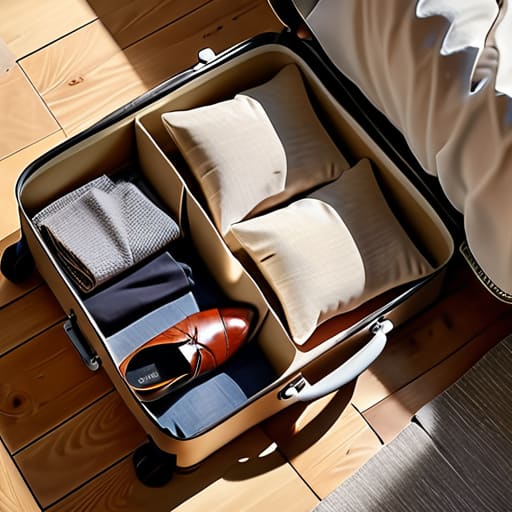
I remember sitting on the edge of a narrow cot in a small guesthouse outside of Florence, staring at a suitcase that felt more like a heavy, metal-bound burden than a collection of belongings. I had spent forty minutes the night before agonizing over whether I truly needed that third pair of heavy trousers, only to realize that the weight of my own anxiety was what was actually dragging me down. We’ve been sold this idea that travel packing is a high-stakes science requiring specialized gadgets and hyper-organized compartments, but most of that is just noise. In reality, the more you try to prepare for every possible contingency, the more you end up missing the very essence of why you left home in the first place.
I’m not here to sell you on any fancy, color-coded packing cubes or expensive gear you’ll never use again. Instead, I want to share what I’ve learned from decades of moving through the world with nothing but the essentials and a sturdy bag. I’ll show you how to approach your travel packing with a minimalist mindset that favors mobility over certainty. My goal is to help you pack light enough that you can wander down a cobblestone alleyway without a second thought, leaving plenty of room for the unexpected treasures you’ll find along the way.
Table of Contents
Carry on Only Travel Tips for a Lighter Heart
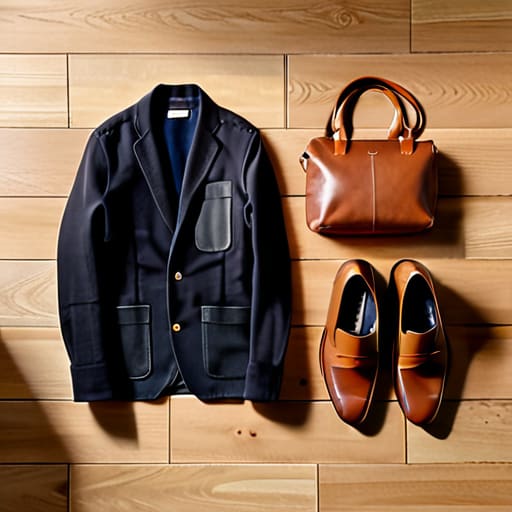
I’ve learned the hard way that a heavy suitcase is often just a heavy anchor for the soul. Back when I was managing construction sites, I thought more gear meant more preparedness, but traveling is different. Now, I swear by a minimalist travel wardrobe—think neutral colors and layers that all play well together. If everything matches, you don’t need a mountain of clothes; you just need a few reliable pieces that can handle a brisk morning walk or a quiet dinner by the coast.
To keep things organized without the bulk, I’ve become quite fond of using small compression bags. The packing cubes benefits are hard to argue with; they turn a chaotic jumble of fabric into neat, manageable little bricks. It makes finding a fresh pair of socks much easier when you aren’t digging through a bottomless pit. By using these simple space-saving packing techniques, I find I have just enough room left for my leather notebook and perhaps a small, vintage lens or two. It’s about traveling light enough to move with the wind, rather than fighting against it.
Minimalist Travel Wardrobe Less Clutter More Presence
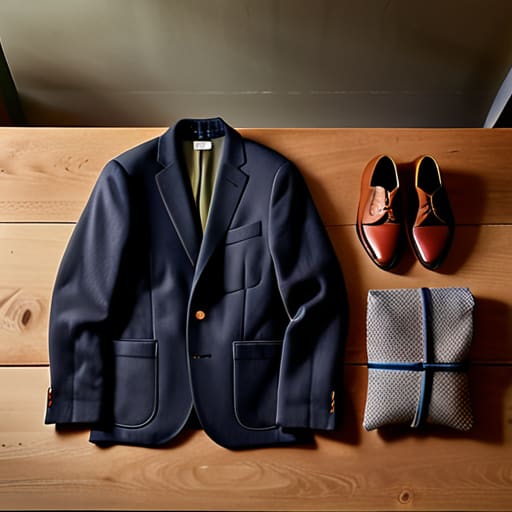
I’ve learned the hard way that a heavy suitcase is just a physical manifestation of anxiety. When I was managing construction sites, I knew that bringing too much gear to a job only slowed the crew down; travel is no different. Building a minimalist travel wardrobe isn’t about deprivation; it’s about choosing pieces that play well together. I stick to a simple palette of neutrals—navy, olive, and grey—so that I can grab any shirt and any pair of trousers without a second thought. If an item doesn’t work with at least three other things in my bag, it stays home.
To keep things organized, I’ve become a firm believer in the packing cubes benefits. They don’t just compress my clothes; they give me a sense of order that keeps my mind quiet. Instead of digging through a chaotic heap for a clean pair of socks, I simply reach into the designated cube. This little bit of structure allows me to focus my energy on the scenery in front of me rather than the clutter in my bag. It’s much easier to be present when you aren’t constantly negotiating with your own luggage.
A Few Lessons from My Own Overstuffed Suitcases
- Pack for the person you want to be on this trip, not the person you were at home. If you’re heading to the coast to watch the sunrise, don’t bring that heavy wool blazer just because it’s sitting in your closet. Leave the “what-ifs” behind; they only add weight to your shoulders.
- Invest in a few reliable, multi-purpose items. I always say a good, sturdy pair of walking shoes is worth more than any gadget. They should be able to handle a cobblestone street in Europe just as easily as a stroll through a local park.
- Keep a small, dedicated space for the things you find along the way. I never pack my leather-bound notebook or my spare film canisters in the middle of my clothes. I leave a little corner of my bag free, specifically for a small sketchpad or a pressed wildflower from a mountain trail.
- Don’t forget the small comforts that ground you. A lightweight scarf or a favorite tea bag might seem trivial, but when you’re in a strange hotel room, those little familiarities can make a world of difference to your peace of mind.
- Organize by necessity, not by category. Instead of stuffing all your shirts in one pocket and socks in another, try grouping things by the day they’ll be used. It keeps the chaos at bay and ensures you aren’t digging through your bag like a frantic man in a construction site every morning.
A Few Final Thoughts Before You Set Off
Pack for the person you want to be on this trip—the one who wanders through local markets and sits in quiet cafes—rather than the one you think you might need to be.
Remember that the most important things you’ll carry aren’t in your bag; they’re the sketches in your notebook and the memories of the meals you shared.
If you find yourself overpacked, don’t fret; just leave something behind and make room for the unexpected treasures the road decides to offer you.
The Weight of What We Carry
I’ve learned that the more we try to pack for every possible scenario, the less room we leave for the unexpected. A suitcase filled with ‘just in case’ is really just a heavy anchor keeping you from drifting where the day actually wants to take you.
Bernard Oyelaran
The Weight We Choose to Carry
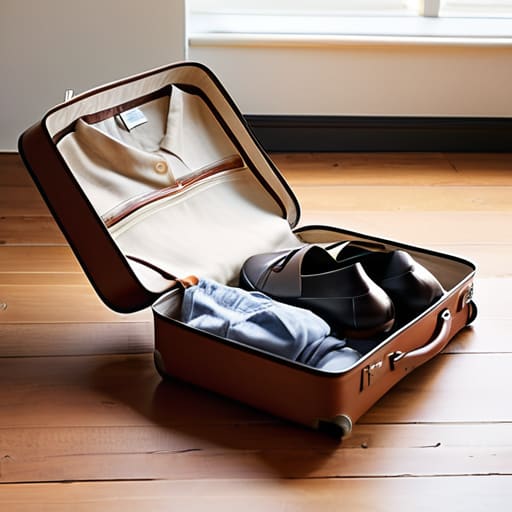
At the end of the day, packing isn’t really about the logistics of zippers and compartments; it’s about deciding what truly matters. By sticking to a carry-on, curating a simple wardrobe, and leaving room for the unexpected, you aren’t just saving space in a suitcase—you are saving mental energy. When you aren’t constantly worrying about a lost checked bag or digging through a mountain of extra clothes, you find you have much more room to breathe. It’s about making sure your gear serves your journey, rather than your journey serving your gear. After years of managing heavy construction sites, I’ve learned that the most efficient systems are often the simplest ones.
As you prepare for your next departure, I encourage you to look at your bag one last time and ask yourself if everything inside is truly necessary. Leave a little extra space, perhaps for a new sketchbook or a small trinket from a local market. The most beautiful parts of travel are rarely the things we planned for; they are the unscripted moments that happen when we aren’t too weighed down to notice them. So, pack light, walk slow, and remember that the best things in life are the ones we can’t fit into a suitcase anyway.
Frequently Asked Questions
How do you decide which analog camera gear is truly essential to bring without weighing yourself down?
I’ve learned the hard way that more gear doesn’t mean better photos; it just means more heavy lifting. I usually stick to my favorite Leica M3 and one versatile lens—a 35mm. It forces me to move my feet and see the world differently. If a piece of equipment feels like a burden rather than an extension of my eye, it stays home in the workshop. Keep it light so you can keep walking.
Is there a particular way you organize your leather-bound notebook and sketching supplies so they're always within reach?
I keep it simple. My notebook usually sits in the side pocket of my canvas rucksack—somewhere easy to reach without digging through layers of gear. I use a small, waxed canvas roll for my pencils and a single fine-liner; it keeps them from rattling around. There’s no sense in a complicated system. If I have to spend five minutes searching for a pen, I’ve already missed the light hitting the valley.
When you're traveling light, how do you handle those unexpected moments when you realize you've forgotten something small but necessary?
I’ve learned that most “emergencies” are just minor inconveniences in disguise. If I realize I’ve forgotten a toothbrush or a specific charging cable, I don’t let it ruin the afternoon. I simply find a local pharmacy or a small corner shop. Honestly, those little detours often lead to the best discoveries—a charming street I never would have turned down otherwise. It’s just another part of the journey.
