
I remember sitting in my small kitchen back in Ann Arbor, staring at a collapsed, gummy loaf of bread that looked more like a construction mishap than a meal. I had followed every high-tech, gadget-heavy instruction the magazines threw at me, yet I still ended up with a mess. It’s frustrating how much modern advice focuses on buying the most expensive stand mixer or a digital scale that costs more than my first car, when the real secret to success lies in the basics. Most of the baking tips you find online these days are just noise designed to sell you more kitchen clutter, rather than teaching you how to actually feel the dough.
I’m not here to sell you on fancy equipment or complicated chemistry sets. Instead, I want to share the steady, practical wisdom I’ve gathered from years of trial, error, and plenty of flour-dusted afternoons. I’ll provide you with honest, experience-based advice that focuses on patience, temperature, and the simple rhythm of the process. My goal is to help you move past the stress of perfection and find the quiet joy that comes from making something truly delicious with your own two hands.
Table of Contents
Measuring Flour Accurately a Lesson in Patience
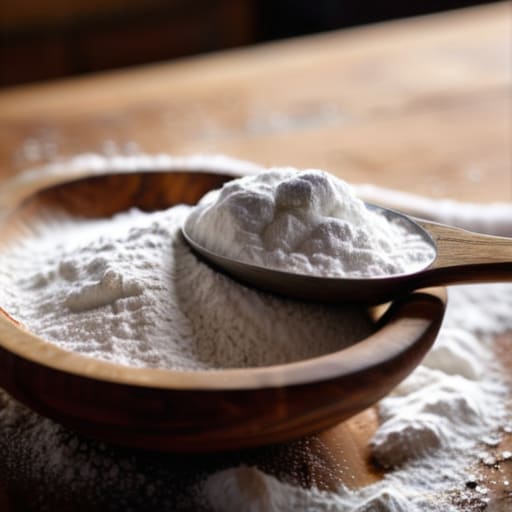
I remember back when I was managing bridge construction sites, we had a saying: “measure twice, cut once.” It’s a principle that applies just as much to a kitchen counter as it does to a steel girder. One of the most frequent common baking mistakes to avoid is the habit of scooping the flour directly from the bag with a measuring cup. When you do that, you pack the flour down, squeezing out the air and leaving you with far more than the recipe intended. It’s a subtle error, but it can turn a light, airy sponge into something dense and unyielding.
Instead, I’ve learned to embrace a slower method. Use a spoon to gently fluff the flour and sprinkle it into your measuring cup until it overflows, then level it off with the back of a knife. It takes an extra thirty seconds, but measuring flour accurately is worth the small investment of time. It’s much like restoring one of my old Leica cameras; if you rush the delicate parts, the whole mechanism suffers. Taking that moment to be precise ensures the texture is exactly what it should be.
Leavening Agent Functions the Magic of Hidden Breath
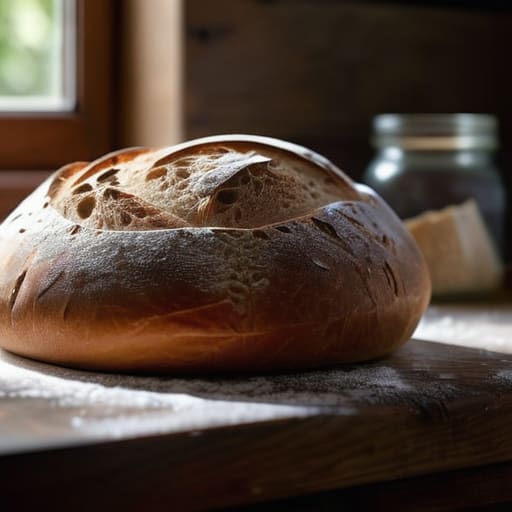
I remember watching my father work in his workshop; he’d say that the most important parts of a machine are often the ones you can’t see. Baking is much the same. While we spend so much time fussing over the flour, the true soul of the loaf lies in the leavening agent functions—that quiet, invisible alchemy that turns a heavy lump of dough into something light and airy. Whether it’s the slow, rhythmic expansion of a sourdough starter or the sudden, spirited lift of baking powder, these agents are essentially providing the bread with its hidden breath.
It’s easy to view these as mere additives, but they require a certain respect. I’ve learned through many a failed loaf that rushing this stage is one of those common baking mistakes to avoid. If you try to compensate for a lack of rise by cranking up the heat, you’ll find yourself with a crust that’s burnt and a center that’s still stubbornly dense. You have to trust the process and let the yeast do its work, undisturbed, much like letting a landscape settle before you pick up your camera to capture it.
A Few More Quiet Lessons from the Kitchen Counter
- Don’t rush the temperature; let your butter reach that soft, room-temperature state naturally. I’ve learned the hard way that trying to melt it in the microwave just to save a few minutes ruins the delicate air we’re trying to build into the dough.
- Treat your ingredients like old friends—get them to know each other before the real work begins. Bringing your eggs and milk to room temperature isn’t just a technicality; it prevents the batter from breaking, ensuring a smooth, steady rise.
- Resist the urge to peer through the oven glass every five minutes. It’s tempting, but every time you crack that door, you let out the very warmth and moisture the bread needs to grow. Trust the process and the timer instead.
- Sift your dry ingredients not just for texture, but for peace of mind. It’s a rhythmic, meditative task that ensures no stubborn lumps interrupt the flow of your mixing, much like clearing a path before starting a long walk.
- Learn to listen to the crust. A truly well-baked loaf often “sings”—a series of tiny, delicate crackles as it cools on the rack. It’s the sound of a job done with patience, and it’s one of my favorite little rewards.
Lessons from the Kitchen Counter
Trust the process, not the clock; baking is a slow dialogue between you and your ingredients, and rushing it only leads to a hollow result.
Precision isn’t about being rigid, it’s about respect—respecting the chemistry that turns simple flour and water into something soulful.
Pay attention to the small things, like the way the dough feels under your palms or the scent of yeast waking up, because those are the moments where the real magic happens.
## The Rhythm of the Dough
Baking isn’t about following a set of rigid instructions to reach a finish line; it’s about learning to listen to the dough and respecting the time it takes to become something beautiful.
Bernard Oyelaran
The Final Ingredient
At the end of the day, baking isn’t just about following a set of rigid instructions or hitting specific chemical benchmarks. It’s about understanding the relationship between the weight of your flour and the delicate, invisible lift provided by your yeast. When you take the time to measure with intention and respect the biological rhythm of your leavening agents, you aren’t just making food; you are building a foundation. These small, technical adjustments might seem trivial when you’re staring at a pile of ingredients, but they are the difference between a heavy, forgotten loaf and something that truly sings on the palate. Remember, precision is the quiet partner of flavor.
As you pull that warm tray from the oven, I hope you resist the urge to immediately slice into it. Instead, I encourage you to stand there for a moment in the quiet of your kitchen. Listen to the crust crackle as it cools and breathe in that scent that only a patient baker can truly appreciate. Baking is a wonderful reminder that the best things in life cannot be rushed or forced; they require our presence and our patience. So, take a seat, grab a cup of tea, and savor the stillness that comes with a job well done. After all, the most important thing we bake is the memory of the afternoon itself.
Frequently Asked Questions
I’ve always struggled with the texture of my loaves; how can I tell if I’ve over-worked the dough during the kneading process?
I used to think more effort always meant a better result, but dough is a bit like a living thing—it knows when you’re being too heavy-handed. If your bread feels tough or rubbery, rather than soft and springy, you’ve likely over-worked it. Look for the “windowpane test”: stretch a small piece of dough; it should become thin and translucent without tearing. If it snaps back aggressively or feels tight and angry, give it a rest.
Is it worth the extra effort to use a kitchen scale, or can I truly get by with those standard measuring cups?
If you’re looking for consistency, get a scale. I spent years working with blueprints where a fraction of an inch mattered; baking is much the same. When you scoop flour with a cup, you’re often packing it down, adding more than you realize. A scale takes the guesswork out of it. It’s a small investment of effort that saves a lot of heartache—and a lot of wasted ingredients—in the long run.
When the kitchen gets a bit too warm in the summer, how does that affect the way my dough rises?
The heat can be a bit of a trickster. When the kitchen warms up, those little yeast organisms get a bit too excited, working much faster than they would in a cool basement. Your dough might rise quickly, but keep a close eye on it; it can overproof and lose its structure before you even realize it. If it’s a sweltering afternoon, I find it best to move the bowl to a cooler corner or even the fridge to steady things.
