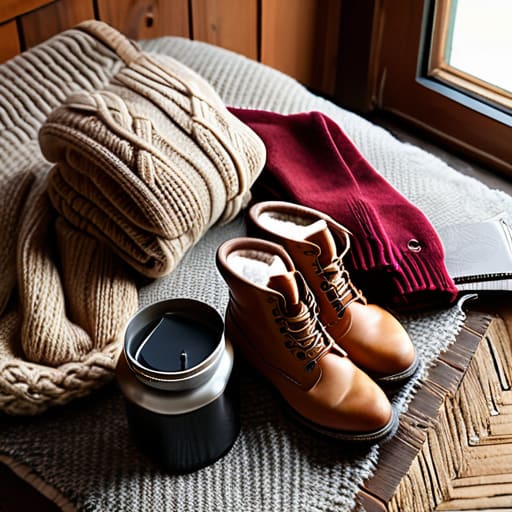
I remember standing on a windswept corner in Chicago years ago, shivering not because I lacked the “latest” high-tech gear, but because I had packed my suitcase like I was preparing for a business meeting rather than a frost. I had followed all those glossy, expensive guides, yet I still found myself retreating to the hotel early, missing the quiet magic of the city under a blanket of snow. Most of the advice you find online regarding packing tips for winter is just a way to sell you more layers you don’t actually need. They want you to believe that survival requires a mountain of synthetic fabrics, when really, it’s about knowing what truly matters when the temperature drops.
I’m not here to sell you on any miracle gadgets or overpriced thermal tech. Instead, I want to share a few practical, tried-and-true lessons I’ve gathered from decades of navigating the cold, both on job sites and on my travels. I’ll show you how to pack light enough to actually enjoy the walk to that little corner bakery, while staying warm enough to linger there. We’re going to focus on the essentials—the kind of steady, reliable wisdom that lets you focus on the view, not your toes.
Table of Contents
Finding Comfort in Thermal Base Layers
When I first started traveling in the colder months, I used to make the mistake of piling on heavy sweaters, thinking bulk was the same as warmth. I’d end up feeling stiff and clumsy, like I was wearing a suit of armor rather than clothes meant for enjoying a stroll. Now, I realize that the real secret lies in what sits closest to your skin. Investing in a few high-quality thermal base layers changed everything for me. They take up almost no room in my bag, which is a relief when I’m trying to keep my luggage light and manageable.
I always suggest choosing fabrics like merino wool; it breathes well even when you’re ducking into a warm cafe for a quick sketch. These pieces are absolute winter travel essentials checklist items because they regulate your temperature without the unnecessary weight. By keeping the warmth close to your body, you can actually wear lighter, more comfortable outer layers. It’s much easier to sit on a park bench and watch the frost settle when you aren’t shivering under five layers of bulky flannel.
A Winter Travel Essentials Checklist for Quiet Moments
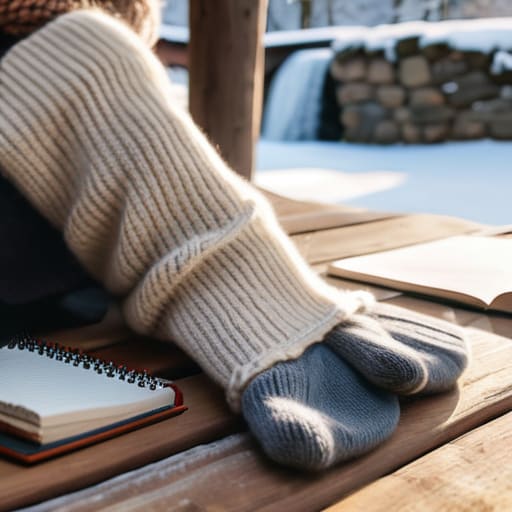
Beyond the layers that keep your core warm, I’ve found that the best way to truly enjoy a cold morning is to ensure your extremities aren’t paying the price. I always make a point to include a few specific winter accessories for travel in my kit—not just the standard gloves, but a pair of high-quality, lined wool socks and a scarf that feels soft against the skin. There is nothing quite as jarring as a biting wind cutting through a thin knit while you’re trying to sketch a frost-covered bridge.
I also tend to keep a small, dedicated list in my leather notebook—my own personal winter travel essentials checklist—to ensure I don’t overlook the small things. This includes a sturdy, insulated thermos for tea and, perhaps most importantly, a pair of reliable waterproof footwear for snow. If your feet are damp, you’ll find yourself rushing back to the hotel before you’ve even had a chance to appreciate the silence of a fresh snowfall. Having the right gear means you can stay out a little longer, lingering in those quiet, frozen moments that make winter so special.
Small Things That Make a Big Difference When the Temperature Drops
- Don’t overstuff your suitcase with heavy coats; instead, focus on a good, lightweight down jacket that can be tucked away when you’re sitting in a warm cafe.
- Pack a pair of sturdy, broken-in leather boots—nothing ruins a contemplative walk like a blister or a damp, cold foot.
- I always make sure to slip a pair of wool socks into my day bag, just in case I find a particularly beautiful view that requires me to linger a little longer than planned.
- Bring a small, insulated thermos; there is something deeply restorative about sipping hot tea while watching the frost settle on the trees.
- Leave a little extra room in your bag for the unexpected, like a heavy scarf or a pair of gloves you might find at a local market that feels just right.
A Few Final Thoughts Before You Set Off
Don’t overcomplicate your kit; focus on quality layers that allow you to linger in the cold rather than rushing back to the warmth.
Always leave a little extra room in your bag for the things that feed the soul, like a heavy sketchbook or a sturdy pair of binoculars.
Remember that the goal of packing isn’t just to be prepared for the weather, but to ensure you’re comfortable enough to actually stop and enjoy it.
The Weight of What We Carry
When you’re packing for the cold, don’t just think about the temperature; think about what you’ll need to stay still. If you’re too weighed down by heavy, clunky gear, you’ll spend your whole trip rushing to get back to the warmth, rather than sitting on a bench to watch the frost settle on the trees.
Bernard Oyelaran
The Weight of What Matters
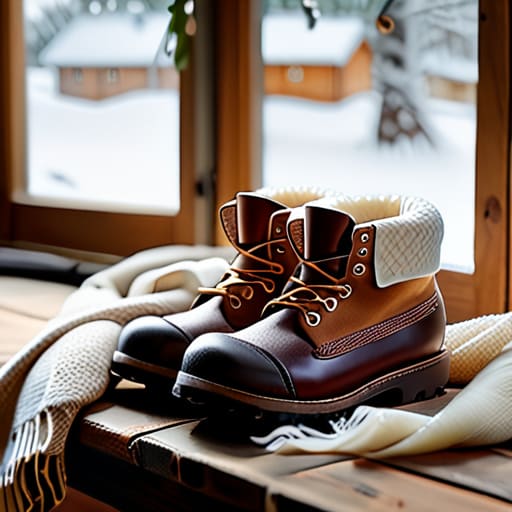
At the end of the day, preparing for a winter journey isn’t about checking off a hundred different items on a spreadsheet. It’s about making sure those essentials—the warmth of a reliable base layer, the comfort of sturdy boots, and that one extra scarf that feels like a hug—are there to support you. When you have the right gear, you aren’t constantly fighting the cold or worrying about a drafty window in a small cafe. Instead, you’re free to focus on the things that actually matter, like the way the light hits the frost on a pine needle or the steam rising from a fresh bowl of stew. By packing with intention rather than excess, you ensure that the weather remains a backdrop to your adventure, rather than an obstacle.
As I sit here in my study, looking over my sketches from last winter, I’m reminded that the best travel memories rarely come from the most efficient itineraries. They come from those long, slow afternoons when you were warm enough to sit still and simply watch the world turn white. Don’t let the fear of the cold keep you indoors or make you rush through a beautiful landscape just to get back to the heat. Pack enough to be comfortable, but leave enough room in your heart to be surprised. After all, the goal isn’t just to survive the winter; it is to savor the stillness it brings.
Frequently Asked Questions
How do I balance staying warm with not overpacking my suitcase?
It’s a delicate balance, isn’t it? I used to think more was better, but my shoulders learned otherwise. The trick is to think in layers rather than bulk. Stick to a few high-quality wool pieces that work together—a single merino sweater can be worn over a shirt one day and under a jacket the next. If you focus on versatile, thin layers, you’ll stay warm without turning your suitcase into a heavy burden.
Are there specific types of boots you've found that are comfortable enough for long, slow walks in the snow?
I’ve learned the hard way that stiff, heavy boots are the enemy of a good stroll. I always look for something with a bit of flexibility—think a sturdy leather hiking boot with a good waterproof membrane. Most importantly, don’t skimp on the soles; you want deep treads so you can stop and admire a frost-covered branch without worrying about a slip. And please, leave extra room for thick wool socks. Comfort is everything.
What do you recommend for keeping my hands warm enough to actually use my camera or sketch in my notebook?
There’s nothing quite as frustrating as having a beautiful view in front of you, only to find your fingers too stiff to even hold a pencil. I’ve learned the hard way that standard gloves just won’t cut it. I always pack a pair of thin, touchscreen-compatible liners to wear under heavier mittens. That way, I can slip the mittens off for a moment to adjust a lens or jot a note, without the biting chill setting in.
