
I remember sitting in a dusty site trailer back in ’94, surrounded by blueprints and the smell of stale coffee, feeling a heaviness in my chest that no amount of caffeine could lift. I used to think my temperament was just a byproduct of a high-pressure career, but I was wrong. It turns out, the connection between food and mood isn’t some mystical secret found in a $20 green juice or a complex supplement regimen; it’s much more grounded than that. I spent years ignoring how a heavy, greasy lunch could leave me feeling mentally sluggish and gray, only to realize that what I put on my plate was directly dictating the weather inside my own head.
I’m not here to give you a lecture on macronutrients or peddle any expensive dietary fads that promise instant enlightenment. Instead, I want to share what I’ve learned through decades of trial, error, and a lot of slow walks through local markets. I’ll be sharing some straightforward, practical observations on how simple, honest meals can help steady your nerves and clear the fog. We’re going to look at how to eat in a way that honors both your body and your peace of mind, one bite at a time.
Table of Contents
Finding Stillness Through the Gut Brain Axis Connection

I remember sitting in my office back in Detroit, staring at blueprints and feeling that familiar, jagged edge of anxiety. I used to think it was just the stress of the job, but looking back, I realize my body was trying to tell me something. There is this fascinating concept called the gut-brain axis connection that explains why we feel so much in our stomachs. It turns out our digestive system and our mind are in a constant, whispered conversation. When I was living on black coffee and quick sandwiches, that conversation was mostly shouting.
Now, I try to listen to what my body actually needs to stay level. I’ve found that keeping things steady—watching how blood sugar and emotional stability are linked—makes a world of difference. Instead of the mid-afternoon crash that used to leave me irritable, I opt for something more grounding. Incorporating more serotonin producing foods, like a handful of walnuts or some fermented yogurt, feels less like “dieting” and more like tending to a garden. It’s about providing the right soil so the rest of the plant can actually bloom.
Nourishing the Soul With Serotonin Producing Foods
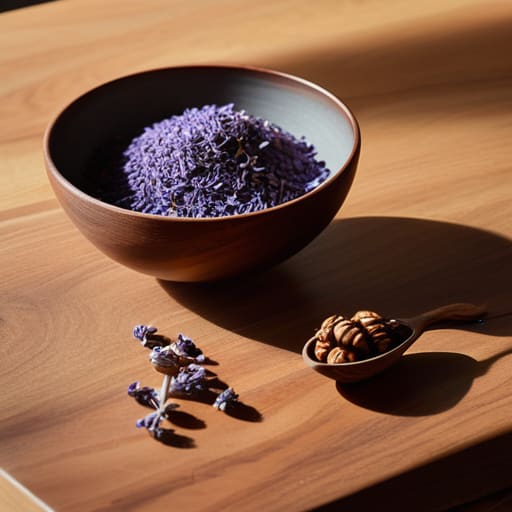
I’ve often found that when the world feels a bit too loud, my first instinct is to reach for something simple and grounding. It turns out there is a bit of science behind that instinct. We often talk about happiness as an abstract concept, but it’s frequently tied to the very things we put on our plates. I’ve started paying more attention to serotonin producing foods, like walnuts or even a bit of dark chocolate, realizing they aren’t just treats, but tools for a steadier mind.
It isn’t just about a single ingredient, though; it’s about the rhythm of how we eat. I noticed long ago that a heavy, sugary snack might give me a quick lift, but the inevitable crash leaves me feeling frayed and impatient. Keeping a steady hand on blood sugar and emotional stability has become a quiet priority for me. Now, I look for those slow-burning meals—oats, seeds, and greens—that keep my energy as level as a well-laid foundation. It’s a small, daily way to practice a bit of self-care without making a fuss about it.
Simple Ways to Eat for a Brighter Outlook
- Don’t let a busy schedule turn your lunch into a rushed affair; even if it’s just fifteen minutes, sit down, put your phone away, and actually taste what’s on your plate.
- Keep your blood sugar from crashing like a poorly designed bridge by reaching for slow-burning grains or nuts instead of those sugary snacks that leave you feeling hollow an hour later.
- Make it a point to include something green or colorful in your meals, because there’s a certain quiet satisfaction in knowing you’re giving your body the real fuel it needs to stay steady.
- Treat hydration like any other essential maintenance—sip on water throughout the day to keep that mental fog from settling in.
- Listen to your body’s cues rather than the clock; sometimes we eat because we’re bored or stressed, but learning to distinguish true hunger from a restless mind can change everything.
A Few Small Things to Carry With You
Don’t let the rush of the day dictate your plate; even a simple, intentional meal can act as an anchor when things feel chaotic.
Listen to your body’s quiet signals—sometimes a dip in your spirit is just a sign that you’ve been neglecting the fuel that keeps your mind steady.
Focus on the quality of what you consume, choosing real, nourishing foods that feed both your physical strength and your inner peace.
The Quiet Alchemy of a Table Set
We often treat eating like a chore to be checked off a list, but there is a quiet kind of medicine in a well-prepared meal; it’s more than just fuel for the body, it’s a way to settle the mind and remind ourselves that, for a moment, everything is exactly as it should be.
Bernard Oyelaran
A Final Thought from the Table

Looking back at everything we’ve discussed, it’s clear that the connection between what we eat and how we feel isn’t just some abstract scientific theory. It’s something we experience every single day, often without realizing it. From the way our gut health acts as a second brain to the quiet power of those serotonin-boosting foods, our plates are essentially the foundation for our emotional resilience. I’ve learned through my own years of rushing from one project to the next that you can’t build a steady life on a shaky foundation. We have to honor the biological rhythm of our bodies by choosing ingredients that actually support our peace of mind, rather than just fueling a frantic pace.
As I sit here in this little café, watching the light shift across the wooden table, I’m reminded that nourishment is about much more than just calories. It’s about the intention we bring to the act of eating. Next time you feel the world starting to spin a little too fast, I encourage you to step away from the screen, put down the phone, and simply taste your food. Treat your next meal as a small, sacred ritual of self-care. After all, life is far too short to rush through the very things that are meant to sustain us.
Frequently Asked Questions
Are there certain heavy, comforting foods we grew up with that might actually be making our moods more unpredictable?
It’s a fair question, and one I’ve had to ask myself. There’s something deeply nostalgic about a heavy, cream-laden pasta or a thick slice of buttery toast—the kind of things my mother used to make on rainy afternoons. But I’ve noticed that those “comfort” meals often leave me feeling sluggish and a bit foggy an hour later. Those sugar and fat spikes can lead to a real emotional dip, making our moods feel like a seesaw.
How much of a difference does it really make to eat mindfully versus just focusing on the ingredients themselves?
It’s a bit like the difference between looking at a blueprint and actually walking the site. You can know every ingredient on the plate—the technical specs, so to speak—but that’s not the same as truly experiencing the meal. When I sit down and actually notice the texture of a crusty loaf or the way a sauce coats a spoon, I’m not just fueling my body; I’m signaling to my mind that it’s okay to settle in.
When I'm feeling particularly low, is it better to reach for something quick and easy, or is the effort of cooking a meal part of the healing process?
It’s a bit of a balancing act, isn’t it? On those days when the weight feels too heavy, don’t beat yourself up for grabbing something simple. Sometimes, survival is the priority. But if you can find even a sliver of energy, there is a quiet, meditative magic in the chopping and the stirring. It’s a way of reclaiming yourself. Even if it’s just a simple stew, the act of creating something nourishing can be a small victory.
