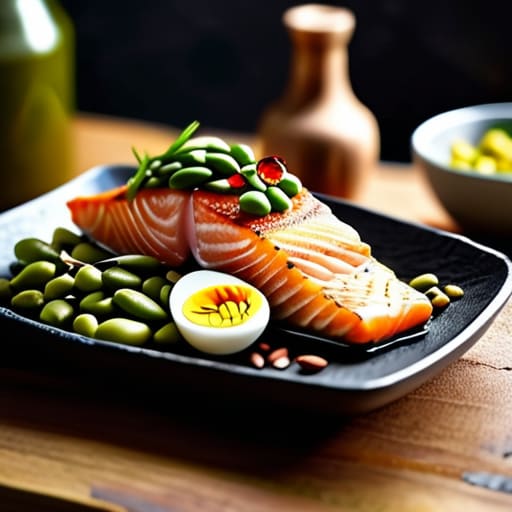
I was sitting in a small café in Florence last Tuesday, watching a young man hunched over his laptop, tearing through a chalky, expensive protein bar like it was a chore to be finished. It struck me how much we’ve turned eating into a mathematical equation rather than a way of life. Everywhere you look lately, people are obsessed with these highly processed powders and neon-colored supplements, acting as if you can’t find protein rich foods without a chemistry degree or a massive credit limit. It’s all a bit much, isn’t it? We’ve lost the simple joy of a well-cooked meal in favor of chasing optimized macros that taste like cardboard.
I’m not here to sell you on a miracle powder or a complicated meal plan that requires a spreadsheet to follow. Instead, I want to share what I’ve learned from decades of working hard and traveling even harder: the real power lies in the simple, honest staples. I’ll be sharing my favorite ways to incorporate protein rich foods—from hearty lentils to a perfectly roasted piece of fish—into a life that actually feels worth living. We’re going to focus on food that nourishes your body without making you feel like a science experiment.
Table of Contents
Finding Peace in the Best Sources of Lean Protein
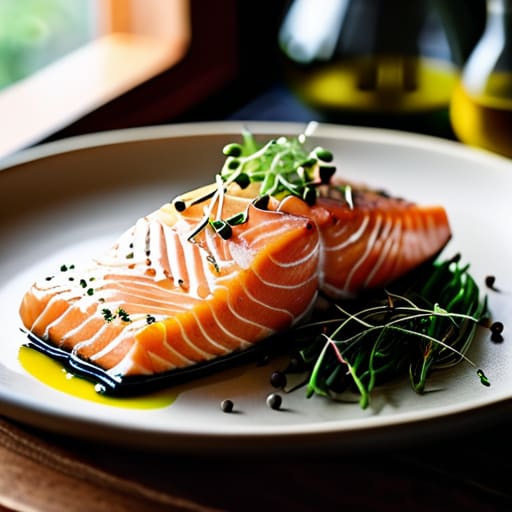
When I was managing construction sites, lunch was often a hurried affair—a sandwich eaten standing up while checking blueprints. But these days, I’ve learned that what we put in our bodies should be handled with the same care I give to a delicate Leica lens. I find myself gravitating toward the best sources of lean protein, like a piece of baked salmon or a simple bowl of lentils, because they feel substantial without weighing me down. There is a certain quiet dignity in choosing foods that nourish you steadily rather than giving you that frantic, sugary spike and crash.
For those days when I’m out sketching in a park and hunger creeps in, I don’t reach for processed bars. Instead, I keep a few high protein snack ideas in my bag, like a handful of almonds or some hard-boiled eggs. It’s not just about the fuel; it’s about the intention. Whether you are looking at protein intake for weight loss or simply trying to maintain your strength for a long afternoon walk, I’ve found that the most satisfying meals are the ones that leave you feeling balanced and ready to notice the world again.
Nurturing the Soul With Diverse Vegetarian Protein Sources
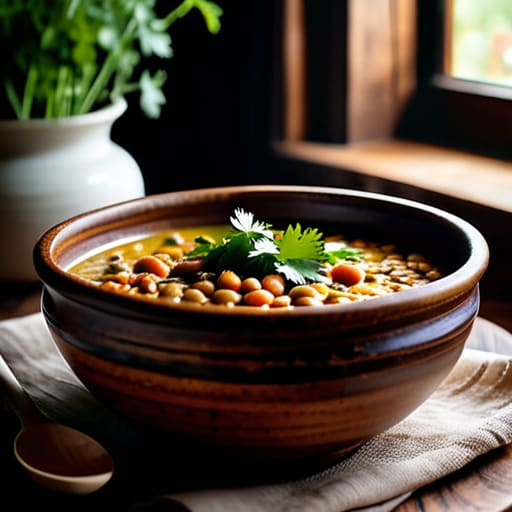
I’ve always found that there is a certain quiet dignity in a well-prepared vegetarian meal. It doesn’t need to be flashy to be deeply satisfying. When I’m traveling and find myself away from my usual kitchen, I often lean on simple vegetarian protein sources like lentils or chickpeas. There is something incredibly grounding about the texture of a slow-simmered dal; it reminds me of the patience required in my old engineering days. You can’t rush a good stew, much like you can’t rush a good life.
If you find yourself needing a bit of energy between meals while out exploring, I’ve found that a handful of roasted almonds or some Greek yogurt can serve as excellent high protein snack ideas. They keep you steady without that heavy, sluggish feeling that often follows a rushed, processed meal. I try to focus on foods that offer a complete amino acid profile to ensure my body is actually getting what it needs to stay strong. It isn’t about counting every single gram, but rather about choosing ingredients that make you feel truly nourished from the inside out.
Small Habits for a More Nourishing Plate
- Don’t treat protein like a chore or a math equation on a label. Instead, think of it as the foundation of a steady afternoon. A bit of Greek yogurt or a handful of almonds can be the difference between feeling rushed and feeling grounded.
- I’ve learned that variety is much more interesting than repetition. If you only ever reach for chicken, you miss out on the earthy, quiet satisfaction of a well-seasoned lentil stew or the richness of a piece of wild-caught fish.
- Try to prepare your protein with intention rather than speed. Searing a piece of steak or slow-roasting some chickpeas takes time, but that patience translates into a much deeper flavor that rewards you when you finally sit down to eat.
- Keep things simple and unpretentious. You don’t need fancy powders or processed bars to get what you need. Often, the most reliable fuel comes from things that look like they did a hundred years ago—eggs, beans, and nuts.
- Listen to your body’s rhythm. There are days when a heavy meal feels right and days when something lighter, like a simple bowl of edamame, is all you need to feel replenished. The goal isn’t perfection; it’s just being present with what you eat.
A Few Small Reminders for the Road Ahead
Don’t treat your protein intake like a checklist or a chore; instead, see it as a way to honor your body and give yourself the steady energy needed for a long afternoon walk.
Whether it’s a piece of grilled fish or a hearty bowl of lentils, try to focus on the textures and flavors rather than just the numbers on a nutrition label.
Remember that variety isn’t just about nutrition—it’s about the joy of discovery, much like finding a new, quiet corner of a city you thought you already knew.
A Quiet Kind of Fuel
I’ve learned that protein isn’t just about building muscle for a job well done; it’s about the steady, quiet strength we need to simply show up for the day, sitting down to a warm bowl of beans or a piece of fish, and letting that nourishment settle us back into ourselves.
Bernard Oyelaran
A Final Thought on Nourishing the Journey
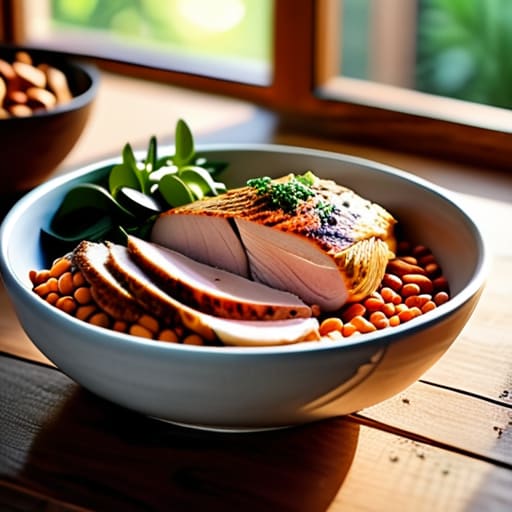
As I look back over these different ways to fuel ourselves, I’m reminded that whether it’s a piece of roasted chicken, a hearty bowl of lentils, or a handful of almonds, the goal isn’t just about hitting a nutritional number on a spreadsheet. It’s about choosing foods that provide the steady, reliable energy we need to keep moving through our days. We’ve talked about the lean, clean strength found in animal proteins and the wonderful, earthy variety that plant-based options bring to the table. Ultimately, the best approach is one that feels sustainable and kind to your body, allowing you to find a balance that works for your own unique rhythm.
I often find that when I’m sitting in a small café in a new town, sketching the architecture or watching the light change on the cobblestones, I feel my best when I haven’t rushed my nourishment. Don’t treat eating as another chore to check off your list between meetings or errands. Instead, treat it as a quiet act of respect for the vessel that carries you through this life. Take a breath, enjoy the texture of your meal, and remember that taking care of yourself is the very first step in being able to appreciate the beauty of the world around you.
Frequently Asked Questions
How can I make sure I'm getting enough protein without feeling like every meal has to be a heavy, complicated production?
The trick is to stop viewing protein as a “main event” that requires a heavy plate and a lot of fuss. I’ve found that it’s much easier to just sprinkle small, thoughtful additions throughout the day. A handful of almonds while you’re reading, a bit of Greek yogurt with some honey, or even some chickpeas tossed into a simple salad. It’s about those quiet, little additions that add up without any extra work.
Are there certain ways to prepare these proteins that make them feel a bit more special, rather than just functional fuel?
It’s easy to treat food like an errand, but I’ve learned that a little care changes everything. Instead of just tossing chicken in a pan, try roasting it with some fresh rosemary and a squeeze of lemon. Or, if you’re having lentils, don’t just boil them; sauté them with a bit of garlic and onion until they’re fragrant. It’s those small, intentional steps that turn a simple meal into something worth savoring.
For someone who isn't looking to build massive muscle but just wants to feel steady and nourished, how much protein do I actually need in a day?
I’ve found that when you aren’t training for a marathon or trying to bulk up, the numbers matter less than the feeling of being truly satisfied. Generally, aim for about 0.8 grams of protein per kilogram of your body weight. It sounds technical, but really, it’s just about ensuring every meal has a steady anchor—a bit of fish, some beans, or a handful of nuts—so you don’t feel that midday slump.
