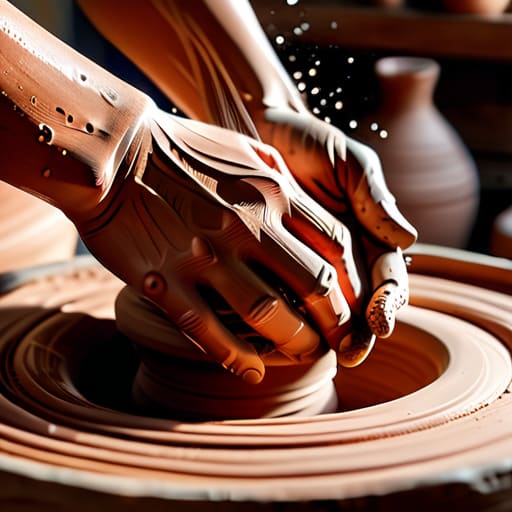
I was sitting in a small café in the Cotswolds last Tuesday, watching a young man try to take the perfect photo of his breakfast for social media. He was hovering over a piece of mass-produced, factory-stamped stoneware, trying to make it look “artisanal.” It struck me then how much we’ve lost the ability to actually feel the objects we use every day. People often treat handmade pottery like some high-brow status symbol or a luxury investment meant for a glass display case, but that’s a load of nonsense. To me, a piece of clay shouldn’t be a trophy; it should be a tool that feels right in your hand when you’re halfway through a morning coffee.
I’m not here to sell you on expensive collections or teach you how to curate a “lifestyle.” Instead, I want to talk about why the slight wobble in a rim or the grit of the glaze actually matters. I’ll share what I’ve learned about finding pieces that possess a real soul, focusing on the utility and the quiet beauty of the maker’s mark. We’re going to look at how to spot quality without the pretension, so you can find items that truly make a house feel like a home.
Table of Contents
Finding Peace in Wheel Thrown Ceramic Techniques
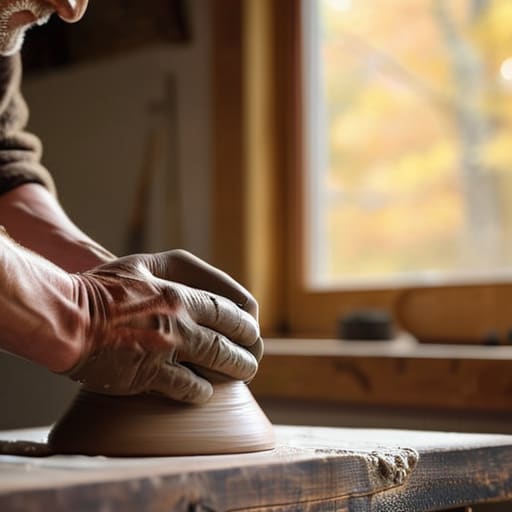
I remember watching a potter at a small studio in Vermont last autumn. There was no frantic energy, just a rhythmic, almost meditative focus. Watching someone master wheel-thrown ceramic techniques is a bit like watching a seasoned engineer steady a bridge; it’s all about the balance of pressure and patience. You see the clay resisting at first, fighting the centrifugal force, until the potter finds that precise center. It’s a quiet battle won through steady hands and a calm mind.
There is a particular grace in how the clay rises between the fingers, transforming from a heavy lump into something delicate and purposeful. I’ve always been fascinated by the stoneware vs porcelain differences—the way stoneware holds a rugged, earthy weight that feels right in the palm of a hand, while porcelain demands a level of precision that borders on the spiritual. Whether it’s a sturdy mug for my morning coffee or a slender vase, these pieces carry the literal imprint of the maker’s touch, reminding us that beauty is often found in the slight imperfections of a life well-lived.
Stoneware vs Porcelain Differences Choosing Your Morning Vessel

I’ve spent many mornings sitting on my porch, watching the light shift over the hills, and I’ve realized that the weight of the cup in my hand changes the entire experience. When I’m looking for something to hold a heavy, dark roast, I usually reach for stoneware. It has a certain ruggedness to it—a density that feels honest and unpretentious, much like the landscapes I try to sketch in my notebook. There is a subtle, earthy grit to the texture that reminds you of the ground itself.
Porcelain, on the other hand, is a different sort of magic altogether. It’s delicate, almost ethereal, and possesses a translucent quality that seems to catch the morning sun. While the stoneware vs porcelain differences might seem technical to a stranger, to me, it’s about the soul of the vessel. Porcelain demands a certain reverence; you hold it differently, as if you’re protecting a small piece of captured light. Whether you prefer the sturdy reliability of a thick mug or the refined grace of a fine teacup, the choice dictates the rhythm of your morning.
A Few Small Lessons from the Kiln and the Kitchen
- Don’t be afraid of the imperfections; a slightly uneven rim on a coffee mug is just a reminder that a real person, not a machine, shaped it to fit your hands.
- When you’re looking to buy, feel the weight of the piece; a good vessel should feel substantial and balanced, never like it’s going to tip over during your morning ritual.
- Pay attention to the glaze texture; there’s a world of difference between a slick, factory-smooth finish and the tactile, earthy grit of a natural mineral glaze.
- Treat your pieces with a bit of respect—handmade stoneware isn’t meant to be tossed into a chaotic dishwasher cycle, so give it a gentle hand-wash to keep the soul of the clay intact.
- Start small with your collection; you don’t need a whole cupboard of ceramics, just one or two truly special pieces that make you want to sit a little longer at the table.
Lessons from the Kiln: What My Hands Learned
Don’t rush the process; just as a bridge needs a solid foundation, a piece of pottery requires patience and a steady hand to truly find its shape.
Choose your vessels based on how they feel in your hands, not just how they look on a shelf—a heavy stoneware mug offers a much-needed sense of grounding during a quiet morning.
Embrace the imperfections, because those slight wobbles in a hand-thrown bowl are what remind us that there is beauty in things that aren’t perfectly manufactured.
The Weight of the Maker's Hand
There is a certain honesty in a bowl that hasn’t been smoothed over by a machine; you can feel the slight wobble of the wheel and the pressure of a thumb, a quiet reminder that something real was made by a person, just like us.
Bernard Oyelaran
Bringing the Clay Home
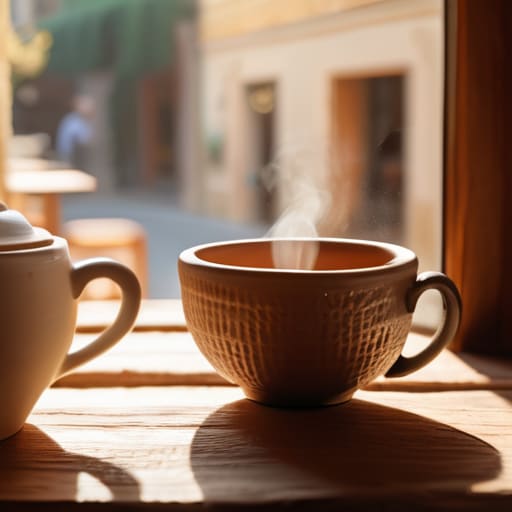
As I sit here in this small cafe in Florence, watching the light shift across my table, I realize that choosing between the rugged reliability of stoneware and the delicate grace of porcelain isn’t just about utility. It’s about deciding how you want to interact with your morning ritual. Whether you find comfort in the heavy, earthy weight of a wheel-thrown mug or prefer the refined elegance of a porcelain tea bowl, these pieces serve as a bridge between the maker’s hands and your own. We’ve looked at how the technique defines the soul of the piece and how the material dictates its purpose, but ultimately, the true value lies in how these objects anchor you to the present moment.
I often think back to my years on construction sites, where everything was measured by rigid tolerances and steel-cold precision. But life, I’ve found, is much more interesting in the imperfections. When you hold a piece of handmade pottery, you aren’t just holding a vessel; you are holding a moment of someone’s stillness. I encourage you to look for those small, intentional details in your next purchase. Don’t just buy something because it’s functional; buy it because it makes you want to slow down and linger just a little bit longer over your coffee. After all, the best things in life are rarely the most perfect ones—they are the ones that make us feel truly at home.
Frequently Asked Questions
How do I know if a handmade mug is actually safe to use in the microwave or dishwasher?
It’s a practical concern, isn’t it? I’ve learned the hard way that not every beautiful piece plays well with modern convenience. The best way is simply to ask the maker—they know their glazes best. If you can’t, look for a “dishwasher safe” stamp on the bottom. Otherwise, I prefer to treat my favorites with a little care: hand-wash them and skip the microwave. A bit of extra effort keeps the piece lasting longer.
Is there a significant difference in how a piece feels in my hands if it's finished with a matte glaze versus a shiny one?
Oh, there’s a world of difference. I’ve spent many mornings sitting on a porch, just holding a mug and watching the light change. A shiny glaze feels smooth, almost clinical, like a polished stone. But a matte finish? That’s another story. It has a slight, earthy grit that feels more honest under your fingers. It catches the light softly, rather than bouncing it back, which makes the whole experience feel much more grounded.
If I'm looking to start a small collection, should I focus on finding a single artist's style or try to mix different textures and shapes?
I’ve always found that a bit of variety keeps the table interesting. If you stick to just one artist, your cupboard might start to feel a bit clinical, like a showroom. I prefer to mix things up—a rugged, speckled stoneware mug paired with a smoother, more delicate bowl. It’s like a good landscape; the beauty comes from the contrast between the rough edges and the soft light. Mix the textures; it makes every meal feel new.
