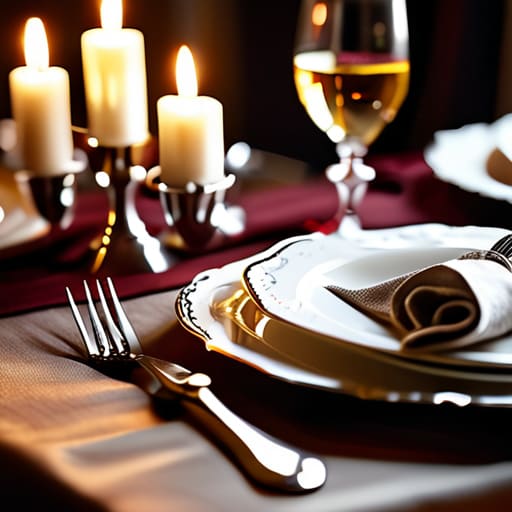
I remember sitting in a small, sun-drenched bistro in Lyon last autumn, clutching my leather notebook and feeling a sudden, sharp wave of anxiety. I wasn’t worried about the menu, but rather about the unspoken rules of french dining etiquette that seemed to hover over the table like a heavy fog. I watched a young couple nearby, both so preoccupied with whether they were holding their wine glass correctly or using the right fork, that they completely missed the magic of the moment. They were treating a meal like a structural inspection rather than a way to connect, and it broke my heart just a little bit to see.
I’m not here to give you a list of stuffy, impossible rules designed to make you feel like an outsider. Instead, I want to share what I’ve learned from years of traveling slowly and sitting at many a crowded table: the real secret isn’t about perfection, it’s about presence. I’ll walk you through the basics so you can feel at ease, but my real goal is to help you navigate the table with enough confidence to finally stop worrying and start savoring.
Table of Contents
Finding Peace Within French Table Setting Rules
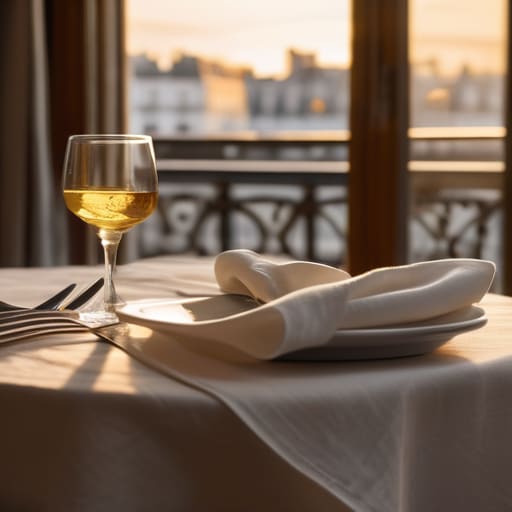
When I first sat down at a heavy linen-draped table in a small bistro near the Luxembourg Gardens, I felt a familiar prickle of anxiety. I found myself staring at the array of silverware, worried I’d commit some grave error against the local customs. But as I watched the patrons around me, I realized that the complexity of the arrangement isn’t meant to be a test of intelligence. Instead, the french table setting rules are designed to create a sense of order that allows the conversation to flow without distraction. There is a quiet dignity in knowing exactly which fork to reach for; it removes the guesswork and lets you settle into the rhythm of the evening.
I’ve learned that mastering the proper way to use cutlery in France is less about rigid perfection and more about respect for the craft of the meal. When you understand the geometry of the plate, you stop thinking about the mechanics of eating and start noticing the way the light hits your wine glass or the subtle aroma of the reduction. It turns a meal into a meditative practice. By embracing these small, structured details, you aren’t just following rules—you are finding a way to be truly present at the table.
The Quiet Grace of French Mealtime Traditions
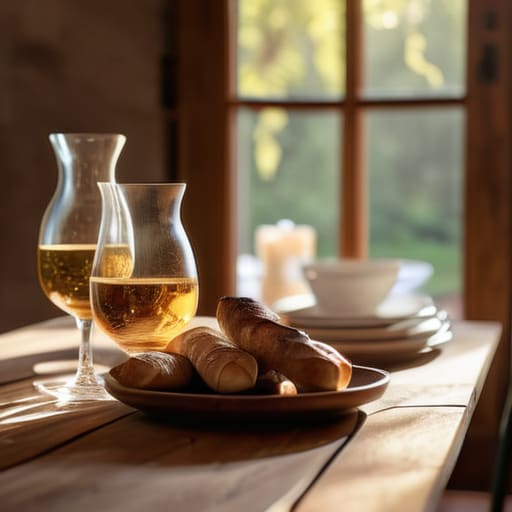
There is a certain rhythm to the way a meal unfolds here, a tempo that feels almost musical if you stop trying to rush it. I’ve noticed that many people approach french mealtime traditions with a sense of anxiety, as if they are sitting for an exam rather than a feast. But if you watch the locals, you’ll see it isn’t about rigid perfection; it’s about a shared respect for the time being spent together. It’s in the way a conversation is allowed to drift and pause, never interrupted by the frantic clatter of a plate being cleared too soon.
When the heavy silver arrives, don’t let the array of tools intimidate you. Learning the proper way to use cutlery in France is less about memorizing a map and more about understanding the flow of the courses. I find that once I stop worrying about which fork belongs to the fish and which to the salad, I can actually focus on the texture of the sauce or the scent of the herbs. It’s a subtle dance of social graces during French meals, where the goal is simply to remain present and composed, letting the meal breathe just as you do.
A Few Small Manners to Help You Settle In
- Don’t let the array of silverware intimidate you. Just remember that the utensils are laid out in the order you’ll need them, working your way from the outside in. It’s less about following a rigid manual and more about letting the meal dictate your pace.
- When it comes to the bread, try to avoid cutting it with a knife like a piece of steak. It’s much more natural to tear off a small, bite-sized piece with your fingers. It keeps the rhythm of the meal soft and unhurried.
- Keep your hands visible, resting lightly on the edge of the table rather than tucked in your lap. It’s a small thing, but it creates a sense of openness and presence that makes the conversation feel a bit more grounded.
- If you need to step away for a moment, simply place your napkin on your chair. It’s a subtle signal to the staff and your companions that you aren’t quite finished with the experience, but just taking a brief breath.
- Most importantly, resist the urge to rush. In France, a meal isn’t a hurdle to clear before the next appointment; it’s the event itself. If the courses take a while, let them. That’s where the real magic happens.
A Few Things to Carry With You
Don’t let the rules intimidate you; see the placement of the forks and knives not as a test, but as a gentle rhythm designed to keep the conversation flowing and the meal steady.
Remember that the true heart of a French table isn’t found in perfect posture, but in the willingness to linger over a glass of wine and let the bread sit a little longer on the plate.
Approach every meal as an opportunity to slow down, treating the etiquette as a way to honor the food and the people sitting across from you.
## Beyond the Silverware
“People often mistake French dining etiquette for a rigid set of rules designed to exclude, but I’ve come to see it differently; it’s really just a gentle way of telling your companions that the person across the table is far more important than the clock on the wall.”
Bernard Oyelaran
The Heart Behind the Ritual
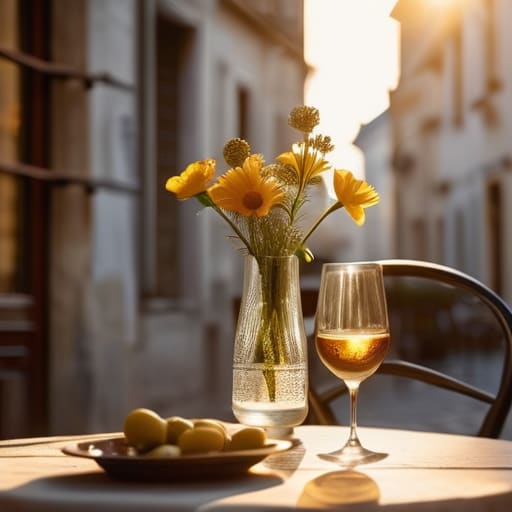
As I sit here in this small café, watching the sunlight stretch across the cobblestones, I realize that all these rules—the placement of the forks, the way one handles a wine glass, or the patience required between courses—are not meant to be hurdles. They are actually a framework designed to protect the conversation. When we understand the rhythm of the table, we stop worrying about making a mistake and start focusing on the person sitting across from us. Whether it is the delicate dance of the silverware or the simple respect of waiting for everyone to be served, these traditions serve one singular purpose: to create a space where nothing is more important than the shared experience of the meal.
In my years managing construction sites, I learned that the strongest structures require a solid foundation. I’ve come to see French dining etiquette in much the same way; it is the foundation that allows the beauty of the moment to truly stand tall. So, please, don’t let the fear of a misplaced spoon keep you from enjoying your journey. Instead, embrace the slow pace, lean into the ritual, and remember that the most important ingredient at any table is a willingness to linger. After all, we aren’t just eating to live; we are eating to truly live.
Frequently Asked Questions
What should I do if I find myself feeling overwhelmed by all the different forks and spoons on the table?
If you find yourself staring down a row of silverware and feeling a bit flustered, just take a breath. I’ve been there, usually staring at a complex blueprint or a confusing menu. My advice? Don’t sweat the small stuff. Just start from the outside and work your way in. If you stumble, just smile and keep going. At the end of the day, the silver is just a tool; the real goal is the company and the food.
Is it considered rude to ask for more bread or water, or is that part of the natural flow of the meal?
Not at all. In fact, I’ve found that the table is meant to be a living thing. Asking for a bit more water or another crust of bread isn’t an interruption; it’s just part of the rhythm. Think of it like a conversation—it’s perfectly natural to pause and ask for what you need to keep the moment going. Don’t hesitate. Just catch the server’s eye when there’s a lull, and keep enjoying your meal.
How do I know when it is truly appropriate to finally stand up and leave the table?
It’s a common worry, but try not to let the clock dictate your movements. In France, the meal isn’t over when the plate is empty; it’s over when the conversation naturally finds its exhale. Wait for the host to signal the end—usually by clearing the final coffee or standing themselves. Until then, just linger. There’s no need to rush; the best part of the evening is often that quiet, lingering moment after the last bite.
