I was sitting in a cramped, dusty workshop last Tuesday, trying to coax a stubborn shutter mechanism back to life on an old Leica, when the smell of old machine oil and cedarwood hit me. It wasn’t some fancy, bottled concoction from a high-end boutique, but it did something to my spirit that no amount of expensive “wellness” marketing ever could. Lately, it seems like everyone treats scent therapy as this mystical, overpriced ritual involving crystal-encrusted diffusers and complicated breathing exercises. To my mind, that’s just more noise in a world that’s already far too loud.
I’m not interested in selling you on a lifestyle overhaul or some pseudo-scientific miracle cure. What I want to share is how you can use simple, honest aromas to anchor yourself when the day feels like it’s spinning a bit too fast. I’ll be looking at the practical side of things—how a bit of rosemary or the scent of rain on hot pavement can serve as a quiet reset button for your mind. No fluff, no hype; just a few ways to use your senses to find your footing again.
Table of Contents
Essential Oils for Relaxation in Small Moments
I’ve found that I don’t need much to shift my mood, just a few well-chosen bottles on the windowsill. When the house feels a bit too quiet or my mind starts racing toward tomorrow’s to-do list, I reach for lavender or sandalwood. These aren’t just pleasant smells; they are tools. I’ve learned that using essential oils for relaxation is less about a grand ritual and more about those tiny, intentional pauses. Sometimes, a single drop on a cotton ball tucked near my sketching notebook is enough to ground me.
I’ve also taken to experimenting with different scent diffusion techniques depending on the time of day. In the mornings, a bright citrus helps clear the mental fog, but as the sun begins to dip, I prefer the steady, earthy notes of cedarwood. There is a fascinating way the olfactory system and brain connection works—it’s almost like a shortcut to a calmer state of mind. It isn’t magic, but it certainly feels like a gentle hand on my shoulder, reminding me to simply be where my feet are.
Sensory Wellness Practices to Soften the Day
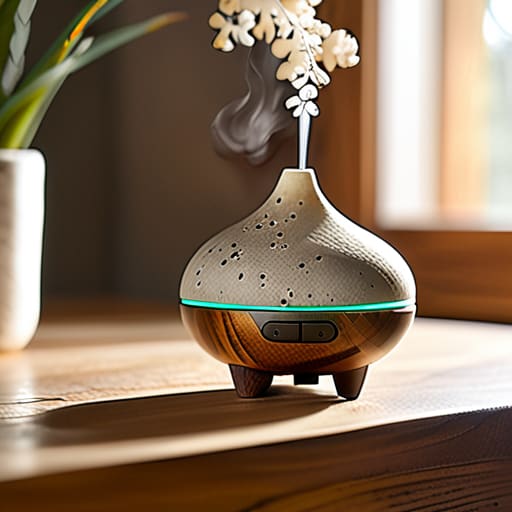
It isn’t just about the smell itself, though; it’s about how we weave these moments into the fabric of a busy afternoon. I’ve found that the most effective sensory wellness practices don’t require a complete overhaul of your routine. For me, it’s as simple as choosing a specific scent to mark the transition from a hectic morning to a quiet lunch. I might use a small stone diffuser on my desk, letting a few drops of cedarwood drift through the air. It acts as a subtle signal to my mind that the rush is over and it’s time to settle in.
There is a fascinating bit of science behind why this works, too—something about the olfactory system and brain connection that allows a single breath to bypass our cluttered thoughts and head straight for our emotions. When I’m feeling particularly wound up, I don’t reach for a complicated solution. I just lean into the ritual. Whether it’s a warm compress infused with citrus or simply sitting still with a cup of tea while a scent lingers, these small acts help soften the edges of a demanding day.
A Few Simple Ways to Bring Scent into Your Daily Rhythm
- Don’t feel like you need a fancy machine; sometimes a single drop of cedarwood oil on a cotton ball tucked into your pocket is enough to catch a scent when the world feels a bit too loud.
- I’ve found that timing is everything—try using something bright like citrus when you’re waking up, but save the heavier, earthier scents for that quiet hour just before the sun goes down.
- Treat it like one of my old cameras; it’s about the ritual. Light the candle or start the diffuser with intention, rather than just letting it run in the background like white noise.
- Keep a small vial of peppermint or eucalyptus in your travel bag; it’s a wonderful way to clear the mental fog when you’re stuck in a long train ride or a crowded terminal.
- Always listen to your own nose. If a scent that everyone says is “relaxing” actually makes you feel restless, put it away. The goal is peace, not following a manual.
A Few Simple Reminders for the Road Ahead
Don’t wait for a grand occasion to find peace; a single drop of oil on a handkerchief or a quiet moment with a candle is enough to reset your afternoon.
Use scent as an anchor to pull yourself out of your head and back into the present moment, much like the way a familiar landscape settles the mind.
Treat these small sensory rituals not as chores to be checked off, but as necessary pauses to help you truly notice the world around you.
The Memory in a Breath
“I’ve found that a single, sharp scent—the cedar of an old workshop or the citrus of a peeled orange—can act like a hand on your shoulder, pulling you out of your head and back into the quiet, steady present.”
Bernard Oyelaran
Finding Your Own Rhythm
As I sit here at this small cafe table, sketching the way the light hits the cobblestones, I’m reminded that these little rituals—whether it’s the sharp, clean scent of eucalyptus to clear a heavy head or the soft drift of lavender at dusk—are more than just pleasant distractions. They are tools. We’ve talked about how specific oils can ground us and how simple sensory practices can act as a buffer against the frantic pace of modern life. It isn’t about creating a complicated wellness regimen or buying every bottle on the shelf; it is simply about choosing a scent that acts as a gentle signal to your nervous system that it is finally okay to let go.
In my years managing construction sites, I learned that the most important part of any structure isn’t the steel or the concrete, but the foundation that holds it all together. I think our well-being is much the same. These small, fragrant moments are the foundation of a life lived with intention. Don’t feel pressured to master it all at once. Just pick one scent, one moment, and one deep breath. After all, the world will still be spinning when you finish your tea, but you might find you’re much better prepared to meet it if you’ve taken the time to simply be.
Frequently Asked Questions
Are there any specific essential oils you’d recommend for someone who is sensitive to strong smells?
If you find yourself easily overwhelmed by heavy scents, I’d suggest steering clear of the punchier oils like peppermint or eucalyptus. Instead, I usually reach for something much more subtle, like Roman chamomile or a light touch of sweet orange. They don’t demand your attention; they just sit quietly in the background. It’s more about a faint, clean whisper of a scent rather than anything that tries to take over the room.
Do you find that certain scents work better at specific times of the day, or is it more about how you're feeling?
I’ve found it’s a bit of both, really. On mornings when my joints feel stiff and the coffee hasn’t quite kicked in, I reach for something bright like citrus to nudge me awake. But if I’m sitting on a park bench feeling a bit restless, I’ll lean toward sandalwood to steady myself. It’s less about a strict schedule and more about matching the scent to the rhythm of the moment.
I've always been a bit wary of synthetic fragrances—is it better to stick strictly to pure oils when I'm trying to relax?
I understand that hesitation completely. When I was working on those massive construction sites, everything was grit and chemicals, so I’ve grown to appreciate things that are honest and pure. For what I’m after—true relaxation—I always lean toward pure, single-origin oils. Synthetic scents can sometimes feel a bit loud or “sharp,” like a poorly tuned engine. Pure oils have a depth and a quietness that really lets you settle in.
