
I was sitting in a small café in Florence last Tuesday, watching a young man frantically scroll through his phone while picking at a plate of untouched pasta. He looked like he was carrying the weight of the entire world on his shoulders, and I realized he was doing exactly what I used to do back when I was managing bridge construction sites: beating himself up for every perceived crack in the foundation. We’ve been sold this idea that self compassion is some expensive, luxury retreat or a complicated series of breathing exercises you need a mountain top to achieve. To my mind, that’s nonsense. It’s not about buying a lifestyle; it’s about finally deciding to stop being your own harshest foreman.
In the pages that follow, I’m not going to give you any lofty, poetic theories or clinical jargon. Instead, I want to share a few practical, down-to-earth ways to practice self compassion that I’ve learned from a lifetime of making mistakes and fixing them. We’ll talk about how to treat your own failures with the same steady patience you’d offer an old friend over a quiet cup of coffee. My promise to you is simple: no fluff, just honest reflections on how to be a little kinder to the person in the mirror.
Table of Contents
Overcoming Negative Self Talk With a Gentle Morning Walk

I’ve found that the most effective way to quiet that nagging inner critic isn’t to fight it head-on, but to simply walk away from it—literally. There is something about the rhythmic strike of my boots on a gravel path that helps in overcoming negative self-talk. When those harsh thoughts start circling, telling me I’m not doing enough or that I’ve missed my stride, I try to shift my focus outward. Instead of dissecting my failures, I look at the way the morning light filters through the oak leaves or the intricate pattern of frost on a fence post.
It isn’t about ignoring the struggle, but rather using movement as one of those subtle emotional regulation techniques we all need. By focusing on the steady rise and fall of my breath and the physical sensation of the cool air, I create a bit of distance between my identity and my mistakes. It’s a simple way of building emotional resilience without needing a textbook or a formal seminar. You don’t need a mountain peak to find clarity; sometimes, just a slow loop around the neighborhood is enough to remind you that you’re doing just fine.
The Psychological Benefits of Self Kindness in Every Bite
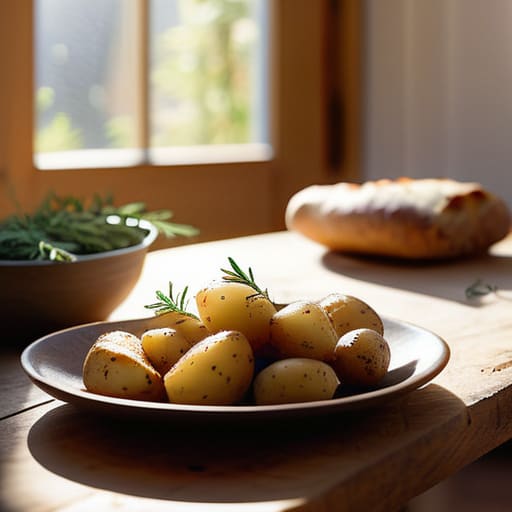
I’ve found that the way we treat ourselves at the dinner table says a lot about how we treat ourselves in the mirror. For years, I used to rush through meals, often standing up or scrolling through news on my phone, treating food as just another task to check off a list. But there is a profound difference between self-esteem—which often feels like a fragile pedestal we build ourselves upon—and the steady, quiet strength of being kind to oneself when things go wrong. When I sit down now, I try to actually taste the rosemary in the roasted potatoes or the sharpness of a good sourdough.
This simple act of slowing down serves as one of those subtle emotional regulation techniques that keeps the internal critic at bay. Instead of punishing myself for a heavy meal or a missed workout, I’ve learned to approach my plate with a sense of grace. By focusing on the sensory details of a meal, I’m not just eating; I’m practicing a form of building emotional resilience through the smallest, most repeatable moments of my day. It turns a routine necessity into a way to nourish the mind as much as the body.
A Few Small Ways to Be Kinder to Yourself
- Treat your inner critic like a noisy neighbor; acknowledge the noise, but don’t let it dictate the rhythm of your day. When that voice starts getting loud, take a breath and remind yourself that you’re doing the best you can with the tools you have.
- Practice the “Friend Test” during those moments when you feel like you’ve stumbled. If a dear friend came to you with the same mistake, you wouldn’t lecture them—you’d offer a hand and a bit of grace. Try offering that same warmth to yourself.
- Give yourself permission to have an “off” day without needing to fix it immediately. Sometimes, the most compassionate thing you can do is simply sit with the discomfort, perhaps with a sketchbook in hand, and wait for the storm to pass.
- Find small, sensory anchors to pull you out of a spiral of self-judgment. The weight of a heavy ceramic mug, the texture of a well-worn book, or the cool air on your face can act as a gentle tether, bringing you back to the present moment.
- Stop measuring your worth by your productivity. I spent decades measuring success by project milestones and deadlines, but I’ve learned that your value isn’t tied to how much you checked off a list today. You are allowed to simply exist.
A Few Things to Carry With You
When that inner critic starts getting loud, don’t fight it head-on. Just step outside, find a bit of green space, and let the rhythm of your feet help quiet the noise.
Treat your meals as more than just fuel; use them as a quiet moment to check in with yourself and practice being kind to your body.
Remember that progress isn’t a straight line or a project deadline. It’s okay to move slowly, as long as you’re being gentle with yourself along the way.
A Thought from the Notebook
We spend so much time inspecting the cracks in our own foundation, waiting for something to break, that we forget we were built to weather the seasons, not to be perfect.
Bernard Oyelaran
Finding Peace in the Quiet Moments

As I look back on what we’ve discussed, it’s clear that self-compassion isn’t some lofty, unreachable ideal. It’s found in the small, practical things—the way we choose to walk through a park when our minds are racing, or the way we sit with a warm meal instead of rushing through it while staring at a screen. Whether it’s silencing that harsh inner critic during a morning stroll or simply being gentle with yourself while you eat, these tiny shifts in perspective add up. We don’t need to overhaul our entire lives overnight; we just need to start treating ourselves with a bit more grace and patience in the everyday.
I often find myself sitting on a bench, sketching a weathered oak tree or an old stone wall, and I realize that even the most imperfect things have a certain dignity. We are much the same. We are allowed to be a bit worn around the edges, a bit unfinished, and occasionally quite lost. So, as you move into the rest of your day, I hope you remember to breathe. Don’t be so hard on yourself for not having it all figured out. Just focus on the next small step, a good view, and perhaps a decent cup of coffee. Life is far too short to spend it being your own harshest critic.
Frequently Asked Questions
How do I stop that inner critic from taking over when I'm actually in the middle of a difficult moment?
When things get heavy in the moment, I find it helpful to physically ground myself. I’ll stop, reach for my notebook, and just focus on the texture of the paper or the weight of my pen. It’s a small thing, but it pulls me out of that mental spiral. Instead of fighting the critic, I try to treat that voice like a misguided old friend—listen, acknowledge it’s there, and then gently steer your attention back to the present.
Is it possible to be kind to myself without feeling like I'm just making excuses for my mistakes?
That’s a fair question, and one I’ve wrestled with myself. There’s a fine line between making excuses and simply being honest. To me, making an excuse is trying to dodge the responsibility of a mistake. Self-compassion isn’t about saying, “It doesn’t matter that I messed up.” It’s more like looking at a cracked foundation and saying, “Alright, it’s broken; now, how do we begin the repair without tearing the whole house down in frustration?”
What are some small, practical ways to practice this when life feels too busy to even take a walk?
When the world feels like it’s moving too fast for even a stroll, I find solace in the smallest pauses. It might be the five minutes you spend watching steam rise from your coffee, or simply taking one deep, intentional breath before answering a stressful email. I often find that even a moment of stillness while sketching a single leaf in my notebook can reset the compass. It’s about finding those tiny, quiet islands in a busy sea.
