
I was sitting in a small, sun-drenched café in Florence last Tuesday, watching a young man try to “network” with a group of locals using nothing but a smartphone and a frantic, rehearsed grin. It struck me how much we’ve overcomplicated the idea of social connection by turning it into some kind of high-stakes performance or a digital checklist to be completed. We’ve been sold this notion that staying “connected” means managing a constant stream of notifications or attending expensive mixers, when in reality, we’re all just starving for something real.
I’m not here to give you a lecture on psychological theories or some complicated five-step plan to boost your engagement. Instead, I want to share what I’ve learned from thirty years of managing crews on loud construction sites and a lifetime of traveling slowly. I’ll be offering a few plain-spoken observations on how to find genuine warmth in the people around you, whether it’s through a shared meal or a simple, unhurried conversation. We’re going to look at how to strip away the noise and actually start noticing one another again.
Table of Contents
Building Meaningful Interpersonal Bonds Over a Shared Plate
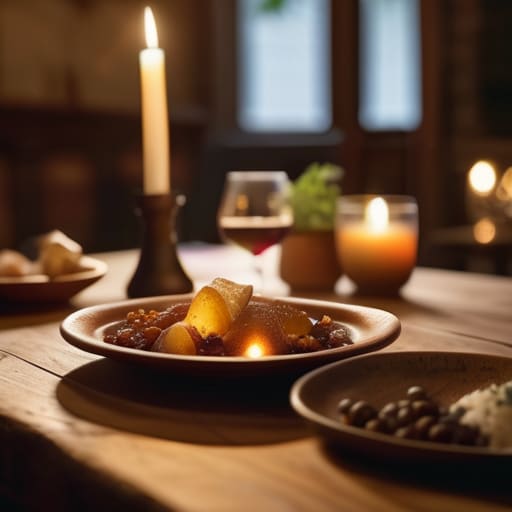
There is something about the ritual of setting a table that pulls people out of their own heads. I’ve found that when you sit across from someone with a warm plate of food between you, the barriers we build up during the day start to crumble. It isn’t about the complexity of the recipe; it’s about the rhythm of the conversation. In my engineering days, I was always looking at the big picture, the grand design. But lately, I’ve realized that building meaningful interpersonal bonds happens in the small, unscripted pauses between bites—the way a friend laughs at a shared memory or how a stranger becomes a regular at the corner bistro.
We often underestimate how much a simple dinner can act as a shield against the world. We hear a lot about the psychological impact of isolation, and it’s a heavy thing to carry alone. However, I’ve always believed that a shared meal is one of the simplest, most effective ways of staying grounded. When we make the effort to sit down together, we aren’t just eating; we are reinforcing the invisible threads that keep us tethered to one another.
The Quiet Importance of Social Support Networks

It’s easy to think of support as something grand—a hero stepping in during a crisis—but in my experience, it’s much quieter than that. It’s the neighbor who notices your mail is piling up, or the friend who calls just to ask how your garden is doing. These small, steady threads are what actually make up the importance of social support networks. When life gets heavy, it isn’t always a big solution we need; sometimes, it’s just knowing there is a familiar voice on the other end of the line.
I’ve seen firsthand how the psychological impact of isolation can settle in like a slow, damp chill. It doesn’t happen all at once, but rather through a gradual fading of those daily interactions that keep us grounded. We often mistake being “busy” for being “connected,” but there is a profound difference. True social wellness and mental health aren’t found in the noise of a crowd, but in the reliability of a few good people who show up when the world feels a little too loud or a little too empty.
Five Small Ways to Lean Into the People Around You
- Put the phone face down when you’re sitting across from someone. There is a certain kind of magic in looking a person in the eye and actually hearing the cadence of their voice without a screen buzzing between you.
- Become a regular somewhere. Whether it’s the corner bakery or that little hardware shop downtown, there’s a quiet strength in being a familiar face. A simple “good morning” to the person behind the counter can anchor you to the community.
- Don’t be afraid to ask for a little help. I spent years thinking a man should handle his own repairs, but I’ve learned that asking a neighbor for a hand with a heavy box often turns into a twenty-minute conversation that’s good for the soul.
- Practice the art of the slow check-in. Instead of a rushed text, try a handwritten note or a brief, unhurried phone call. It shows people you aren’t just checking a box, but that you’re actually thinking of them.
- Listen more than you speak. Sometimes, the greatest gift you can give another person is a quiet, attentive space where they feel heard. You’d be surprised how much beauty you find when you stop waiting for your turn to talk.
A Few Things to Carry With You
Don’t wait for a grand occasion to reach out; a simple, unhurried conversation over a coffee or a midday snack is often more nourishing than any planned event.
Look for the people who make the world feel a little steadier, and make sure you’re offering that same sense of quiet strength back to them when they need it.
Remember that connection isn’t about how many people you know, but about the depth of the moments you actually stop to share with the ones who matter.
The Unseen Threads
We spend so much time building bridges of steel and concrete, thinking that’s what holds a world together, but the real infrastructure of a life is found in the quiet, unscripted moments—a shared laugh over a lukewarm coffee or a long silence with an old friend that doesn’t need any filling.
Bernard Oyelaran
The Slow Path Home

Looking back on everything we’ve discussed, it’s clear that connection isn’t some grand, monumental achievement like finishing a bridge or a highway. It’s much smaller and much more delicate than that. It’s found in the steady rhythm of a regular lunch with an old friend, the reliability of a neighbor who checks in when the snow gets too deep, and the simple grace of sitting across from someone and truly listening. We don’t need a massive social circle to feel anchored; we just need those few, sturdy threads that tie us to the people around us. Building these bonds takes time and a bit of patience, but it is the most important infrastructure we will ever maintain.
As I sit here in this little cafe, watching the light shift across the wooden table, I’m reminded that we spend so much of our lives rushing toward the next big thing that we forget to inhabit the present. My advice is simple: don’t wait for a special occasion to reach out. Pick up the phone, knock on a door, or simply invite someone to share a quiet moment with you. Life moves a little faster than I’d like, but when we lean on one another, the pace feels just right. After all, the best views in this world are rarely meant to be seen alone.
Frequently Asked Questions
How do you find time to truly connect with people when life feels like it's constantly moving at a hundred miles an hour?
You don’t find the time; you have to steal it. When things get frantic, I stop trying to schedule “events” and instead look for the small gaps. It’s calling a friend while the coffee brews or sitting on a park bench for ten minutes instead of scrolling through my phone. We often think connection requires a grand gesture, but usually, it’s just about choosing to pause and being truly present in those tiny, stolen moments.
Is it possible to build these kinds of meaningful bonds when you're traveling alone or living in a new place?
It’s a question I’ve asked myself more than a few times, especially sitting in a quiet café in a city where I don’t know a soul. The answer is a resounding yes, though it requires a bit of courage. You have to be willing to be the one who initiates. Sit at the communal table, ask the shopkeeper about their favorite local haunt, or simply offer a nod to the person sketching next to you. Connection often starts with the smallest, simplest gestures.
How can we tell the difference between just being "busy" with people and actually feeling a sense of genuine connection?
It’s the difference between a crowded room and a shared silence. Being “busy” is all noise—checking boxes, making plans, and rushing through small talk that leaves you feeling more drained than when you started. Genuine connection, though? That’s when the clock seems to stop. It’s that feeling of being truly heard, even if you aren’t saying much at all. If you leave an encounter feeling steady rather than scattered, you’ve found it.
