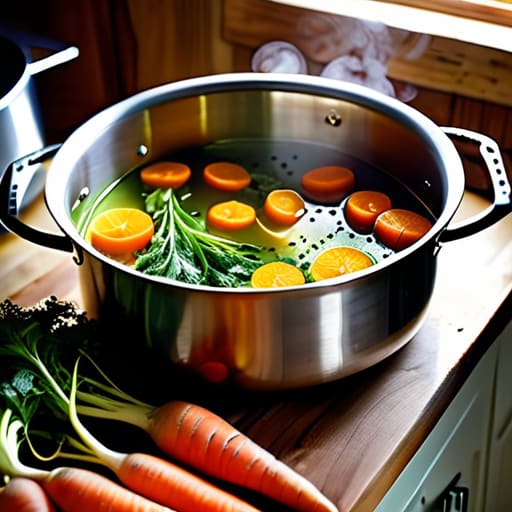
I remember sitting in a drafty site trailer back in ’88, the wind whipping across the Michigan plains, waiting for a lunch that never seemed to arrive. When it finally did, it wasn’t some gourmet, deconstructed masterpiece from a trendy bistro; it was just a heavy ceramic bowl of something warm, salty, and honest. Lately, I see people making a mountain out of a molehill, treating soup basics like some complex chemical equation that requires twenty specialized ingredients and a degree in culinary arts. They spend a fortune on pre-packaged “artisan” broths that taste more like salt water than anything grown in actual soil. It’s a waste of good time and money, and frankly, it misses the whole point of what a good meal should be.
I’m not here to give you a lecture or a list of expensive gadgets you don’t need. Instead, I want to share the simple, steady principles I’ve learned from decades of finding comfort in a bowl. We are going to strip away the pretension and get back to the heart of the matter. I’ll show you how to build real flavor from the ground up, focusing on the patience and the small, quiet details that turn a few humble vegetables into something truly restorative.
Table of Contents
Mastering Mirepoix Base Preparation for Deep Comfort
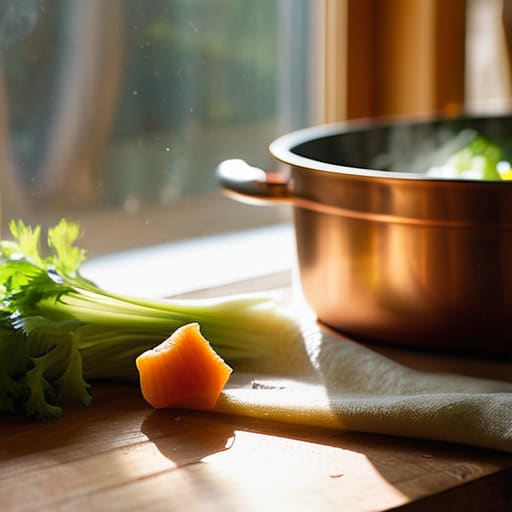
Before you even think about the liquid, you have to start with the foundation. I’ve always believed that the secret to a truly soul-warming bowl lies in the mirepoix base preparation. It’s a simple trinity of onions, carrots, and celery, but it’s where the real magic happens. Don’t just toss them into the pot; take your time. I like to sit by the window with my notebook, chopping them into uniform pieces while the morning light hits the cutting board.
When you get them into the pan, the goal isn’t to sear them, but to coax the sweetness out of them. Use a bit of butter or olive oil and let them soften over a low flame. This is the heart of flavor building in soups. You’ll know you’re on the right track when the kitchen starts to smell like home. It’s a slow, rhythmic process, much like restoring an old Leica lens—you can’t rush the fine details if you want a clear picture in the end. Once those vegetables are translucent and fragrant, you’ve built a foundation that no store-bought carton could ever replicate.
The Gentle Art of Essential Soup Ingredients
Once you’ve got your mirepoix softening in the pot, you start to realize that the real magic lies in the pantry staples waiting in the wings. I’ve learned over the years that you don’t need a shopping cart full of exotic items to make something memorable. It really comes down to understanding the essential soup ingredients that act as the foundation for everything else. A few cloves of smashed garlic, a handful of dried herbs like thyme or bay leaves, and perhaps a splash of something bright like lemon juice or a bit of vinegar at the very end can transform a dish from merely “good” to something that truly sings.
There is also a bit of a learning curve when it comes to the liquid component. I used to think there wasn’t much of a distinction, but I’ve come to appreciate the subtle flavor building in soups that happens when you choose wisely. Whether you opt for a rich, gelatinous stock or a lighter, more seasoning-forward broth, that choice dictates the entire soul of the meal. It’s about choosing the right tool for the job, much like picking the right lens for a landscape shot.
A Few Little Lessons from My Kitchen Counter
- Don’t be afraid to let the broth sit. Sometimes the best flavors don’t show up until the next morning, after the spices have had a chance to settle and get to know one another in the pot.
- Watch your heat like you’d watch a slow-moving river. A violent boil can bruise your vegetables and make a broth cloudy; a gentle, steady simmer is where the real magic happens.
- Keep a bit of acidity in your pantry. If a soup feels heavy or dull, a tiny splash of lemon juice or a drop of vinegar can wake the whole pot up, much like a sudden burst of sunlight through the clouds.
- Salt in stages, not all at once. I’ve learned the hard way that it’s much easier to add a pinch more at the end than it is to fix a pot that’s gone too salty while you were distracted.
- Use the scraps. Those onion skins and herb stems aren’t trash; they’re the foundation. Toss them into your stockpot and let them work their way into something meaningful.
Lessons from the Steam
Patience is your most important ingredient; a soup only reveals its true character once it has had enough time to sit, simmer, and settle.
Don’t be afraid to trust your senses over a timer—watch the color of the vegetables and smell the aroma to know when the base is truly ready.
Keep things simple and let the quality of your staples speak for themselves; you don’t need a pantry full of gadgets when you have a good knife and a steady flame.
## The Soul of the Pot
“A good soup isn’t built on fancy spices or expensive cuts of meat; it’s built in those quiet minutes when you let the onions soften and the broth find its rhythm. It’s about patience, really—learning to wait for the flavors to actually get to know one another.”
Bernard Oyelaran
The Beauty in the Simmer
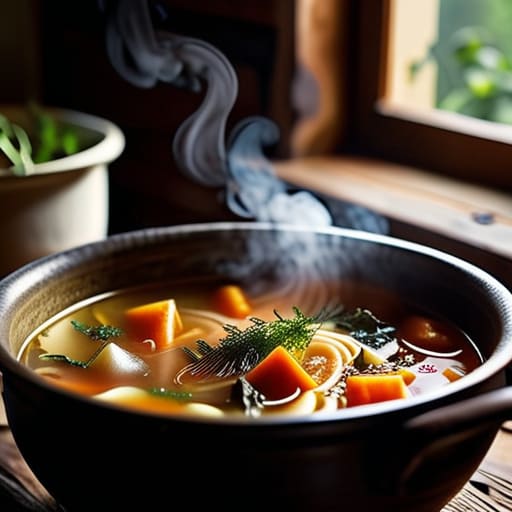
As I sit here at this small wooden table, watching the steam curl from my bowl, I’m reminded that a truly great soup isn’t about complex techniques or expensive, hard-to-find ingredients. It’s about the patience you show to your mirepoix, the quality of the stock you choose to build upon, and the way you allow those simple elements to marry together over time. Whether you are layering flavors with fresh herbs or letting a humble root vegetable soften in a slow broth, you are essentially building a foundation. Once you understand these core basics, you stop following recipes blindly and start listening to the pot, adjusting the seasoning and the heat as the flavors evolve right before your eyes.
At the end of the day, making soup is a lot like my old engineering projects—it requires a steady hand and a respect for the process—but with much more soul. Don’t be discouraged if your first few attempts feel a bit thin or lack that certain something; cooking, much like life, is a practice of refinement. Just keep the heat low, keep your heart open, and remember that the best meals are rarely rushed. Take a spoonful, breathe in the aroma, and simply be present in the warmth of the moment. That, I think, is the most important ingredient of all.
Frequently Asked Questions
How do I know when the broth is truly ready, or should I just trust my instincts?
To be honest, you’ll find that your instincts are usually your best tool. I’ve learned that you can’t time a good broth with a stopwatch. Look for that subtle change in clarity and scent—when the aroma shifts from raw vegetables to something deep, rounded, and soulful. If it tastes like it’s finally “settled” and coats your tongue just a bit, it’s ready. Trust your senses; they don’t need a recipe.
Is there a particular way to store leftover scraps of vegetables so they don't go to waste before my next batch?
I’ve found that a simple freezer bag works wonders. I keep a gallon-sized one tucked in the bottom of my freezer, specifically for those onion skins, carrot ends, and celery hearts. As I’m prepping my meals, I just toss the scraps in there. Once the bag is full, I have a goldmine of flavor ready for my next simmer. It’s a small way to honor the ingredients and keep the kitchen running smoothly.
If I’ve over-salted my pot halfway through, is there a gentle way to balance it out without ruining the texture?
It happens to the best of us—I’ve certainly overdone it while distracted by a good view. Don’t panic; you haven’t ruined it. The simplest way is to add a peeled, halved potato; it acts like a little sponge for the salt as it simmers. If that isn’t enough, try adding a splash of cream or a bit more unsalted stock to dilute the intensity. It’s all about finding that quiet balance again.
