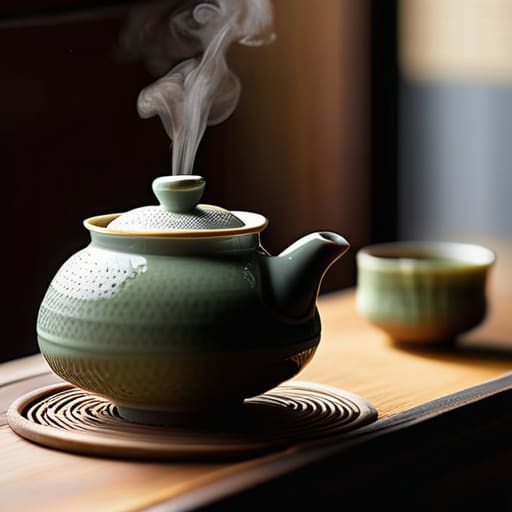
I remember sitting on a dusty job site in northern Michigan back in the late eighties, the wind whipping off the lake and biting through my canvas jacket. My foreman would hand me a thermos of something dark and bitter, and for a few minutes, the roar of the heavy machinery seemed to fade into the background. We didn’t talk about tannins or “flavor profiles” back then; we just shared a moment of warmth. Lately, I’ve noticed that modern discussions about tea culture have become unnecessarily stiff, filled with expensive gadgets and rules that feel more like a lecture than a ritual. It’s gone from a simple, grounding act to something that feels uncomfortably performative, as if you need a degree just to boil water properly.
I’m not here to teach you how to host a formal ceremony or which $50 tin of leaves will change your life. Instead, I want to share what I’ve learned about finding the true essence of tea—the part that actually helps you slow down and breathe. I’ll be sharing some practical, no-nonsense ways to bring a bit of that quietude into your own daily routine, focusing on the simple joy of the steep rather than the status of the cup.
Table of Contents
The Quiet Wisdom of Traditional Tea Rituals
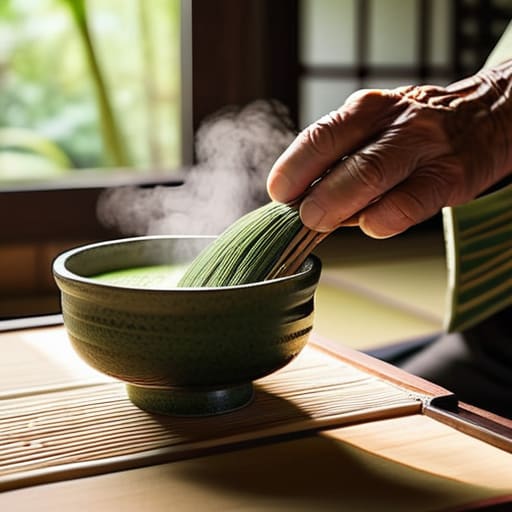
I remember sitting in a small, sun-drenched tea house in Kyoto last autumn, watching an elderly man prepare a bowl of matcha. There was no rush, no frantic checking of watches. He moved with a precision that reminded me of the old drafting days—every motion had a purpose. It wasn’t just about the drink; it was about the intentionality behind it. These traditional tea rituals aren’t meant to be performances for an audience, but rather a way to anchor oneself to the present moment.
When you study the various tea brewing techniques, you realize that temperature and timing are more than just technical specs; they are a way of showing respect to the leaves. Whether it’s the delicate handling of a porcelain cup or the specific way water is poured, there is a profound lesson in the discipline. It teaches us that some things simply cannot be hurried. In our modern world, where everything feels like it’s moving at a breakneck pace, there is a deep, quiet wisdom in learning to wait for the perfect steep.
Tracing the Long History of Tea Consumption
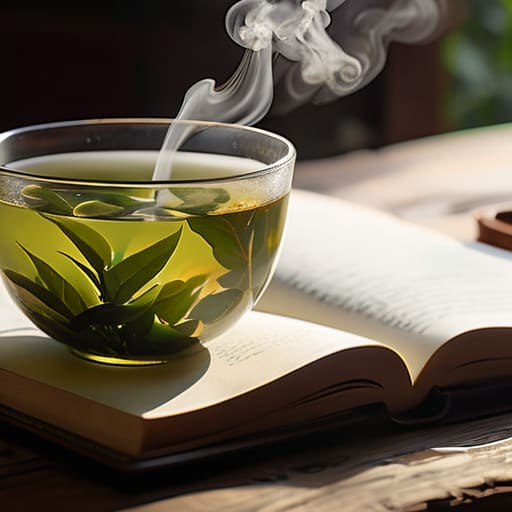
I’ve always found it fascinating how something as simple as a leaf can carry the weight of centuries. When I sit with my notebook, I often think about how the history of tea consumption isn’t just a timeline of trade routes and empires, but a story of human connection. It started, as the legends say, with a stray leaf drifting into a pot of boiling water in ancient China, and from that accidental moment, a global obsession was born. It’s a far cry from the quick tea bags we toss into mugs today; it was once a slow, deliberate process that shaped the very fabric of societies.
As I look through my vintage lenses, I see parallels between the precision of engineering and the evolution of tea brewing techniques. Over time, people didn’t just learn to drink the infusion; they mastered the art of it. From the elaborate tea ceremonies of the East to the bustling tea houses of the West, the way we handle the Camellia sinensis plant has shifted with our changing pace of life. It’s a testament to our need for ritual—a way to anchor ourselves in an ever-changing world.
A Few Small Ways to Find Your Own Rhythm with Tea
- Don’t rush the brew. I’ve learned that if you try to force the water to boil or the leaves to steep faster than they want to, you lose the soul of the thing. Let the timer run; let the steam rise.
- Invest in one decent piece of pottery. It doesn’t need to be an antique, but find a mug or a bowl that feels right in your hands. There’s a tactile comfort in a well-weighted cup that a paper mug just can’t replicate.
- Pay attention to the temperature. I used to think a boiling kettle was the answer to everything, but for many fine teas, that’s a bit like hitting a delicate piece of machinery with a sledgehammer. A little patience with the cooling water goes a long way.
- Make it a solitary ritual at least once a week. Even if it’s just ten minutes in the morning before the world starts shouting, sitting with your tea without a phone or a newspaper helps clear the mental fog.
- Notice the scent before the first sip. There is a subtle, earthy magic in the aroma that escapes if you’re too busy gulping it down. Take a second to just breathe it in—it’s a small, free way to ground yourself.
A Few Things I’ve Learned from the Steam
Tea isn’t just about the drink itself; it’s about the permission it gives us to pause and simply exist without an agenda.
Whether it’s a grand ceremony or a chipped mug in a quiet kitchen, the ritual is found in the intention, not the ceremony.
Taking the time to watch the water boil and the leaves dance is a small, accessible way to reclaim our sense of calm in a hurried world.
## The Smallest Rituals
“I’ve spent most of my life looking at blueprints and concrete, always focused on the grand scale of things, but I’ve learned that real peace is found in the smaller measurements—like the steady steam rising from a ceramic mug and the patience required to let a good brew settle.”
Bernard Oyelaran
A Final Sip of Stillness
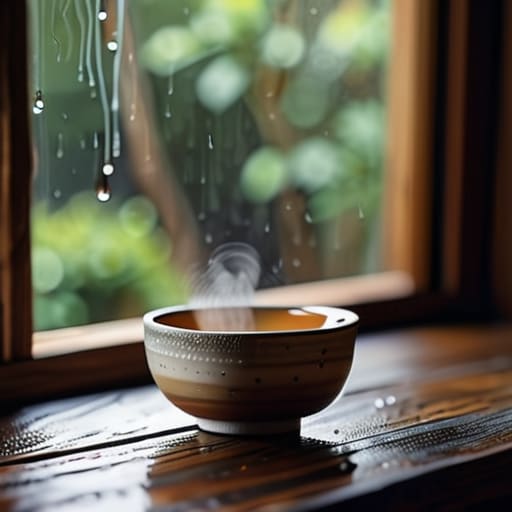
Looking back at where this all began, from the ancient roots of the leaf to the intricate rituals practiced in tea houses across the globe, it is clear that tea is much more than just a beverage. It is a vessel for history and a bridge between cultures. Whether we are discussing the disciplined precision of a formal ceremony or the simple comfort of a well-steeped mug on a rainy afternoon, we are really talking about the art of presence. We have seen how these traditions offer us a way to honor the past while grounding ourselves in the quiet rhythms of the now.
As I sit here in this small café, watching the steam rise from my cup and sketching the light hitting the windowpane, I am reminded that we don’t need grand gestures to find peace. We only need to allow ourselves the grace to pause. So, the next time you find yourself rushing through a busy day, I encourage you to stop. Find a quiet corner, brew a pot of something warm, and let the world spin on without you for a while. After all, the most meaningful parts of life are often found in these small, unhurried spaces between the chaos.
Frequently Asked Questions
Are there any particular types of tea that you find best for those quiet, contemplative afternoons?
For those slow afternoons, I usually find myself reaching for a mellow Oolong or a gentle Chamomile. There’s something about the complexity of a well-aged Oolong that rewards a bit of patience—it doesn’t demand your attention, but invites it. If the day has been particularly heavy, though, I’ll stick to a simple herbal blend. It’s less about the caffeine and more about the warmth of the mug against my palms while I sketch.
Do you have a favorite piece of tea-making equipment, perhaps something old or well-worn, that you swear by?
It’s funny you ask. I have this old, heavy cast-iron teapot I picked up at a flea market in Kyoto years ago. It’s lost some of its original luster, and the handle has a bit of a wobble, but it feels substantial in my hands. There’s something about the weight of it—much like the vintage Leica I restore—that demands you slow down. You can’t rush a heavy pot; you have to respect its rhythm.
How do you manage to find the time for these small rituals when the world seems to be moving so much faster than we are?
It’s a fair question. To be honest, I don’t “find” the time; I have to reclaim it. When I was managing construction sites, I thought time was something you managed with a stopwatch. Now, I realize time is something you protect. I treat my tea ritual like a non-negotiable appointment in my notebook. If I don’t intentionally carve out those fifteen minutes, the world will gladly steal them from me.
