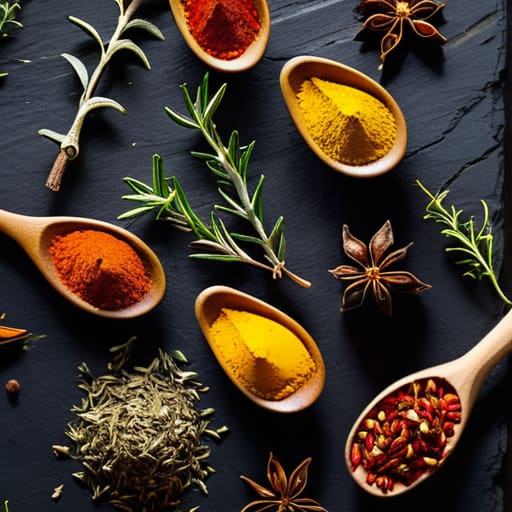
I remember sitting in a small, sun-drenched kitchen in Provence years ago, watching an old woman crush dried thyme between her fingers. There was no fancy gadget, no expensive “gourmet kit” from a high-end department store—just the raw, pungent scent of earth and sun filling the air. It struck me then how much we’ve overcomplicated things. Nowadays, people seem to think you need a chemistry degree or a hundred-dollar spice rack to make a decent meal, but the truth is that spices and herbs aren’t about complexity; they are about connection.
I’m not here to sell you on some overpriced, artisanal blend that promises to change your life overnight. Instead, I want to share what I’ve learned from decades of trial, error, and a fair amount of burnt pots. I’ll show you how to identify the real heavy lifters in your pantry and how to use them with a bit of common sense. My goal is simple: to help you find that quiet, flavorful balance that makes a simple bowl of stew feel like a hard-won reward at the end of a long day.
Table of Contents
Essential Spice Rack Staples for Quiet Evenings
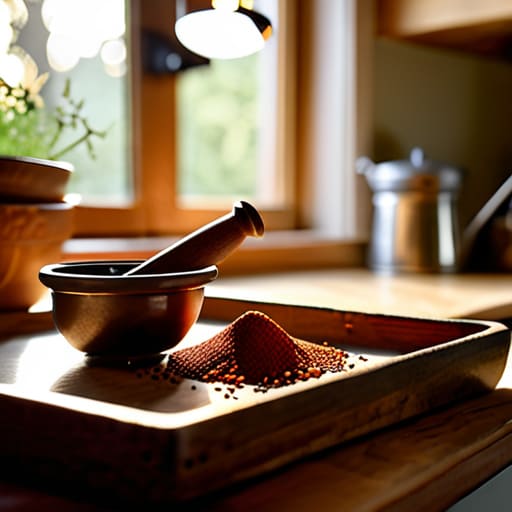
When the sun begins to dip below the horizon and the house grows quiet, I find myself drawn to the kitchen, not for a grand feast, but for something simple and grounding. I keep a few essential spice rack staples within easy reach for these moments. A jar of high-quality smoked paprika and a tin of whole cumin seeds are my constants. There is something deeply meditative about the aromatic cooking properties of these spices; just cracking the lid and letting the scent drift up can signal to my mind that the workday is officially over.
I’ve learned over the years that the debate of dried vs fresh herbs isn’t about which is better, but about when to use them. For a slow-simmering stew on a rainy Tuesday, I rely on the concentrated punch of dried thyme. But if I’m just tossing a bit of lemon and olive oil over some roasted vegetables, I’ll reach for the fresh basil I tucked into the fridge. It’s these small, sensory choices that turn a basic meal into a quiet ritual of intentional living.
Aromatic Cooking Properties That Invite Stillness
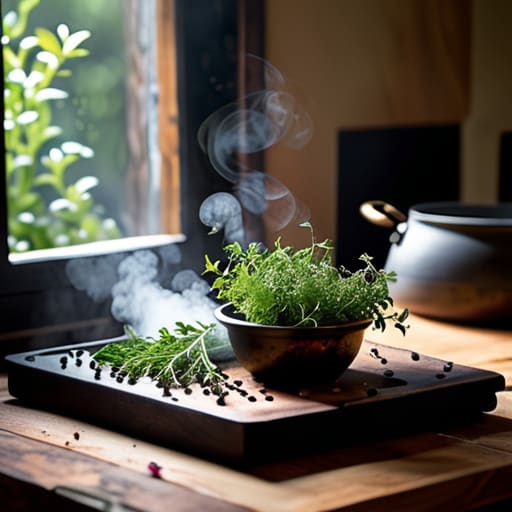
There is a certain kind of magic that happens when you stop treating seasoning as a chore and start seeing it as a sensory experience. When I’m standing over a simmering pot, I try to focus on the aromatic cooking properties that fill the kitchen. It isn’t just about the taste on the tongue; it’s about the way the steam carries a scent that can instantly ground you. I’ve found that the sharp, bright scent of thyme can pull me out of a wandering mind, forcing me back into the present moment, right there in the kitchen.
Understanding the nuances of dried vs fresh herbs is where that quiet connection really begins. A dried bay leaf offers a steady, low-frequency hum of flavor that builds beautifully over an hour of slow cooking, whereas a handful of torn mint or basil provides a sudden, vibrant burst of life. I like to think of it as layering a landscape—one provides the foundation, and the other provides the light. When you learn to respect those different rhythms, cooking stops being a task and becomes a way to find stillness amidst the noise of the day.
Small Rituals to Bring Out the Best in Your Pantry
- Treat your spices like old camera lenses; they need care to perform. Keep your jars away from the heat of the stove and the direct sunlight of the window, or you’ll find that the vibrant oils turn dull and dusty before you even get a chance to use them.
- Don’t be afraid to use your senses before you even turn on the burner. Take a moment to rub a bit of dried thyme between your thumb and forefinger or give a peppercorn a quick crack; if the scent doesn’t reach you, it’s time to replace it.
- Timing is everything, much like the structural integrity of a bridge. Hard spices like cinnamon or cloves can go in early to simmer and build a foundation, but delicate herbs like parsley or basil should be added at the very last second to keep their bright, living character.
- Invest in a decent mortar and pestle. There is a certain, meditative rhythm to grinding whole cumin seeds by hand that a mechanical grinder simply cannot replicate, and the flavor released is far more honest.
- Stop measuring everything with such clinical precision. A pinch of smoked paprika or a handful of rosemary isn’t a math problem to be solved; it’s a conversation between you and the ingredients, and you should adjust as you go.
A Few Small Reminders for Your Kitchen
Don’t feel pressured to stock a hundred different jars; a few reliable, high-quality spices used with intention are worth more than a cluttered cabinet of dust.
Treat the preparation of your herbs as a sensory ritual—crush the leaves, smell the oils, and let the aroma ground you before the heat even touches the pan.
Use spices not just to mask or mask flavors, but to create a sense of place and a moment of quiet reflection in your daily routine.
The Soul in the Jar
A spice isn’t just an ingredient to mask a dull meal; it’s a way to pull a moment out of the rush and hold it still, much like the way a single scent can bring a whole afternoon back to life.
Bernard Oyelaran
The Seasoning of a Life Well-Lived
As I sit here at this small wooden table, looking over my notes, it strikes me how much these little jars of color and scent actually do for us. We’ve talked about the foundational staples that keep a pantry ready for a rainy afternoon and how the specific, aromatic properties of herbs like rosemary or thyme can actually change the very atmosphere of a room. It isn’t just about masking the taste of a mediocre stew; it is about using these small, natural elements to ground ourselves. Whether you are reaching for a pinch of smoked paprika to add depth to a simple meal or bruising fresh mint to brighten a summer tea, you are participating in a quiet ritual of care.
At the end of the day, I hope you don’t view your spice rack as just another chore or a list of ingredients to check off. Instead, try to see it as a collection of tools for mindfulness. The next time you find yourself rushing through a recipe, I encourage you to stop. Lean in, catch the scent of the cumin, and let it remind you that you are exactly where you need to be. Life moves fast enough as it is; there is no need to hurry through the parts that are meant to be tasted.
Frequently Asked Questions
How can I tell if my dried herbs have lost their potency and are just sitting there collecting dust?
I’ve learned the hard way that a spice jar can look perfectly fine while being utterly lifeless. The simplest test is the scent. Take a pinch of that dried thyme and rub it between your fingers; if it doesn’t release a sharp, unmistakable aroma that hits you right in the chest, it’s time to let it go. If it smells like nothing more than dusty paper, it’s just taking up space in your pantry.
Is there a way to use these spices to make simple, everyday meals feel a bit more special without needing a complicated recipe?
You don’t need a culinary degree or a kitchen full of gadgets to make a meal feel significant. I often find that a simple bowl of lentils or a piece of toasted sourdough becomes something more if I just pause. Try blooming a pinch of cumin in a bit of warm oil before adding your vegetables, or finishing a soup with a dusting of smoked paprika. It’s those small, intentional layers that turn a quick bite into a moment.
Do you have any tips for storing them so they keep their scent and flavor for the long haul?
I’ve learned the hard way that a spice cabinet can be a graveyard for flavor if you aren’t careful. Keep your jars away from the heat of the stove and the direct glare of the window; light and steam are the enemies of a good scent. I prefer small glass jars, tucked away in a cool, dark pantry. And please, don’t use those tiny measuring spoons directly over the pot—the steam ruins everything.
