
I remember sitting in a drafty site trailer back in ’88, the wind howling across a half-finished bridge project in northern Michigan. My hands were cracked from the cold, and my head was spinning with structural calculations that just wouldn’t settle. I didn’t need a gourmet meal or some trendy, deconstructed fusion dish to feel human again. All I needed was a heavy ceramic mug of thick, slightly burnt beef stew that my wife had packed in a thermos. That’s the real truth about comfort food: it isn’t about culinary prestige or expensive ingredients. It’s about that sudden, quiet warmth that settles in your chest and tells you that, for a moment, everything is going to be alright.
I’m not here to give you a list of complicated recipes that require a chemistry degree and three hours of prep work. Instead, I want to share the kind of honest, unpretentious wisdom that comes from a life spent appreciating the simple mechanics of a good meal. We’re going to look at the staples that actually nourish the soul, focusing on the textures and flavors that bring us back to ourselves when the world gets a little too loud.
Table of Contents
Nostalgic Meal Ideas That Feel Like a Warm Embrace
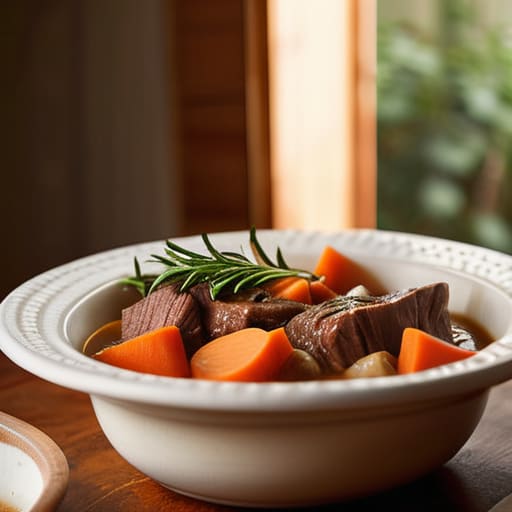
I often find myself thinking back to my mother’s kitchen in Ann Arbor, where the air always seemed to hold a certain weight—the scent of rosemary and slow-simmering beef. There is something deeply grounding about revisiting classic family recipes when the world feels a bit too loud. For me, it’s a bowl of beef stew, the kind that sits on the stove for hours until the carrots are tender enough to melt. It isn’t about the complexity of the technique; it’s about the patience required to let the flavors truly settle into one another.
When I’m traveling and find myself in a new town, I look for those same quiet rhythms. Sometimes, it’s as simple as a tray of roasted root vegetables or a batch of thick, crusty bread shared over a wooden table. These hearty homemade dinners act as a sort of anchor. They remind me that even when we are far from home, we can recreate that sense of safety through the simple, repetitive motions of chopping, stirring, and waiting. It’s a way of tending to the soul one bite at a time.
The Slow Magic Found in Hearty Homemade Dinners
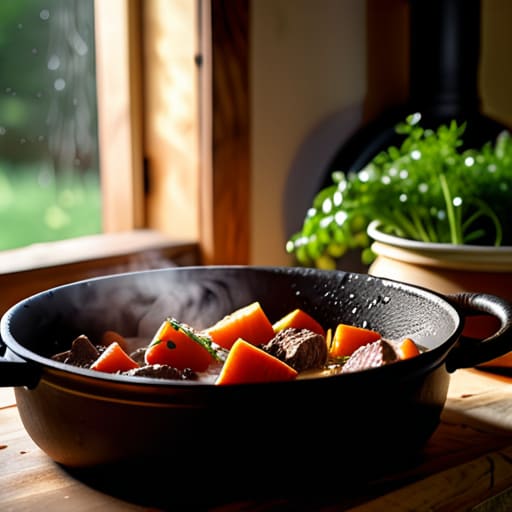
There is a specific kind of rhythm to preparing hearty homemade dinners that you just can’t find in a drive-thru window. It starts with the steady thud of a knife against a wooden cutting board and the rhythmic simmering of a pot on the stove. When I was managing construction sites, everything was about speed and efficiency—hitting deadlines, moving earth, meeting quotas. But lately, I’ve found that the most rewarding work happens when I’m standing in a quiet kitchen, letting a pot of beef stew bubble away for hours. There is a meditative quality to it; as the aromas begin to fill the house, the frantic pace of the day simply seems to dissolve.
I often find myself leaning into these classic family recipes that my mother used to make, the ones that require a bit of patience and a lot of seasoning. It isn’t just about satisfying hunger; it’s about the ritual of it all. Whether I’m layering vegetables for a roast or letting a slow cooker do its quiet work in the background, these meals act as an anchor. They remind me that some things—the best things—simply cannot be rushed.
Small Ways to Bring a Little More Soul to Your Table
- Don’t be afraid to let things simmer. Whether it’s a pot of beans or a slow-cooked ragu, the best flavors—and the best moments—usually require a bit of patience and a lot of time.
- Choose the ingredients that tell a story. I find that using a tomato from the local farmer’s market or a specific spice my mother used makes the meal feel less like fuel and more like a memory.
- Put the phone in another room. It’s hard to truly savor the texture of a crusty loaf of bread or the warmth of a soup when you’re distracted by a glowing screen. Give your meal the respect of your full attention.
- Embrace the imperfections. A slightly burnt edge on a grilled cheese or a mismatched set of ceramic bowls doesn’t ruin a meal; it makes it feel lived-in and real, much like a well-worn camera.
- Cook for the sake of the process, not just the result. There is a quiet, meditative rhythm in chopping vegetables or stirring a pot that can settle a restless mind long before the first bite is even taken.
A Few Thoughts to Carry With You
Don’t worry about the perfection of the recipe; it’s the intention and the slow pace of the cooking that truly seasons the soul.
Use mealtime as an anchor to pull yourself out of the rush of the day and back into the present moment.
Remember that the best comfort often comes from the simplest ingredients, served with a side of quiet reflection.
The Quiet Wisdom of a Full Plate
We often look for comfort in grand gestures or big changes, but I’ve found it’s much more reliable in the steam rising from a bowl of soup or the familiar weight of a heavy ceramic mug; it’s the small, steady flavors that remind us we are home, even when we’re far away.
Bernard Oyelaran
A Final Seat at the Table
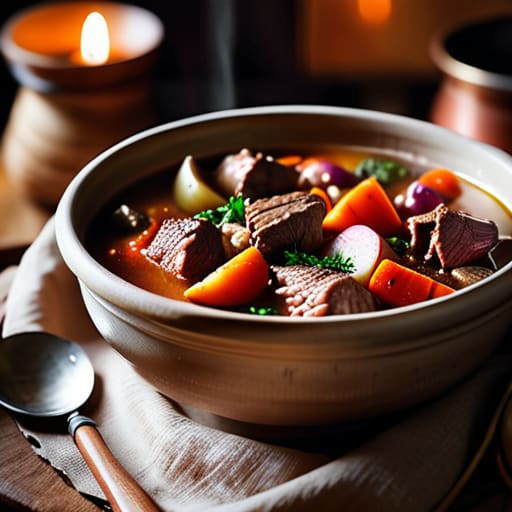
As I look back on everything we’ve discussed—from those nostalgic recipes that transport us back to our childhood kitchens to the quiet, meditative process of simmering a slow-cooked stew—it becomes clear that comfort food is about much more than just calories. It is about the intentionality we bring to the table. Whether it is a dish that tastes like a hug from a grandmother or a hearty meal we labored over on a rainy Tuesday, these foods serve as anchors. They remind us that even when the world feels chaotic and loud, there is a profound, steadying power in the simple act of nourishing ourselves with something made with care.
So, my advice to you is this: don’t wait for a special occasion to seek out that warmth. If you’ve had a long day or a heavy week, don’t just grab something quick and mindless. Instead, find a recipe that speaks to your soul, pull up a chair, and really taste it. Let the steam hit your face and the flavors settle your spirit. Life moves far too fast to rush through our most restorative moments. Take your time, savor the details, and remember that sometimes, the most important work we do is simply slowing down enough to enjoy a good meal.
Frequently Asked Questions
How can I recreate those childhood flavors when I don't have the original family recipes?
It’s a tricky thing, trying to chase a ghost of a flavor. When the recipe card is lost to time, I find it best to start with the senses. I’ll sit in a quiet kitchen and try to remember: was it the sharp tang of rosemary or the heavy sweetness of browned butter? Don’t aim for perfection. Just cook with intention, experiment with small amounts, and let your memory guide your hands. Usually, the heart knows the way.
Is there a way to make these heavier, comforting meals a bit lighter without losing that sense of soul?
It’s a delicate balance, isn’t it? I’ve found that you don’t have to strip the soul out of a dish just to lighten it up. I often swap heavy creams for a bit of Greek yogurt or a splash of vegetable stock, and I’ve learned that roasting vegetables instead of frying them keeps that deep, earthy flavor intact. It’s about adjusting the mechanics, not the heart of the meal.
How do you find the time to cook these slow meals when life starts feeling a bit too rushed?
To be honest, I don’t find the time; I make it. When things get frantic, I treat cooking like a scheduled inspection on a job site—it’s non-negotiable. I’ve learned to embrace the “slow” by prepping a little extra on Sundays, or simply letting a pot simmer while I sit and sketch in my notebook. It’s not another chore on a list; it’s the very thing that stops the clock.
